
75
Sep 11
Tap to Start Live Broadcast
Acoustic Enhanced Speech & Dynamic Visual Stream
A devastating gas explosion in Qatar killed 13 and injured dozens, halting LNG production. This report for Nigerian readers explains how the distant tragedy impacts local gas prices, worker safety, and Nigeria's energy future, urging better safety and economic diversification.
Intro: My fellow Nigerians, when news broke earlier this week about a devastating explosion at Qatar's largest gas facility, the Ras Laffan industrial zone, your initial thought might have been, 'What does that have to do with me, here in Lagos, Kano, or Port Harcourt?' But believe me, in today's interconnected world, especially when it comes to the volatile global energy market, an incident like this, far away in the Middle East, sends ripples that eventually touch our pockets and our daily struggles right here at home. This isn't just a story about a 'technical accident' in a distant land; it’s a stark reminder of the fragile nature of energy infrastructure, the silent sacrifices of migrant workers, and the ever-present threat to our economic stability, a stability already battered by our own challenges.
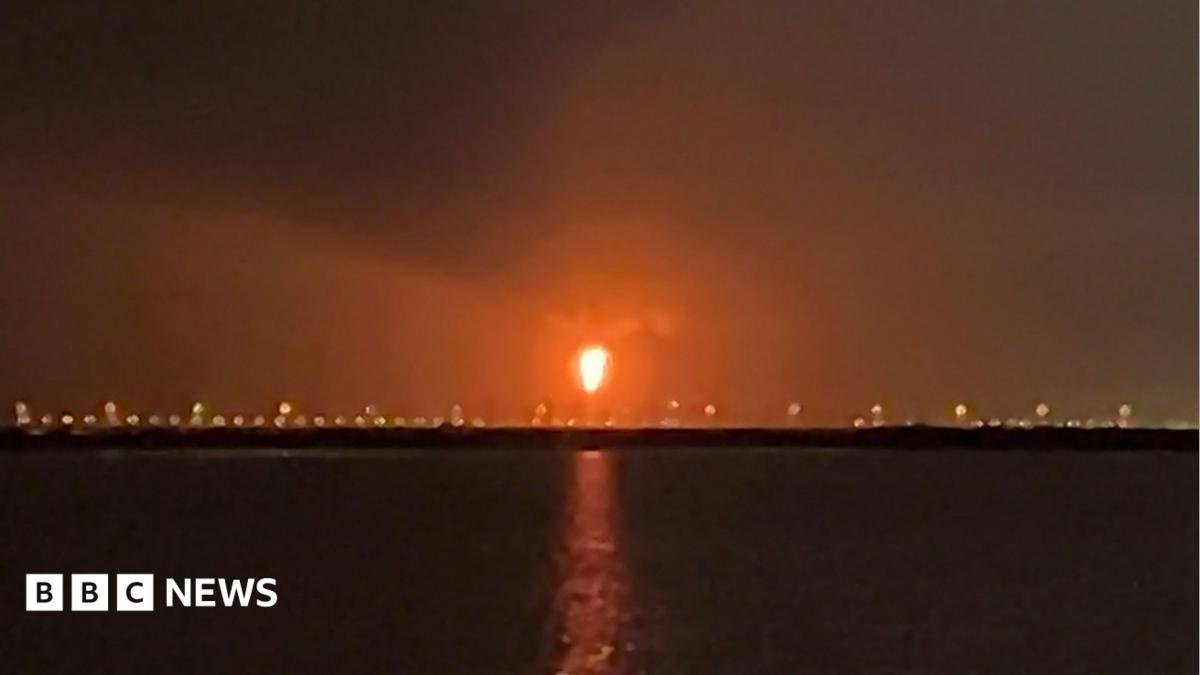
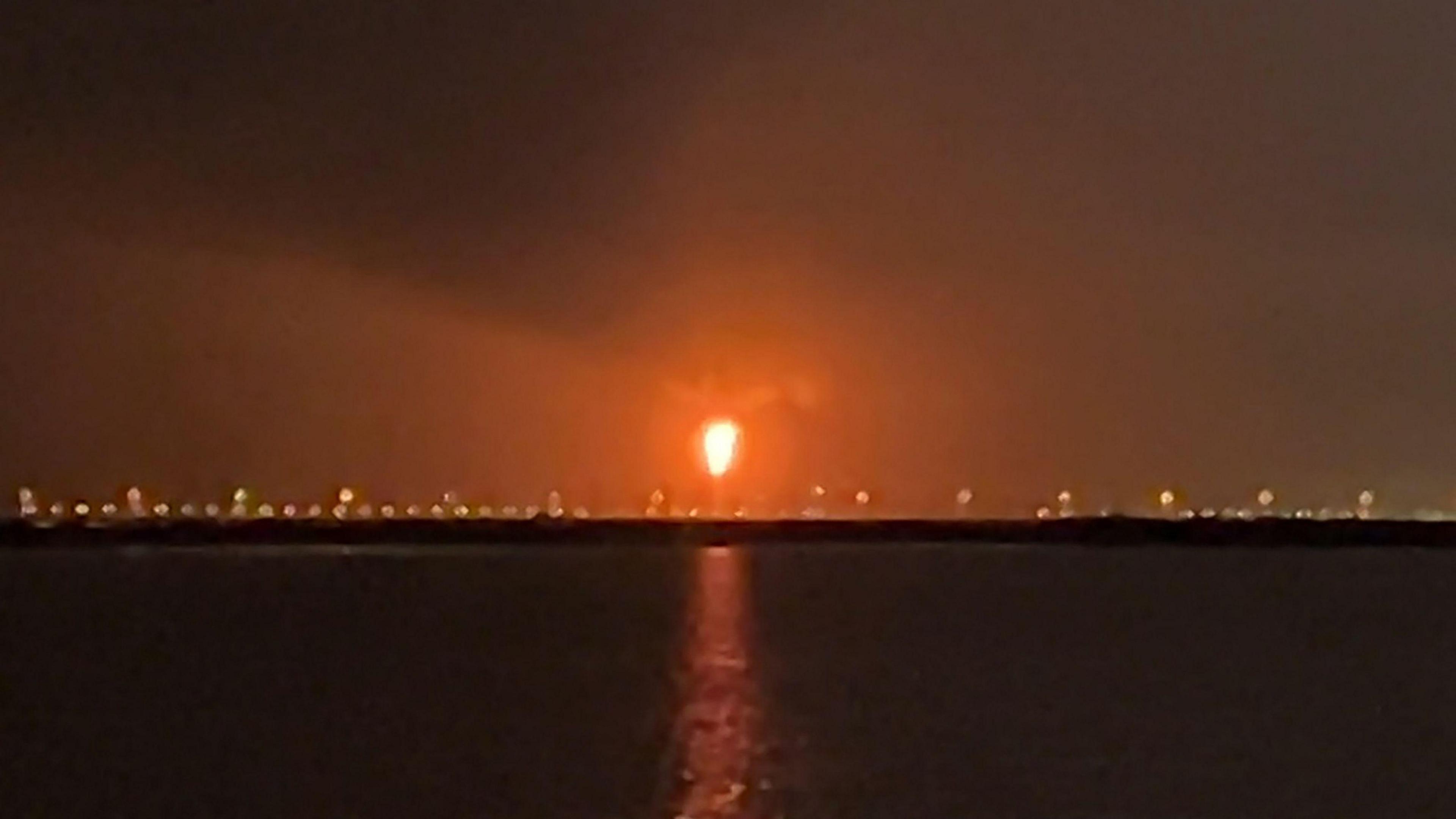
Reports from Qatar confirmed that at least 13 people lost their lives and a staggering 66 were injured following a massive explosion at the Ras Laffan industrial zone on Sunday night. Imagine our own refineries or gas plants, God forbid, suffering such a blow. The city's skyline, we are told, turned an ominous orange because of the explosion. This was not an act of sabotage or hostility, according to Qatar's Energy Minister Saad Sherida al-Kaabi, but rather a 'technical accident' at the Barzan local gas supply facility. However, the impact is undeniable: a halt in operations, an ongoing investigation, and a painful reminder of the human cost. All those confirmed dead were from India and Pakistan, a poignant detail that highlights the plight of migrant workers who power these global energy hubs. The Indian Embassy in Doha has already pledged support to the grieving families. This blast, which rattled windows 70km away in central Doha, came just two days after operations at the facility had restarted, having been intentionally stopped since December 2025 for 'urgent maintenance requirements.' It’s a situation that forces us to look inward and ask: how prepared are we for similar incidents, and what is the true cost of our own energy ambitions?
As Mama Nkechi, a market woman in Onitsha, often says, 'When the wind blows in the desert, dust still settles on our roofs here.'
Now, let’s peel back the layers and understand why this matters deeply to the everyday Nigerian. Firstly, Qatar is not just any oil-rich nation; it is the world's largest exporter of Liquified Natural Gas (LNG). An incident that impacts its primary LNG processing site, especially one reducing output by 12.8 million tons for three to five years, is a monumental blow to global energy supply. For us, this means potential upward pressure on global gas prices. While Nigeria is also an LNG producer, we are also significant importers of refined petroleum products and, increasingly, rely on cooking gas, the prices of which are often dictated by international benchmarks. Any instability in the global gas market will inevitably translate to higher costs at our gas stations and in our kitchens. Secondly, the human element cannot be ignored. The 13 lives lost were migrant workers, individuals who left their homes in search of a better life, much like many of our own youths who venture into the diaspora, including the Gulf states, seeking greener pastures. This tragedy underscores the vulnerabilities and risks associated with such employment – often in hazardous industrial environments, far from family and familiar support systems. It should compel our government to strengthen consular services and advocate for better safety standards for Nigerians working abroad. Thirdly, the article mentions that the Ras Laffan Port suffered 'extensive damage' earlier this year from 'retaliatory strikes' during the US-Israel war with Iran. While the latest explosion was deemed a 'technical accident,' the previous attacks highlight the precarious geopolitical landscape in which these critical energy infrastructures operate. Nigeria, with its own history of pipeline vandalism and attacks on oil facilities in the Niger Delta, understands all too well the devastating impact of such disruptions, whether from external conflict or internal strife. The economic hit from the Iran conflict alone is projected to be long-term for Gulf economies.
Let's bring this home. Imagine for a moment the impact on your daily budget. When global energy prices fluctuate, the cost of everything from transportation to electricity, and most critically, cooking gas, often follows suit. For families already grappling with high inflation, fuel subsidy removal, and a depreciating Naira, any additional upward pressure on these essential commodities is a burden too heavy to bear. Small businesses that rely on stable energy costs for production and logistics will face increased operational expenses, potentially leading to higher prices for consumers or even business closures. Beyond the immediate economic crunch, there's the psychological impact. The news of such an explosion, even far away, can trigger anxieties about safety in our own industrial zones, where safety standards are often a topic of public debate. It makes us think about our sons and daughters who are abroad, working hard, often in challenging conditions. Are they safe? Is their welfare a priority? These are questions that resonate deeply within our communities, especially in a nation like ours where the pursuit of economic opportunity often means taking significant risks, both at home and abroad. This event also casts a long shadow over energy security. Nigeria has ambitious plans to expand its gas sector, leveraging our vast reserves. But incidents like the one in Qatar serve as a powerful cautionary tale about the need for robust infrastructure, stringent safety protocols, and resilient supply chains. A disruption in one major hub can have a domino effect, destabilizing markets and impacting millions of lives far beyond its borders.
| Factor | Qatar (Ras Laffan Explosion) | Nigeria (Typical Gas/Oil Disruptions) |
|---|---|---|
| Primary Cause | 'Technical accident' during restart after maintenance. | Pipeline vandalism, crude oil theft, maintenance delays, industrial disputes. |
| Immediate Impact | 13 deaths, 66 injured, production halt, city skyline turned orange. | Environmental damage, reduced national revenue, fuel scarcity, local economic disruption. |
| Projected Recovery/Loss | Output reduced by 12.8M tons LNG for 3-5 years. | Often prolonged, leading to sustained economic losses and delayed projects. |
| Global Market Effect | Significant upward pressure on global LNG prices. | Contributes to global oil/gas supply instability, impacting our own local prices. |
While causes differ, the ultimate impact on national economies and the daily lives of citizens, particularly regarding energy costs and stability, often bears striking similarities.
So, as journalists, as citizens, what lessons can we draw from this unfortunate event in Qatar? First, there is an urgent need for our government and private sector players in the energy industry to prioritize and enforce the strictest safety standards across all our industrial facilities. We cannot afford to wait for a catastrophe to happen before we take preventive measures. Regular audits, adequate training for personnel, and investment in modern, resilient infrastructure are non-negotiable. Our workers, whether in the Niger Delta or at gas processing plants, deserve to feel safe and protected. Second, we must learn from Qatar's clear communication and swift investigation. When accidents occur, transparency is paramount. The Qatari authorities immediately launched an investigation and provided updates. In Nigeria, there is often a lack of clarity and accountability following industrial incidents, leaving citizens in the dark and eroding public trust. Timely and factual information helps manage public anxiety and facilitates effective response and recovery. Third, our diplomatic missions abroad, particularly in countries with high concentrations of Nigerian migrant workers, must be adequately resourced and proactive in protecting the rights and welfare of our citizens. The rapid response of the Indian Embassy for its citizens in Qatar should serve as a benchmark. Our youth, in their quest for economic betterment, should not become statistics in distant lands due to negligence or lack of support. Finally, this incident underscores the imperative for Nigeria to diversify its economy and reduce its over-reliance on a single commodity – oil and gas. While gas is a critical transition fuel, global market volatility, geopolitical conflicts, and even 'technical accidents' can severely impact national revenue. Investing in other sectors, empowering local industries, and creating sustainable job opportunities at home will insulate us better from such external shocks. The stability of our nation and the well-being of our people depend on it. This is a moment for reflection, for action, and for strengthening our collective resolve to build a safer, more prosperous Nigeria for all.