
110
Jul 20
Tap to Start Live Broadcast
Acoustic Enhanced Speech & Dynamic Visual Stream
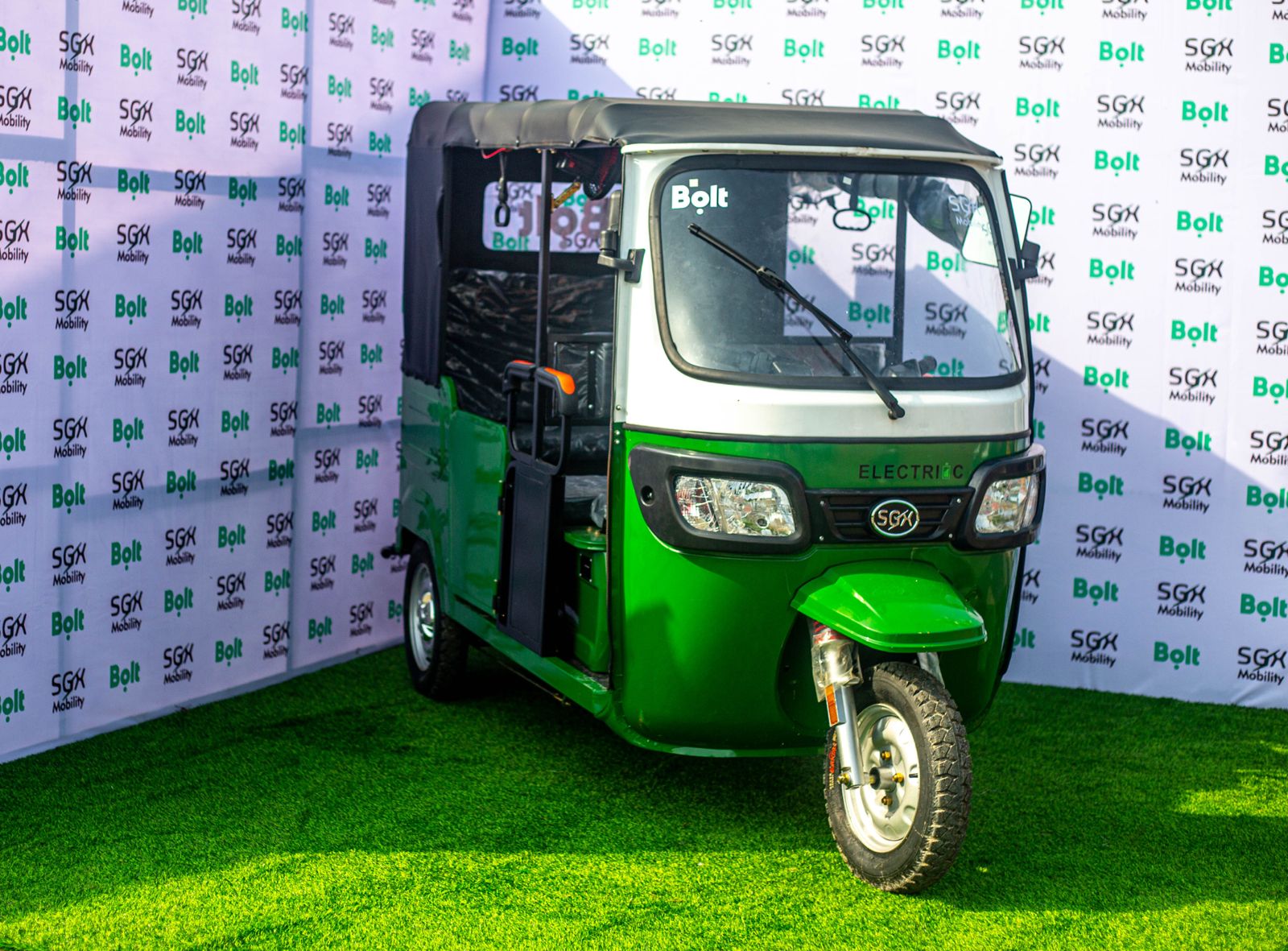
Bolt launched electric tricycles in Lagos in April 2025, expanding its EV footprint. These green kekes offer private, affordable rides (₦2,000) with battery swaps (₦6,500 daily) and a 15% commission for drivers. This builds on Bolt's petrol keke success in Uyo (Jan 2020) and Enugu, impacting Nigeria's EV adoption and urban mobility.
In the vibrant, often chaotic tapestry of Lagos urban mobility, a subtle, yet profound shift is underway. For decades, the ubiquitous yellow 'keke' tricycle has been the undisputed king of short-haul commutes, navigating the city's intricate arteries with a distinctive combustion roar. But an emerald green challenger has emerged, gliding through the bustling streets with an almost revolutionary hush. This is Bolt's electric tricycle, a bold statement in sustainable urban transport, and a testament to the ride-hailing giant's deep understanding of the African market's nuanced demands.
Introduced in Lagos in April 2025, with deployments beginning in May of the same year, Bolt’s electric Keke is more than just a new vehicle category; it's a meticulously crafted response to Nigeria's persistent urban transport challenges. Unlike its petrol-powered counterparts, which are uniformly yellow and open-sided, Bolt's electric three-wheelers arrive in a striking green, boast a noticeably squarer frame, and feature short door panels that firmly enclose passengers, offering a novel sense of privacy and protection from the elements. The most striking difference, however, is the absence of noise – a soft hum replaces the characteristic rattle of petrol engines, signifying a quieter, cleaner future for urban commutes.
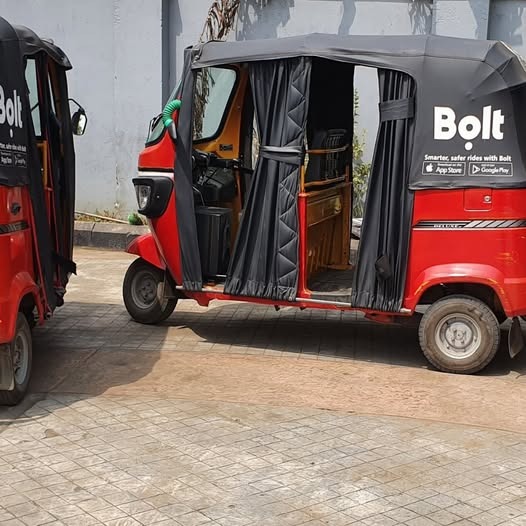
This strategic pivot is rooted in a fundamental insight into how millions of Nigerians move daily. As Weyinmi Aghadiuno, Head of Regulatory & Policy Africa at Bolt, profoundly articulated, “For us, mobility solutions have to be locally relevant. That’s why we began by integrating a transport mode that already exists and plays a significant role in local economies. Tricycles allow us to expand access to affordable mobility for riders while also creating earning opportunities for drivers.” This isn't Bolt's first foray into the tricycle market; the company launched petrol-powered tricycles in Uyo in January 2020, followed by Enugu a few months later, and also operates in Jos. These red-hued petrol models have become integral to everyday transportation in those cities, proving the viability of the tricycle model long before the electric iteration.
The deployment of the electric Keke, initially piloted with 25 units in Gbagada and Bariga areas of Lagos, with plans to scale to 1,000 by the end of 2025, directly addresses the economic pressures faced by drivers. With daily battery swaps costing approximately ₦6,500, drivers can save roughly half the daily fuel expense of a petrol-powered keke. The upfront cost of an electric tricycle is about ₦3.2 million, but Bolt, in partnership with SGX Mobility, offers a lease-to-own model where drivers can make a down payment of ₦208,000 and repay the balance over 18 to 24 months, with weekly payments of ₦32,000 or monthly payments of ₦156,000. Furthermore, electric Keke drivers benefit from a reduced commission rate of just 15%, a significant reduction from the typical 25% charged on standard car rides, further boosting their earning potential.
For riders, the Bolt Keke category offers a compelling blend of affordability and convenience. It sits below standard cab options in pricing; a 1.8km trip costs approximately ₦2,000 ($1.47), compared to ₦4,900 ($3.60) for Bolt Comfort or ₦3,300 ($2.42) for Bolt Basic. Critically, unlike street-side tricycles where shared rides are common, Bolt's Keke offers private trips with a transparent, upfront fare displayed in the app, eliminating the need for haggling. Users like Progress Oghenerume in Uyo and Eberechukwu in Lagos praise this predictability, highlighting the ease of knowing the exact cost of their journey. As of March 2026, the official Naira to USD exchange rate hovers around ₦1,344 to ₦1,387 per dollar, with parallel market rates between ₦1,390 and ₦1,420, making these local fares exceptionally competitive on a global scale.
The geographical limitation of the electric Keke, primarily due to its battery-powered nature and reliance on a designated swap station in Surulere, Lagos, presents an operational challenge. Yet, the early results from the pilot have been promising, with Bolt evaluating opportunities to expand deployment across additional areas of the city. This initiative isn't just about ride-hailing; it aligns with Nigeria's broader push towards electric vehicle adoption, supported by policies like the 2025 Electric Vehicle Bill. The ride-hailing sector is poised to play a pivotal role in this transition, with platforms like Bolt reporting up to 40% savings in operational costs through EV fleets. Bolt's strategic investment in electric tricycles marks a significant step towards a more sustainable, affordable, and efficient urban transport ecosystem in Nigeria and potentially across West Africa, solidifying its position as an innovative leader in the region's evolving mobility landscape.