75
Sep 11

Tap to Start Live Broadcast
Acoustic Enhanced Speech & Dynamic Visual Stream
Iran's closure of the Strait of Hormuz due to Israeli strikes in Lebanon threatens to hike fuel and food prices in Nigeria. This article explores the local impact on daily struggles, youth survival, and calls for urgent governance action.
Intro: Mama Ayo, a seasoned market woman at the bustling Obalende market, sighed deeply as she adjusted a pile of yam tubers. Sweat beaded on her brow, not just from the Lagos sun, but from the constant worry etched onto her face. 'Every day, it's something new,' she lamented, her voice a mix of frustration and weariness. 'Last month it was transport fare eating deep into profits, then the rice prices went crazy. Now, they say there's war brewing far away again, but it's our small businesses and our children's stomachs that will truly feel the fire.'
News reaching us from the Middle East paints a grim, all too familiar picture that carries heavy implications for every Nigerian family. Iran has once again announced the closure of the Strait of Hormuz, a critical maritime artery that is, quite literally, a lifeline for global oil supply. This drastic action comes in direct response to Israeli strikes in Lebanon, which tragically claimed the lives of at least 83 people on Saturday. Tehran views these attacks as a blatant violation of a recently signed US-Iran Memorandum of Understanding (MOU), an agreement that was painstakingly put in place to pause a three-month-long conflict.
For the everyday Nigerian, the geo-political chessboard of the Middle East might seem a world away. However, the closure of the Strait of Hormuz, through which about 20-25% of the world's seaborne oil trade and 20% of global liquefied natural gas (LNG) passes annually, is an immediate cause for alarm. Any significant disruption in this narrow waterway sends shockwaves through international energy markets, inevitably leading to a surge in crude oil prices. And when global crude prices climb, the cost of refined petroleum products—the very petrol that powers our cars, commercial buses, and generators—is not far behind, hitting our shores with brutal efficiency.
"When global powers sneeze, it is the common African, already struggling, who catches the cold. Our resilience is tested daily by issues we have no hand in creating, yet bear the heaviest burden." - A Lagos commuter.
Nigeria, Africa's largest economy and a significant oil producer, finds itself in a paradoxical and perpetually vulnerable position. Despite our abundant crude oil reserves, we remain heavily reliant on imported refined petroleum products, with over 80% of our domestic demand historically met by foreign sources. While the Dangote Refinery has recently made commendable strides, producing enough to meet nearly 90% of Nigeria's daily petrol consumption in May 2026 and significantly reducing our reliance on European imports, the nation's overall energy security remains tenuous. Our state-owned refineries have largely remained non-functional, leaving us exposed to the volatilities of the international market.
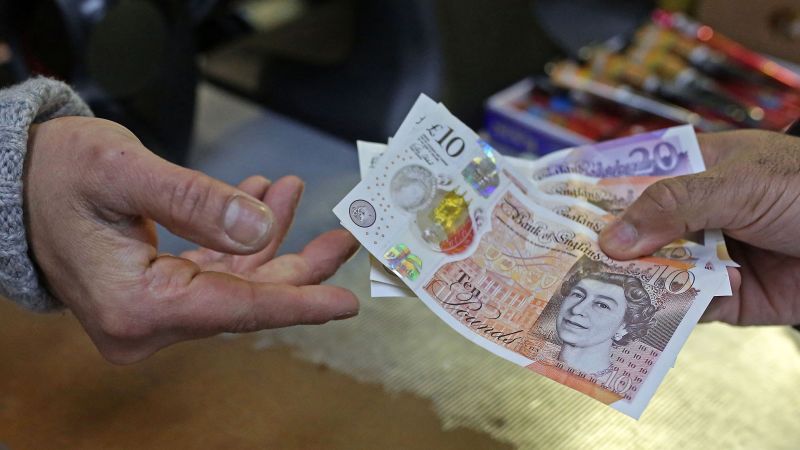
This reliance means that when global oil prices spike due to conflicts like the one in the Middle East, Nigerians feel the pinch almost immediately. Fuel subsidies, once a contentious burden, have been removed, placing the full weight of these price fluctuations directly on consumers. The ripple effect is devastating: higher fuel costs translate directly to increased transportation fares, which then drive up the prices of food and other essential commodities. From farm gates to city markets, the cost of moving goods skyrockets, squeezing household budgets that are already stretched thin.
For millions of Nigerians, this global conflict isn't just a headline; it's a direct assault on their daily survival. Our bustling cities and rural communities are intricately linked to the price of fuel. Commuters, already spending a significant portion of their income on transport, face yet another hike. The 'okada' rider, the 'keke napep' operator, and the bus driver all pass on their increased fuel costs to passengers, leaving less money for food, education, and healthcare.
Market women like Mama Ayo, who painstakingly source goods from distant farms, bear the brunt of escalating transport costs. The price of a 50kg bag of local rice, which saw an average price of N60,000 in many markets in May 2026, had already surged to N112,000 in March 2026 in some areas, driven by previous economic pressures. With renewed global instability, these prices are poised to climb even higher, making staple foods luxuries for many. Youth, already grappling with high unemployment rates and limited opportunities, find their entrepreneurial ventures stifled by prohibitive operating costs, especially for those relying on petrol-powered generators in the face of erratic power supply. The informal sector, the backbone of many livelihoods, becomes even more precarious.
Let's look at how rapidly these costs can shift, reflecting the volatility that distant conflicts bring right to our doorsteps:
| Item | Before Recent Global Tensions (Approx. NGN) | During Recent Conflict Peak (Approx. NGN) | Projected Post-Strait Closure (Approx. NGN) |
|---|---|---|---|
| Petrol (1 Litre) | N830 | N1,300 - N1,371 | N1,400 - N1,500+ |
| 50kg Bag of Local Rice | N60,000 | N112,000 | N120,000 - N130,000+ |
| Average Daily Intra-City Transport (round trip) | N800 - N1,200 | N1,500 - N2,500 | N2,000 - N3,000+ |
This renewed crisis underscores the urgent need for a multi-faceted approach to bolster Nigeria's economic resilience against external shocks. While the Middle East conflict rages, our focus must be on mitigating its local impacts and building a more robust future:
1. Accelerate Local Refining Capacity: The progress made by the Dangote Refinery is a beacon of hope. However, a sustainable solution requires the full rehabilitation and operationalization of all our national refineries. This would drastically reduce our reliance on imported refined products and insulate us from the volatile global market. The government must expedite efforts to bring these facilities online and maintain them efficiently.
2. Diversify the Economy and Energy Mix: A long-term strategy must involve aggressively diversifying our economy beyond oil and investing in renewable energy sources. This lessens our dependence on petroleum, both as a primary revenue generator and as a domestic energy source, thereby reducing exposure to global oil market instability. Promoting gas as an alternative fuel for transportation is also critical.
3. Strengthen Social Safety Nets: The government must implement and expand robust social welfare programs to cushion the most vulnerable segments of the population. Targeted cash transfers, food aid, and support for small and medium-sized enterprises (SMEs) can help families and businesses weather these economic storms.
4. Foster Inter-African Cooperation: Nigeria, as a regional leader, should champion stronger economic and energy security cooperation within Africa. By building resilient regional supply chains, sharing best practices in energy management, and fostering intra-African trade, we can collectively reduce our dependence on external forces and create a more stable continent. This could include shared refining capacity, regional power grids, and coordinated food security initiatives.
5. Engage in Proactive Diplomacy: While Nigeria cannot directly control events in the Middle East, our government can and should continue to engage in robust international diplomacy. Advocating for peace, stability, and adherence to international agreements in global forums is crucial. Africa's voice must be heard in calling for an end to conflicts that have disproportionate impacts on its citizens.
The closure of the Strait of Hormuz is a stark reminder that in our interconnected world, no nation is an island. For Nigerians, this distant conflict translates into higher prices, tougher choices, and an intensified struggle for survival. It is a moment for our leadership to act decisively, and for all Nigerians to embrace resilience and solidarity, as we navigate these turbulent global waters.