103
Jul 19

Tap to Start Live Broadcast
Acoustic Enhanced Speech & Dynamic Visual Stream
As the 2026 World Cup captivates global audiences, Nigeria grapples with escalating living costs, high youth unemployment, and the Super Eagles' absence from the tournament. This article examines the daily struggles of Nigerians amidst economic hardships and calls for improved governance, youth development, and football infrastructure.
Intro: As the world tunes in to the grandeur of the 2026 FIFA World Cup, with nations like Spain battling newcomers Cape Verde on the global stage, many Nigerians find themselves wrestling with a different kind of match – the daily struggle for survival. While the airwaves buzz with predictions and highlights, our streets echo with the realities of rising costs, dwindling opportunities, and a burning question: when will Nigeria's own 'beautiful game' of governance and development yield wins for its citizens?
This Monday, four more exciting matches unfold across the United States in the World Cup group stage. Spain, a traditional powerhouse, kicks off their campaign against Cape Verde, a nation making history with its first-ever World Cup appearance. Belgium takes on Egypt, Saudi Arabia battles Uruguay, and Iran meets New Zealand. These fixtures promise drama and excitement, showcasing the pinnacle of global football talent and the dreams of nations.
For many across our continent, especially in smaller nations like Cape Verde, merely reaching this stage is a monumental achievement, a testament to perseverance against odds. It's a reminder of what African nations can achieve with dedication and focused development. However, for us in Nigeria, a proud footballing nation with a rich history, the 2026 World Cup feels different. We are spectators, not participants. The Super Eagles, despite boasting an array of European-based talent, failed to qualify for this expanded 48-team tournament, a bitter pill to swallow for millions of passionate fans. This marks Nigeria's second consecutive absence from the World Cup, a stark contrast to our past glory, including our memorable 3-2 victory over Spain in the 1998 World Cup group stage, where Sunday Oliseh scored a famous long-range winner.
"While the world watches football, we are left wondering why our own pitch remains waterlogged with unfulfilled promises and economic hardship." - A concerned Nigerian youth.
Nigeria's absence from the 2026 World Cup is more than just a sporting disappointment; it's a reflection of deeper systemic issues. Analysts point to a cycle of coaching instability, tactical inconsistency, and administrative distractions within the Nigeria Football Federation (NFF) as key reasons for the Super Eagles' failure to qualify. Our national teams, even at the youth level, have struggled, impacting the pipeline of talent for the senior squad. This lack of a sustainable football development pathway, often marred by political considerations and alleged corruption, means raw talent often goes unharnessed or is forced abroad, enriching other leagues while our local structures decay.
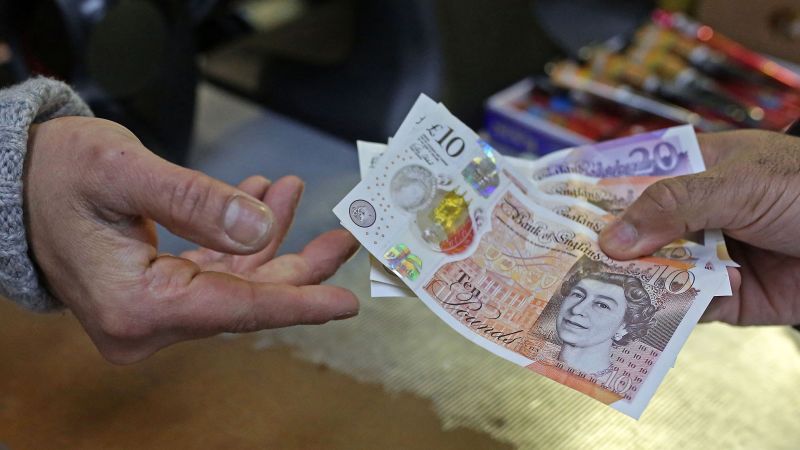
But the 'main game' for many Nigerians isn't just about football; it's about the daily battle against a soaring cost of living. Nigeria has faced persistent inflationary pressures, with the headline inflation rate reaching 34.2 percent in June 2024, a 28-year high. Food inflation, a critical concern for every household, rose even higher to 40.9 percent year-on-year in June 2024. The removal of fuel subsidies in 2023 caused petrol prices to surge by over 211 percent between May 2023 and May 2024, directly impacting transportation and the cost of virtually all goods and services.
For the everyday Nigerian, these economic realities hit harder than any missed goal. The increased electricity tariffs, particularly for Band A customers who are supposed to receive at least 20 hours of power (but often get much less), mean that households and businesses are spending significantly more for often unreliable service. A study revealed Band A households' monthly electricity expenditure almost doubled, rising by 98 percent, while firms now spend 82 percent of their monthly turnover on production costs, largely due to electricity. This directly impacts small and medium-sized enterprises (SMEs), the backbone of our economy, forcing many to either hike prices or shut down, further fueling unemployment.
Youth survival, a constant concern, is exacerbated. While official figures claim youth unemployment at 8.4% for Q1 2024, many experts argue these statistics don't capture the full reality, with closer to a quarter of young people actively seeking work. The dreams of many aspiring footballers, who see the international stage as a way out of poverty, are often dashed by dilapidated local facilities, corrupt selection processes, and a lack of investment in grassroots development. The excitement of the World Cup, a global festival of talent, becomes a poignant reminder of missed opportunities at home.
Consider this snapshot of daily realities:
| Item | Average Cost (NGN) | Significance |
|---|---|---|
| 50kg Bag of Cement | ₦9,000 - ₦12,000 | Basic building material; indicator of construction costs & housing affordability. |
| 1 Litre of Petrol | ₦650 - ₦750 | Fuel for transport, generators; impacts business & household expenses. |
| Basic Monthly Data Plan | ₦3,000 - ₦5,000 | Access to information, communication, and digital opportunities. |
| Quality Football Boot | ₦25,000 - ₦70,000+ | Essential equipment for aspiring professional footballers. |
| Average Monthly Income (Youth, informal sector) | ₦30,000 - ₦60,000 | Survival income; highlights disparity in affording essentials vs. dreams. |
Note: Costs are approximate and subject to market fluctuations.
This chart starkly illustrates the disparity between the cost of essentials for survival and the investment needed to pursue a dream, even in a sport where Nigeria has historically excelled. The burden on households, particularly low-income earners, is immense, forcing them to cut back on discretionary spending and even essential items. The hope that football once offered as a unifying force and an escape is now overshadowed by a pervasive sense of economic anxiety and a questioning of national priorities.
For Nigeria to truly participate in the global arena, both on and off the football pitch, we must address the fundamental governance and economic challenges at home. First, the leadership of our football federations needs a radical overhaul, prioritizing transparency, accountability, and long-term development plans over short-term gains and political maneuvering. Investment must be channeled into grassroots football, modernizing facilities, training quality coaches, and creating a clear, uncorrupted pathway for young talent to flourish.
Economically, the government must implement targeted policies to cushion the impact of reforms like subsidy removal, providing palliatives and welfare-enhancing initiatives for vulnerable citizens. Stabilizing the naira and tackling inflation, especially food inflation, should be paramount, requiring a concerted effort across fiscal and monetary policies. Addressing the chronic power sector challenges, ensuring consistent electricity supply at affordable rates, is crucial for both households and businesses.
Ultimately, the World Cup is a spectacle that unites the world, but its true spirit of competition and aspiration should also inspire us to fix our own house. Let us not just celebrate distant victories or lament our absence, but demand and work towards a Nigeria where every citizen, especially our vibrant youth, has the opportunity to thrive, where dreams are nurtured, and where the 'game' of life is played on a level field. It is only then that our national pride will truly soar, reflecting not just past glories, but a promising and prosperous present.