
110
Jul 19
Tap to Start Live Broadcast
Acoustic Enhanced Speech & Dynamic Visual Stream
A Super Eagles AFCON loss sparks national reflection on Nigeria's economic struggles, youth unemployment, and the critical need for better governance and opportunities beyond sports.
Intro: The final whistle blew, and with it, a collective sigh escaped millions of Nigerian throats. It wasn't just the end of a football match; it felt like the crushing of another fragile hope in a nation perpetually yearning for good news. From the bustling markets of Lagos to the quiet villages of the North, the mood shifted. A Super Eagles defeat in a crucial AFCON semi-final isn't just a game lost; it's a mirror reflecting the deeper anxieties, the daily grind, and the yearning for a better life that defines the everyday Nigerian struggle. When our boys fell to Ghana, our West African rivals, the immediate pain wasn't merely about bragging rights; it was about the brief escape football offers from a reality often too harsh to bear.
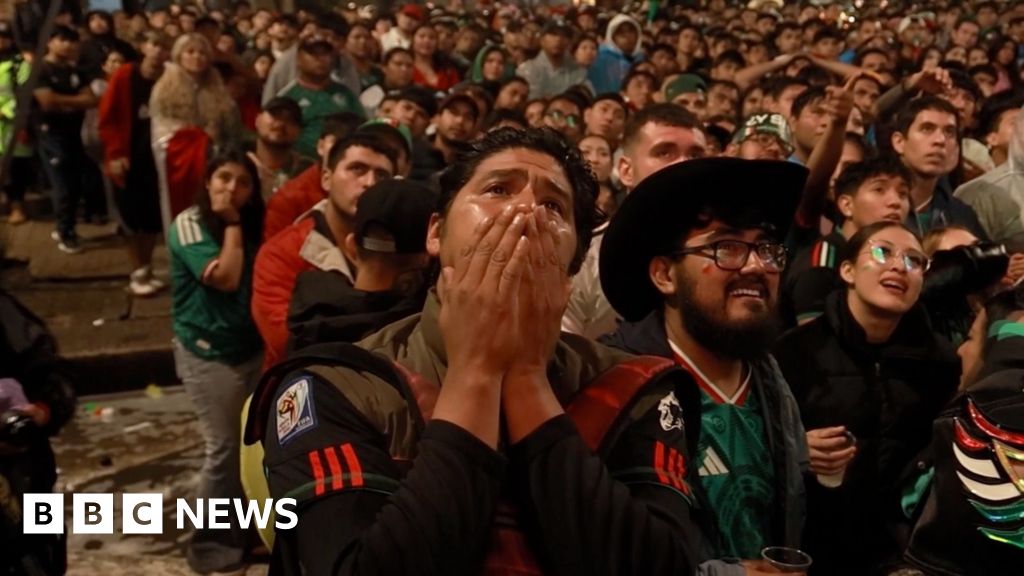
Just last Saturday, the nation held its breath. The Super Eagles, against all odds and despite the usual administrative hiccups, had fought their way to the semi-finals of the Africa Cup of Nations. Hope, a currency often in short supply, surged through the veins of every Nigerian. The match against Ghana, our perennial rivals, wasn't just a game; it was a national event, a moment of unity, a chance to forget the biting inflation, the incessant power cuts, and the worry of tomorrow's meal. From makeshift viewing centers under tarpaulins to crowded living rooms, every eye was glued to the screen. When the referee signaled full-time, confirming our 2-1 loss, a hush fell over the land, quickly followed by murmurs of disappointment, frustration, and a familiar sense of 'what if.' It was a particularly painful exit, especially after the team had shown so much promise, reaching this stage after years of mixed performances. For many, this was the farthest our team had realistically been expected to go, and to fall just short felt like a cruel twist of fate, echoing many other unfulfilled national aspirations.
'E pain me pass when NEPA carry light,' lamented Emeka, a phone repairer in Computer Village, wiping sweat from his brow. 'At least light go come back. This one, hope just disappear. Na only football fit make us forget our problems small, small.'
This isn't just about football; it's about the very fabric of Nigerian society. The outpouring of grief and frustration following the Super Eagles' exit highlights how deeply intertwined national pride, economic realities, and governance are. For years, sports, particularly football, has served as a powerful unifier, a source of collective joy that transcends ethnic and religious divides. But when that joy is snatched away, it leaves a void that quickly fills with the underlying anxieties of daily life. The average Nigerian is battling soaring food prices, the lingering effects of subsidy removal, widespread unemployment, and a healthcare system that struggles to meet basic needs. Many youths, in particular, see success in sports or entertainment as one of the few viable pathways to escape poverty, given the scarcity of opportunities in traditional sectors. When even that glimmer of hope dims, the sense of disillusionment deepens. It points to a broader challenge: a governance reality where crucial sectors like youth development, sports infrastructure, and economic stability are often underfunded or mismanaged. While emotions run high after a loss, it is also a moment for sober reflection on what truly supports a nation's spirit and future.
The day after the match, a palpable somberness hung over the nation. Street hawkers reported slower sales, conversations were more subdued, and the usual boisterous energy seemed to dim. For businesses, a national football victory often translates to increased sales of celebratory items, drinks, and food. A loss, however, can contribute to a general slowdown in discretionary spending, as people tighten their belts, literally and figuratively. Parents worry more about school fees; young graduates feel the weight of joblessness more acutely. This emotional dip isn't just psychological; it has subtle but real economic ripples. The hope that football provides is more than just entertainment; it's a vital psychological buffer against hardship. When that buffer is weakened, the daily struggles – the price of garri, the cost of transportation, the search for a steady income – feel even heavier. The collective grief over a game illustrates how much Nigerians invest emotionally in symbols of national success, precisely because everyday life presents so many battles.
Here's a look at how some key aspirations clash with current realities:
While we mourn our football loss, it's crucial to channel this collective emotion into productive discourse. The disappointment should serve as a wake-up call, not just for the sports federations, but for all levels of governance. We need a holistic approach that recognizes sports as a critical component of youth development, but not the only one. Investing in grassroots sports, providing adequate funding, and ensuring transparent administration are paramount. But more importantly, we must address the foundational issues that make football such a potent, yet fragile, source of hope. This means creating sustainable economic opportunities for our teeming youth, strengthening our educational institutions, providing accessible healthcare, and fostering an environment where small and medium-sized enterprises can thrive. When basic needs are met, and futures are secure, the sting of a football loss, while still painful, will not carry the same overwhelming weight of dashed dreams. We must move beyond merely celebrating victories or lamenting losses; we must build a nation where every young Nigerian has multiple pathways to success, where resilience is built not just on hope, but on tangible progress and genuine opportunity. Only then can we ensure that our national spirit remains buoyant, regardless of the scoreboard.