91
Jul 07
Tap to Start Live Broadcast
Acoustic Enhanced Speech & Dynamic Visual Stream
A former American President is facing serious charges. We break down what this global news means for Nigerians, from governance and daily struggles to the fight for justice and youth survival.
Intro: Walk through any bustling market in Lagos, from Oshodi to Balogun, and you'll hear the vibrant hum of survival. Every kobo counts, every struggle is real, and the talk often shifts from the price of tomatoes to the latest political drama – both local and, sometimes surprisingly, international. But what if I told you that a legal storm brewing thousands of miles away, involving a former American President, Donald Trump, has more to do with your daily grind, your hopes for a better Nigeria, and the very idea of justice in our land than you might think? It’s not just 'oyinbo news'; it's a mirror reflecting our own governance realities.
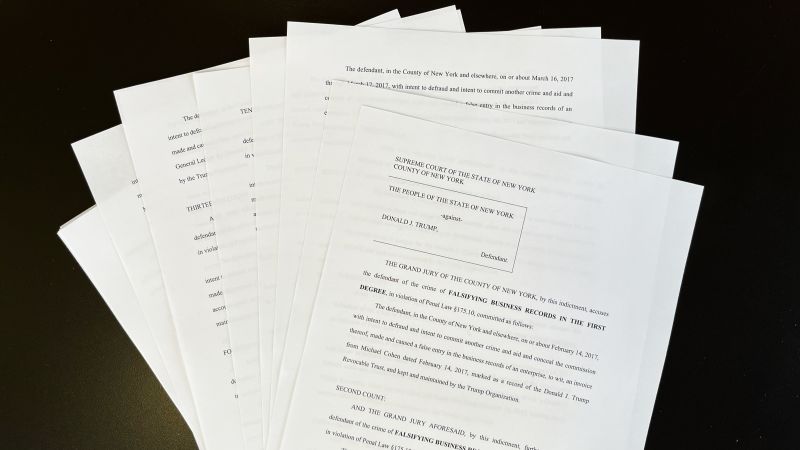
Just recently, news broke across the globe: Donald Trump, a man who once held the most powerful office in the world, was charged with 34 felony counts in an indictment unsealed in the US. These charges are related to 'hush money' payments – a scandal involving allegations of falsifying business records to conceal a payment made during his 2016 presidential campaign. Now, imagine that for a moment. A former head of state, paraded and processed through the legal system, facing the music like any other citizen. The images, the headlines, the sheer audacity of the legal system pursuing a figure of such immense power – it's a stark contrast to what many Nigerians have grown accustomed to, isn't it? Here, the cry for accountability often feels like a whisper lost in a whirlwind. We've seen countless reports, commissions, and investigations into public funds, alleged corrupt dealings, and breaches of public trust. Yet, the path to justice, especially when it involves the powerful, often appears long, winding, and sometimes, frustratingly invisible. This international development, however, offers a moment for reflection: what does it say about societies where even the highest office is not above the law?
“Justice in a society is like the air we breathe – when it’s clean, we barely notice it, but when it’s polluted, it chokes us all.” – A common refrain heard in Lagos traffic debates.
This isn't just about Trump; it's about the principle of the rule of law. It's about whether anyone, no matter how influential, is truly held accountable. In Nigeria, the fight for good governance is a daily battle. We constantly grapple with issues of corruption, lack of transparency, and the perceived impunity of political elites. When a foreign leader faces charges, it inevitably sparks conversations about our own challenges. Why does it seem harder here to bring powerful individuals to book? Is it the weakness of our institutions, political interference, or a deep-seated cultural tolerance for certain misdeeds? This news from America, while distant, fuels the fire of debate among civil society groups, human rights activists, and especially our vibrant youth, who are increasingly demanding better from their leaders.
Consider the broader African context. Nations like South Africa, Ghana, and Kenya, our continental neighbours, also wrestle with similar demons of corruption and accountability. When leaders in one country are seen to be above the law, it sets a dangerous precedent, weakening democratic institutions across the continent. Conversely, a strong example of justice, even from afar, can inspire and embolden those fighting for integrity within their own borders. The implications ripple across our shared destiny, affecting investor confidence, international aid, and the very perception of African governance on the global stage. If the world sees leaders held accountable elsewhere, it raises expectations for our own.
Now, you might be wondering, 'All this talk about America, how does it affect my everyday struggle?' It's a valid question, and the answer is more direct than you might imagine. When global superpowers demonstrate strong adherence to the rule of law and accountability, it signals stability. Stability attracts foreign investment. Foreign investment creates jobs, stimulates our economy, and can help alleviate the daily pressures of making ends meet. Conversely, if our own governance systems are perceived as weak or prone to corruption, it deters investors, stifles growth, and directly impacts your pocket.
Imagine a young graduate, bursting with potential but struggling to find a decent job. Or a market woman, watching her capital dwindle because of fluctuating prices and an unstable economy. These daily struggles are often exacerbated by a lack of trust in our systems. When our leaders are perceived as unaccountable, it erodes public trust, discourages civic participation, and makes it harder to address pressing issues like inflation, poverty, and unemployment. The energy and resources spent debating judicial integrity could be channeled into vital infrastructure, education, and healthcare.
Look at how prices change when there's instability. The cost of living in Nigeria is, on average, significantly lower than in the United States, yet the local struggle is often more acute due to wage disparities and high inflation. For instance, staple food prices in Nigeria have seen increases of over 100% in a single year for items like beans, rice, and yam.
| Item/Index | Nigeria (2024/2025 Est.) | USA (2024/2025 Est.) |
|---|---|---|
| Minimum Wage (Monthly) | ₦70,000 (~$40-$50 USD) | ~$1,250 - $2,900 USD (at $7.25-$17.95/hr) |
| Cost of Basic Food Basket (Monthly for household of 5) | ~₦214,442 (~$140-$170 USD) | ~$831 - $1,003 USD (for a household) |
| Youth Unemployment Rate (15-24 years) | 5.34% - 8.4% (Q1 2024-2025, but controversial changes in methodology; experts suggest much higher) | 9.8% - 10.8% (July-Aug 2024-2025) |
This simple comparison shows the stark realities. While the actual numbers fluctuate, the disparity underscores the monumental challenge our youth face. A strong and accountable government is not a luxury; it's a necessity for economic stability and, ultimately, for every Nigerian to thrive.
So, what can we, the everyday Nigerians, do? The lesson from across the seas isn't just about watching the drama unfold; it's about drawing strength and inspiration.
Firstly, we must continue to demand accountability from our own leaders, at every level of government. From local councils to state houses and Abuja, transparency and integrity should not be optional. Our voices, when united, are powerful.
Secondly, we need to strengthen our institutions. This means supporting efforts to empower our judiciary, our anti-corruption agencies, and our electoral bodies to operate without fear or favour. An independent judiciary is the bedrock of any truly democratic society.
Thirdly, our youth are not just the future; they are the vibrant, critical present. Engaging in civic education, demanding good governance through peaceful activism, and holding leaders’ feet to the fire through every available democratic means are crucial. The energy seen during movements like #EndSARS proves the power of a mobilised youth. It is imperative that the government addresses the genuine concerns of youth regarding jobs and the cost of living, which remain major barriers to their survival and contribution to national development.
Finally, we must cultivate a culture of integrity, starting from our homes, schools, and communities. If we expect our leaders to be exemplary, we must also reflect those values in our daily lives.
The world watches when powerful individuals are brought to justice. It's a reminder that no one is truly above the law, and it should invigorate our resolve to build a Nigeria where justice is not just a slogan, but a lived reality for every single citizen. Let us use these global moments as fuel for our local fight for a better, more accountable nation.