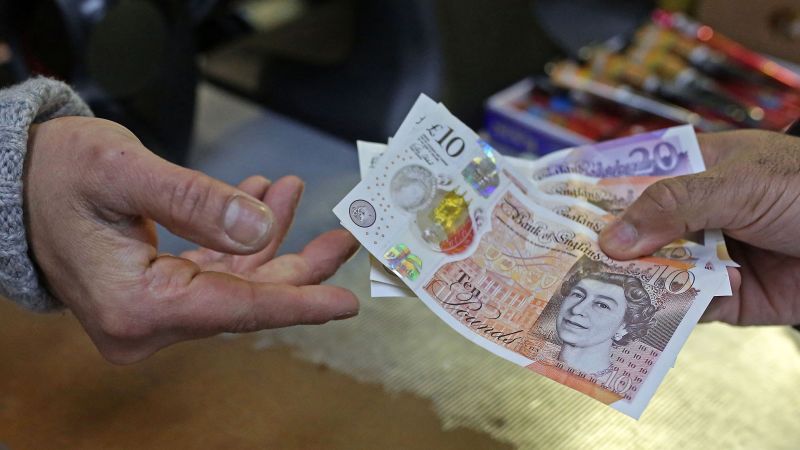
Intro: Fellow Nigerians, we all feel it. That gnawing pinch in our pockets, the constant worry about the price of everything, from a bag of rice to school fees. While we grapple with local challenges, a silent, powerful force often dictates how much our hard-earned Naira can buy: the dance of global currencies. Today, we turn our gaze to the British Pound Sterling, which, according to international market reports, is having quite a triumphant year, beating out other major currencies. But what does London's triumph mean for daily survival here in Lagos, Kano, Port Harcourt, and every corner of our great nation?
What Is Happening on the Ground
Remember late 2022? The British Pound was in a deep slump, hitting a record low against the US dollar. This was largely due to controversial budget plans unveiled by then-Prime Minister Liz Truss, which sent jitters through global financial markets. Fast forward to now, and the story has completely flipped. The Pound has not just recovered; it's soaring. It recently touched its highest level against the US dollar in 10 months, breaching the $1.25 mark for the first time since June 2022. In fact, reports indicate the Pound is the best-performing currency among developed economies this year, gaining significantly against the greenback.
This impressive comeback isn't magic. It's built on a few key factors: the UK economy is showing unexpected resilience, performing better than initially projected. Economic activity expanded slightly in the final months of last year, defying earlier forecasts of no growth at all. This newfound strength is bolstering expectations that the Bank of England will continue its aggressive interest rate hikes. Why does this matter? Higher interest rates often attract foreign investors looking for better returns, which in turn strengthens the local currency. With inflation in the United Kingdom still elevated, the Bank of England is under pressure to maintain its tough monetary stance, further supporting the Pound's rally.
‘Every time these big currencies sneeze, our Naira catches a cold. It’s like we’re always playing catch-up, and it’s our daily bread that suffers.’ — A market woman in Ojota, Lagos.
The Main Issues
For us in Nigeria, a strong British Pound, coupled with our Naira's own struggles, creates a challenging economic environment. Our economy, despite recent efforts towards diversification, remains heavily reliant on imports. From essential pharmaceuticals and machinery to electronics and even some food items, a significant portion of what we consume and use daily comes from abroad. When the Pound strengthens against the Naira, these imported goods become significantly more expensive in local currency terms. This isn't just about luxury items; it impacts the cost of crucial inputs for our local industries, driving up production costs and, ultimately, consumer prices.
Consider the cost of education. For many Nigerian families, sending their children to the United Kingdom for university education is a long-held aspiration. With the Pound demanding more Naira, tuition fees, accommodation, and living expenses in the UK skyrocket, placing an immense burden on parents already stretching their budgets to the limit. A year's tuition that was barely manageable just a few years ago now seems insurmountable, forcing many to reconsider or abandon these dreams entirely.
Furthermore, while Nigeria has shown signs of economic improvement with real GDP growing by 3.89% in the first quarter of 2026 and projected growth of 4.1% for the year, persistent inflation remains a defining challenge. The national inflation rate, although slightly moderated to 15.43% in July 2026, is still high, with food inflation accelerating to 20.31% year-on-year in July 2026. The upward pressure from a strong Pound on imported goods only exacerbates this local inflation, eroding the purchasing power of the average Nigerian's income and savings.

| Currency Pair | Value (Early 2022, approx.) | Value (September 2026, approx.) | Change (approx.) |
|---|---|---|---|
| £1 to Naira | ₦550 | ₦1,815 | +230% |
| $1 to Naira | ₦415 | ₦1,350 | +225% |
Note: These figures are approximate and reflect the general trend of Naira depreciation against major global currencies.
The Impact on Daily Life
The ripple effect of a strong Pound and a relatively weaker Naira touches every household. Basic commodities, especially those with imported components, see their prices soar. The cost of fuel, which impacts transportation and power generation, is directly linked to foreign exchange rates. This means higher transport fares, increased operational costs for businesses, and ultimately, a more expensive life for everyone. Imagine a small business owner who relies on imported spare parts for their machinery; their profit margins shrink, sometimes pushing them out of business. This contributes to job losses and limits opportunities for our vibrant youth.
For the youth, who represent the future of Nigeria, these economic realities are particularly harsh. While official youth unemployment is reported low at 6.5% due to widespread informal sector employment, the quality and sustainability of these jobs are often questionable. A higher cost of living means less disposable income, making it harder to save, invest, or even afford decent housing. Dreams of starting a business are often hampered by the prohibitive cost of imported equipment or raw materials. Those aspiring to work abroad, particularly in the UK, find the financial hurdles to relocation escalating with the Pound's strength.
The impact extends to our healthcare system too. Many essential medicines and advanced medical equipment are imported. A stronger Pound means these life-saving resources become more expensive, potentially making quality healthcare inaccessible for millions. This creates a vicious cycle where a strong global currency, far removed from our daily lives, directly dictates our access to fundamental necessities and opportunities.
What Needs to Be Done
Addressing these multifaceted challenges requires a strategic, multi-pronged approach from our government and collective action from all citizens. Firstly, there's an urgent need to aggressively pursue economic diversification and boost local production. We must reduce our over-reliance on imports by strengthening domestic industries in agriculture, manufacturing, and technology. This means providing robust support for Small and Medium Enterprises (SMEs) — the engine of our economy — through accessible financing, improved infrastructure, and a more predictable policy environment.
Secondly, the Central Bank of Nigeria (CBN) must continue to implement sound monetary policies aimed at stabilizing the Naira, managing foreign exchange demand, and encouraging non-oil exports. While the current administration has shown commitment to exchange rate reforms, ensuring liquidity and reducing arbitrage opportunities in the forex market will be critical. Investing in local capacity building, improving our educational institutions, and making them globally competitive can also stem the tide of students seeking expensive foreign education, saving valuable foreign exchange.
Furthermore, enhancing inter-African trade and strengthening regional economic blocs like ECOWAS can create alternative markets and supply chains, reducing our dependency on distant economies and their volatile currencies. By fostering stronger relationships and facilitating trade with our African neighbours, we can collectively build resilience against external shocks. Finally, prudent fiscal management, reducing government borrowing, and investing in critical infrastructure — especially power and transportation — will lower the cost of doing business and improve productivity, creating an enabling environment where the average Nigerian can thrive, regardless of how strong the British Pound may be.