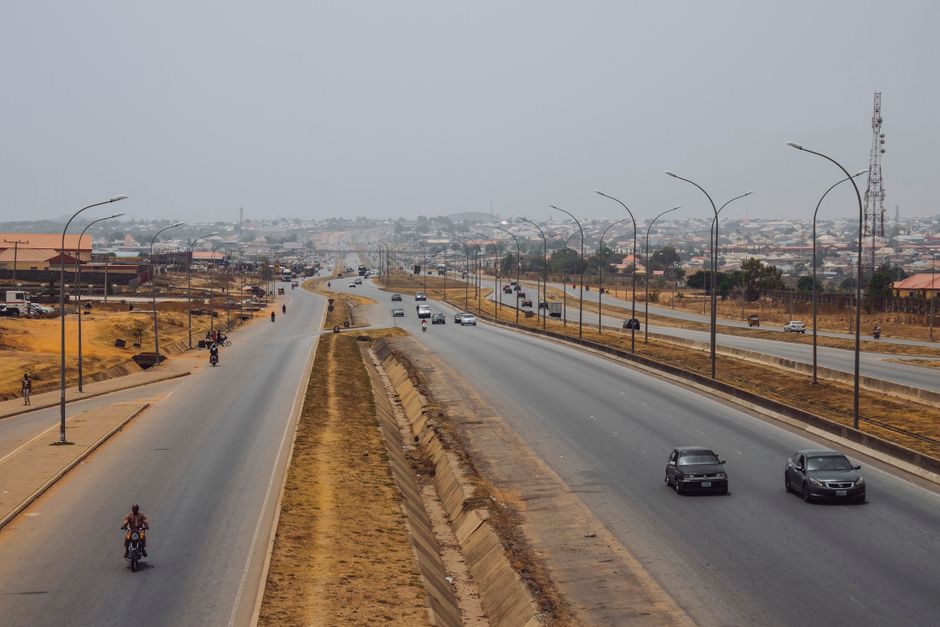
The Lagos-Calabar Coastal Highway, a flagship infrastructure project touted to redefine Nigeria's transportation landscape, continues its ambitious journey. As of September 2026, the project has garnered significant funding and witnessed substantial progress in its initial phases, solidifying its 'final approval' through a series of key financial endorsements and government commitments. This colossal 700-kilometre undertaking, stretching from Lagos to Calabar, aims to connect nine coastal states, promising unparalleled economic integration and trade facilitation.
Analytical Insights
Financially, the project has seen substantial commitments. Deutsche Bank notably led a $747 million loan for Phase 1 Section 1, funding the initial 47.5 kilometres from Victoria Island to Eleko Village. Subsequently, a $1.26 billion financing deal for Phase 1 Section 2 (55.7 km) was underwritten by First Abu Dhabi Bank and Afreximbank. Overall, the Federal Executive Council in May 2026 approved contracts worth over N7 trillion for various road projects, including a N1.86 trillion extension for the coastal highway through Akwa Ibom State, underscoring the government's resolve. While Section 1 in Lagos was largely completed by Q2 2026, construction on other segments, particularly in Akwa Ibom and Cross River, is gaining momentum. However, this ambitious project has been far from smooth, plagued by controversies ranging from land demolitions affecting businesses like the Landmark Beach Resort, to allegations of non-transparent contract awards contravening the Public Procurement Act.
'From the get-go, the award was defective: no bidding, no advertisement with a flouting of the Procurement Act.'
— Barrister Kingdom Nnamdi Okere
Such sentiments highlight the persistent calls for greater transparency and adherence to due process, especially considering the project's estimated $11 billion total cost and N7.5 billion per kilometre price tag.

Key Funding Milestones (USD)
Phase 1, Sec 1 ($747M)
Phase 1, Sec 2 ($1.26B)
Beyond financial and procurement concerns, the project faces environmental and social challenges. Allegations of rerouting the highway without due consideration for existing communities and investments have led to calls for interventions from foreign investors claiming $250 million losses. Furthermore, lawyers from Ondo State have recently voiced concerns in September 2026 over alleged diversions of the coastal route away from legitimate coastal communities, questioning the project's very mandate as a 'coastal' highway. Security is another emerging concern, with the Nigeria Security and Civil Defence Corps (NSCDC) advocating for a multi-agency approach to protect this critical national asset from vandalism and criminal activities. Despite these hurdles, the government remains committed, positioning the highway as a cornerstone of the 'Renewed Hope' agenda, set to foster regional trade, tourism, and job creation. The expected completion by 2031 signals a long-term vision, even as sections are progressively opened.
As the Lagos-Calabar Coastal Highway project progresses, its impact on Nigeria's development trajectory will be profound. While the commitment to developing robust infrastructure is laudable, sustained scrutiny over transparency, environmental impact, and community engagement remains paramount. Balancing economic aspirations with social responsibility and equitable development will be the true measure of this monumental project's success.