Intro: Every bustling street corner, every steaming pot of 'isi ewu' or 'nkwobi' in Nigeria tells a story of culinary resourcefulness. We Nigerians know a thing or two about making magic with what others might deem 'unconventional' ingredients. This isn't just about taste; it's about tradition, survival, and the unwavering spirit of a people who find flavour and sustenance where others see only scraps. So, imagine our bemusement when we hear about a dish – haggis, Scotland’s national delicacy – made from humble animal innards, revered as a 'fine-dining treat' there, yet outright 'banned' in a country like the United States. It's a tale that strikes a familiar chord right here at home, illuminating the stark contrasts in how different cultures value what lands on their plates, and the everyday realities that shape our own food choices.
What Is Happening on the Ground: A Global Plate, a Local Reality
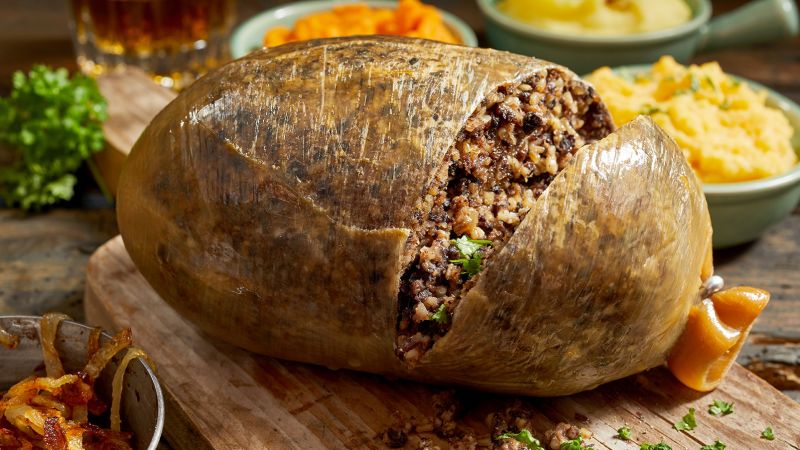
The global food scene is a tapestry of diverse tastes and traditions. In Scotland, haggis, a hearty mix of diced lung, liver, and heart, blended with oatmeal, suet, onion, and spices, traditionally boiled in a sheep’s stomach, is celebrated as a 'great pleasure'. Even renowned American chef Anthony Bourdain, despite its 'sinister sheep parts,' championed it, declaring it 'the most unfairly reviled food on Earth'. Yet, this very dish, a symbol of Scottish identity and a 'cuddle for the stomach', has faced a ban in the United States due to regulations concerning the use of sheep’s lungs.
Now, let's bring this closer to home. Here in Nigeria, while we might not be boiling sheep’s lungs in their stomach for a national dish, the concept of 'nose-to-tail eating' is not just a trend; it's a deeply ingrained cultural practice and an economic necessity. Think of our beloved 'shaki' (tripe), 'fuku' (lungs), 'bokoto' (cow leg), 'round-about' (intestine), and 'edo' (liver) – all integral components of our rich peppersoup, 'isi ewu', 'nkwobi', and countless other stews and soups. These 'assorted meats' are not just filler; they are prized for their unique textures and flavours, forming the backbone of affordable, nutritious meals for millions.
“For many Nigerian families, especially with the way things are now, these parts aren't just 'assorted'; they're essential. They stretch the pot, provide nourishment, and keep our traditions alive when other options are simply too expensive.” – A market woman in Dugbe, Ibadan.
The Main Issues: Food Security, Perception, and Opportunity
The story of haggis, banned in one place but revered in another, highlights critical issues mirroring our own challenges and opportunities. Firstly, it speaks to food security. In an era of escalating food prices and economic hardship, internal organs and less conventional animal parts offer a more affordable protein source compared to prime cuts of beef, chicken, or fish. For many Nigerian households struggling to make ends meet, these 'offal' options are not just a choice, but a practical necessity that prevents hunger and maintains nutritional intake.
Secondly, there's the issue of perception and cultural bias. Just as haggis can seem like an 'Outlander-style outlier' to some, our traditional dishes, often utilising every part of an animal, can sometimes be viewed with scepticism by those unfamiliar with their rich history and preparation. Yet, as food writer Sue Lawrence notes about haggis, 'If you didn’t know what was in it, you wouldn’t think 'oh that tastes of liver or whatever.' It is all nicely chopped up and the oatmeal gives it a lovely texture. It could easily be a nice, big mince dish.' This adaptability and the transformation through skilled cooking resonate deeply with Nigerian culinary philosophy, where complex flavours and textures are crafted from seemingly simple ingredients.
Finally, the 'ban' presents a curious paradox and a potential lesson. While the US ban on sheep lungs for haggis is a regulatory matter, it underscores the need for robust local food processing standards. If Nigeria could refine and formalise the processing of its own diverse 'offal' products, ensuring hygiene and meeting international health benchmarks, it could unlock new export markets. Imagine our meticulously prepared 'shaki' or 'bokoto' processed to international standards, becoming a gourmet item abroad, much like haggis is in Scotland.
- Haggis, Scotland's national dish made from sheep offal, is banned in the US but a delicacy in Scotland.
- 'Nose-to-tail' eating, common in Nigeria, provides affordable protein amidst rising food costs.
- Local processing and improved hygiene standards could open up new international markets for Nigerian traditional food products.
- Youth are increasingly finding innovative ways to market traditional Nigerian foods, blending heritage with modern appeal.
The Impact on Daily Life: Sustenance, Innovation, and Youth Survival
For the everyday Nigerian, the fluctuating price of food is a constant worry. With inflation biting deep, the affordability of protein sources directly impacts family diets. A kilogram of prime beef, once a regular staple, is increasingly becoming a luxury. This drives families, entrepreneurs, and street food vendors alike to rely more heavily on cheaper, yet equally nutritious, alternatives like offal. This isn't just about cutting costs; it’s about maintaining cultural identity through food. The Sunday lunch pepper soup, the celebration 'isi ewu', or the quick 'suya' snack from the roadside vendor, often feature these 'assorted meats' prominently, reflecting both tradition and economic savvy.
Youth survival is another critical aspect. In a challenging job market, many young Nigerians turn to entrepreneurship, and the food sector offers fertile ground. From innovative online food businesses offering modern twists on traditional dishes (think 'haggis in filo pastry' but with 'shaki' or 'fuku') to small roadside stalls providing essential, affordable meals, young people are at the forefront. They are rebranding and reimagining how traditional foods are presented, bridging the gap between heritage and contemporary appeal. The 'Instagrammable' factor, which the source article implies haggis lacks, is something Nigerian youth are masterfully applying to our local delicacies, making them appealing to a new generation and even attracting tourists.
Here’s a quick look at how food costs are shaping choices in our local markets:
| Item | Average Price (per kg, Q3 2026) | Accessibility/Commonality |
|---|---|---|
| Prime Beef (e.g., Fillet) | ₦6,500 - ₦8,000 | Less accessible for average income earners |
| Goat Meat | ₦5,000 - ₦6,500 | Common, but becoming more expensive |
| Assorted Offal (Shaki, Fuku, Edo, Bokoto) | ₦2,500 - ₦4,000 | Highly accessible, staple for many families |
| Chicken (Whole) | ₦4,000 - ₦5,500 | Common, but price increases affect consumption |
What Needs to Be Done: Valuing Our Own, Building for Tomorrow
The contrast between haggis being a 'fine-dining treat' in Scotland and 'banned' in the US provides a potent lesson for Nigeria. We must first recognise and unapologetically champion the incredible value and cultural significance of our own traditional foods, especially those utilising 'nose-to-tail' components. These are not 'poor man's food'; they are a testament to our culinary heritage, resilience, and ingenuity.
Secondly, there is a critical need for governmental support in developing robust, hygienic, and scalable processing facilities for our local food products. By investing in modern abattoirs, cold chain logistics, and packaging technologies, we can not only ensure safer food for our local consumption but also meet international health and safety standards. This would transform our traditional 'offal' into high-value exports, creating jobs and generating much-needed foreign exchange.
Furthermore, education and sensitisation are crucial. We need to continuously educate both local and international audiences about the nutritional value, versatility, and rich history of Nigerian cuisine. This can help dismantle misconceptions and elevate the status of our indigenous dishes on the global stage. Supporting young entrepreneurs who are innovating in this space, providing access to credit, training, and market linkages, will ensure the sustainability and evolution of our food culture.
Finally, we must foster a sense of national pride in our culinary diversity. Just as the Scots celebrate haggis, we should celebrate 'isi ewu', 'nkwobi', 'pepper soup', and countless other dishes that embody our resourcefulness. These are not just meals; they are narratives of our history, our struggles, and our triumphs, cooked with the warmth of our spirit.