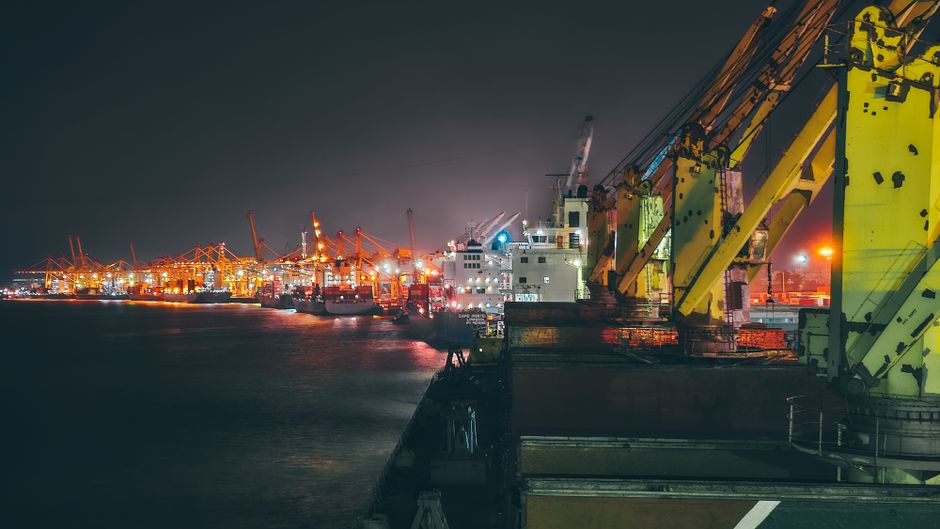
The Federal Government of Nigeria has given its comprehensive approval for the modernisation and upgrade of four crucial seaports in the eastern and southern corridors: Onne Port in Rivers State, Rivers Port, Delta Port in Delta State, and Calabar Port in Cross River State. This landmark decision, announced recently by the Minister of Marine and Blue Economy, Adegboyega Oyetola, is poised to significantly reshape Nigeria’s maritime landscape. It complements earlier approvals for the upgrade of the bustling Apapa and Tin Can Island ports in Lagos, signaling a holistic national strategy to unlock the immense economic potential of the country's waterways.
Analytical Insights
For decades, Nigeria's port infrastructure has grappled with myriad challenges, including severe congestion, dilapidated facilities, slow cargo evacuation, and high operational costs, largely concentrated around the Lagos axis. These inefficiencies have historically hampered trade competitiveness and escalated the cost of doing business. The newly approved upgrades are a strategic pivot, designed to expand Nigeria's overall cargo-handling capacity, reduce traffic concentration around Lagos, and establish alternative, efficient gateways for international trade.
The scope of these modernisation efforts is extensive, encompassing the reconstruction of quay walls, deepening of channels to accommodate larger vessels, replacement of obsolete cargo-handling equipment, and the further digitalisation of terminal and gate operations. This integrated approach aims to not only enhance operational efficiency but also drastically cut down vessel turnaround times and lower logistics costs, making the movement of goods more predictable and cost-effective across the nation.
The economic benefits are projected to be substantial. Already, Nigerian ports have shown improved performance, with cargo throughput increasing by 11.6% year-on-year to 32.38 million metric tonnes in Q1 2026. The upgrades are expected to further boost these figures, attract foreign direct investment, and create thousands of jobs within the maritime and logistics sectors. This initiative aligns squarely with President Bola Tinubu's 'Renewed Hope Agenda', which prioritises infrastructure renewal and economic diversification as central to national growth.
'This approval marks another important step in our determination to transform Nigeria's maritime infrastructure and unlock the enormous economic potential of our ports.'
— Adegboyega Oyetola, Minister of Marine and Blue Economy
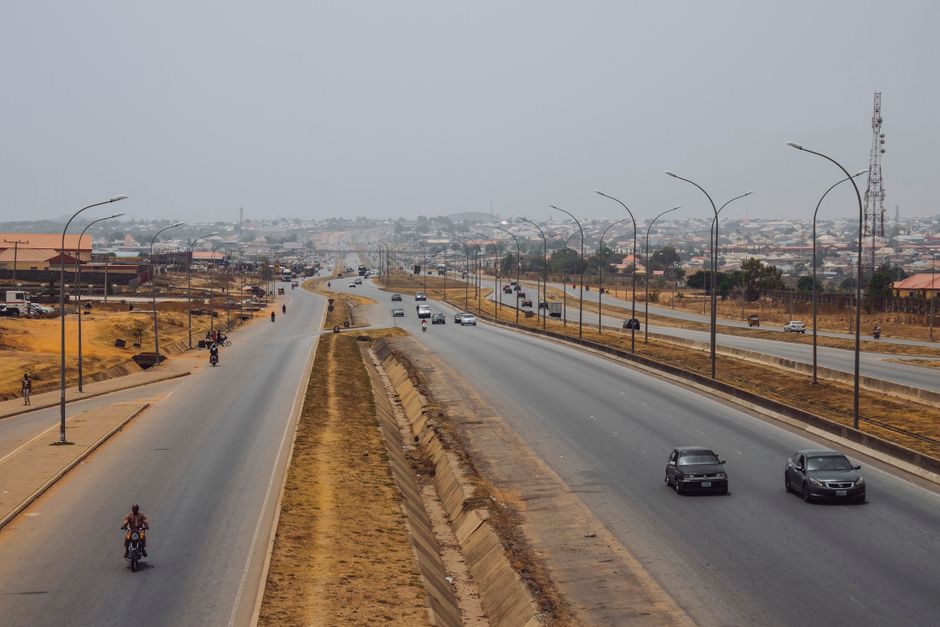
While the investment in port facilities is critical, experts caution that true modernisation extends beyond the port gates. Hadiza Bala Usman, Special Adviser to President Bola Tinubu on Policy Coordination, stressed that the impact should be measured by lower cargo-handling costs, faster vessel turnaround, and improved export capacity, not just money spent. This necessitates complementary improvements in connecting infrastructure, such as roads, rail, and inland waterways, to ensure seamless cargo evacuation and prevent new bottlenecks.
The government is also pushing for a reduction in cargo dwell time from the current 18-21 days to under seven days by 2026, supported by the National Single Window (NSW) initiative which aims to digitise trade documentation and eliminate multiple agency interfaces. Furthermore, the enactment of the Nigerian Ports Economic Regulatory Agency (NPERA) Act 2026 is expected to provide a robust framework for regulating tariffs, service standards, and promoting competition, safeguarding port users from arbitrary charges.

The strategic development of new deep-sea ports, including Ibom, Bakassi, Agge, Gateway, Ondo, and Bonny, further underscores Nigeria's ambition to become a dominant maritime and logistics hub in West Africa. These concerted efforts in both upgrading existing infrastructure and developing new facilities are expected to provide greater capacity to accommodate rising trade volumes, enhance regional connectivity, and create stronger economic corridors across the country.
Port Efficiency & Capacity Outlook
Current Utilisation (2025)
Projected Capacity (Post-Upgrade)
The transformation of Nigeria's seaports is not merely an infrastructure project; it is a strategic economic imperative. By addressing long-standing systemic issues and proactively planning for future trade demands, Nigeria is positioning itself to leverage its strategic coastal advantage, foster regional trade integration, and significantly boost its non-oil revenue. The successful implementation of these upgrades, alongside critical reforms and continued private sector collaboration, will be instrumental in cementing Nigeria’s role as a leading maritime and logistics powerhouse in Africa, driving sustainable economic growth for years to come.