
Intro: Every morning, Mama Ngozi wakes up before dawn in Ajegunle, carefully counting out the naira notes for her children's breakfast and transport. She worries about school fees, the rising cost of garri, and whether her eldest son, a university graduate, will ever find a job that pays more than a pittance. For Mama Ngozi, and millions of Nigerians like her, every kobo counts, every decision a tightrope walk between survival and despair. So, when news breaks from across the oceans about former leaders making billions, questions naturally arise: What does this mean for us? Are our own leaders playing by different rules, and what's the real cost to our nation?
What Is Happening on the Ground
The story comes from the United States, but its echoes resonate deeply in our homes and markets. Former US President Donald Trump, according to recent financial disclosures, reportedly made an astonishing $2.2 billion (that's roughly N3.3 trillion at today's exchange rate!) in his first year out of office, with a significant chunk from cryptocurrency ventures. This, historians say, is 'unprecedented' and shatters the long-held tradition in American politics of presidents avoiding financial conflicts of interest while in, or immediately after, leaving office. Imagine that kind of money! It's enough to make your head spin, especially when we're talking about basic necessities here.
For context, past US presidents, like Harry Truman, left the White House with only their modest army pensions. They believed it was wrong to 'commercialize on the prestige and dignity of the office.' George W. Bush put his investments in a blind trust to avoid conflicts. But Trump's reported earnings from ventures, some linked to his children and special envoys, have stirred a hornet's nest, blurring the lines between public service and private gain. The White House, of course, denies any wrongdoing, but the figures speak a different language.
“Ehen, if these oyinbo leaders are making such money after office, imagine what our own politicians are doing right here, right now! Na why our country no dey move forward.” – A market woman's lament from Balogun market.
The Main Issues
This isn't just a foreign story; it’s a critical mirror reflecting universal challenges of governance, ethics, and accountability that hit close to home. The core issue here is the perceived conflict of interest – when a leader's official position, or even their past position, opens doors to massive personal wealth. In Nigeria, this issue is a constant undercurrent in our political discourse. The lack of transparency in how politicians acquire wealth, both in and out of office, fuels public cynicism and erodes trust in government. It begs the question: are leaders serving the people, or are they serving their personal financial empires?
The sheer scale of Trump's reported earnings – nearly four times his income in the year before he returned to office – highlights how quickly fortunes can change when one has access to the levers of power. This rapid accumulation of wealth, particularly through business dealings that leverage political connections, raises red flags. It suggests that the 'prestige and dignity' of public office are being monetized, rather than protected. For a developing nation like Nigeria, where resources are scarce and the need for ethical leadership is paramount, this narrative is particularly potent. It reinforces the urgent call for stronger anti-corruption mechanisms, more stringent financial disclosure laws, and unwavering enforcement.
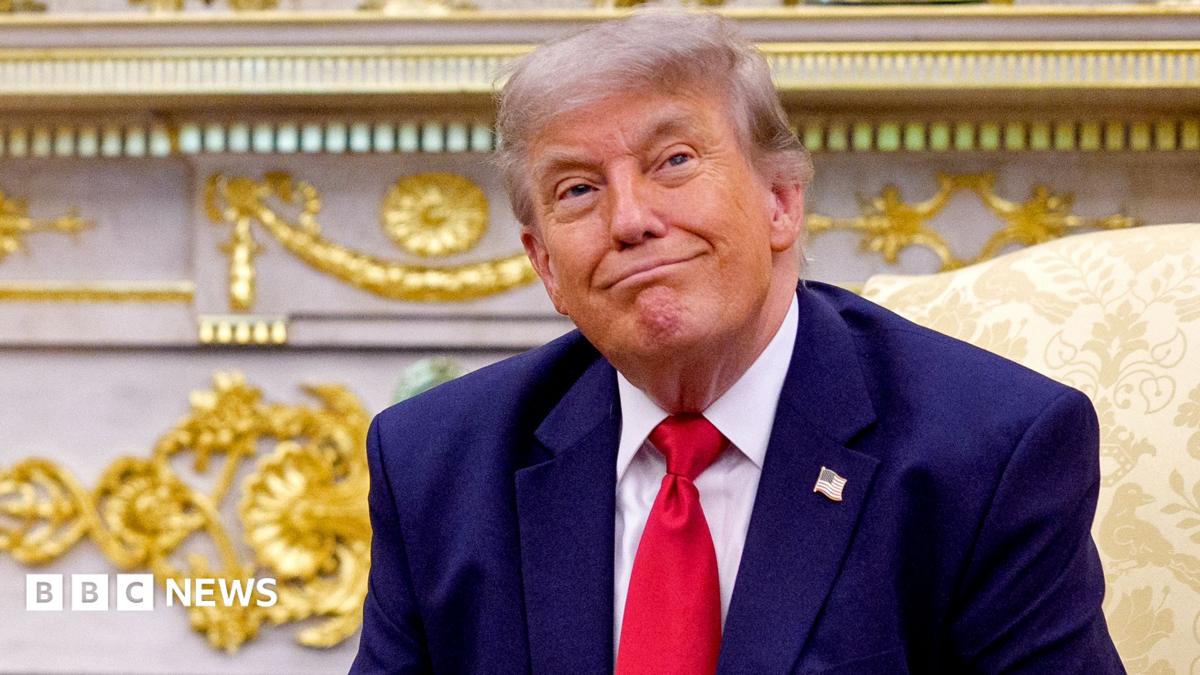
- Former US President Trump reportedly made over $2.2 billion (approx. N3.3 trillion) in his first year after office.
- This sum is considered 'unprecedented' by historians, shattering norms against financial conflicts of interest.
- A significant portion ($1.4 billion) came from cryptocurrency ventures, including a meme coin linked to his second term.
- Past US presidents like Harry Truman famously refused to commercialize their office, living on modest pensions.
- The report highlights the blurring lines between public office and private business dealings.
The Impact on Daily Life
When leaders, whether foreign or local, are perceived to be enriching themselves excessively through their positions, the impact on the everyday Nigerian is profound and often devastating. It's not just about abstract billions; it's about real resources that could have been invested in our schools, hospitals, roads, and job creation schemes. Consider this comparison:
This chart is a stark reminder of the huge disparity. The wealth reportedly accumulated by one individual in a year could potentially fund the entire annual budget of one of our most populous states or significantly bolster our national education system. For Nigerian youth, who struggle daily with unemployment and a lack of opportunities, this perception of leaders enriching themselves while the masses suffer breeds frustration and hopelessness. It makes them question the value of education, hard work, and civic engagement when the path to prosperity seems paved through political connections rather than merit. It also undermines the very fabric of our society, making it harder to fight poverty and inequality when public resources are not seen as sacred.
What Needs to Be Done
The lessons from this international story are clear and urgent for Nigeria. We must demand greater transparency and accountability from our leaders, both while in office and after. Firstly, there needs to be a robust, independent body with the teeth to enforce stringent financial disclosure laws for all public officials, with zero tolerance for non-compliance or vague declarations. Every kobo declared must be justifiable and verifiable. Secondly, we need stronger ethics commissions that can investigate and prosecute cases of conflict of interest, ensuring that the prestige of public office is never commercialized for personal gain. This means closing loopholes that allow politicians and their families to benefit from government contracts or policies.
Furthermore, civil society organizations and the media (like us, your trusted voice!) must remain vigilant, constantly scrutinizing the financial dealings of those in power and holding them to account. The public, too, has a role to play. We must demand good governance, ask tough questions, and vote wisely, choosing leaders who prioritize public service over personal enrichment. The fight against corruption isn't just about catching thieves; it's about building institutions and a culture where public office is seen as a sacred trust, not a lottery ticket to unimaginable wealth. Only then can we hope to bridge the gap between Mama Ngozi's daily struggles and the billions reportedly amassed by those who once held the reins of power.