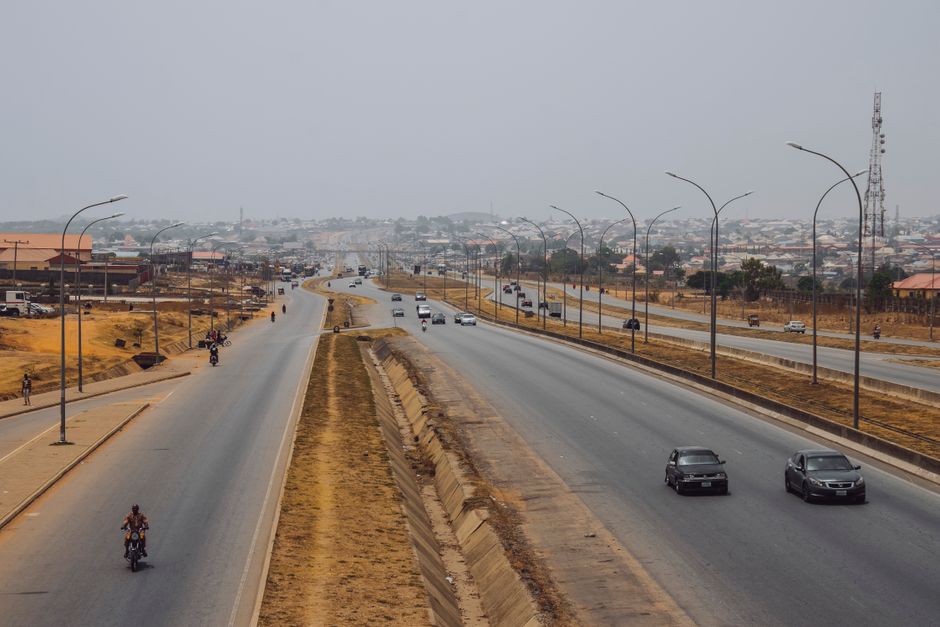
October 2026 marks a significant milestone for Nigeria's infrastructure landscape as the ambitious Lagos-Calabar Coastal Highway project is officially reported to be significantly ahead of its original construction schedule. This monumental undertaking, designed to span approximately 700 kilometers along Nigeria's southern coastline, is poised to redefine inter-state connectivity, boost trade, and unlock immense tourism potential across the region. The accelerated pace of construction has garnered widespread commendation, signaling a new era of efficiency and commitment in public works delivery.
Analytical Insights: Driving Nigeria's Coastal Future
The remarkable progress of the Lagos-Calabar Coastal Highway is attributed to a confluence of factors, including robust political will, streamlined funding mechanisms, and the deployment of advanced construction technologies by the lead contractors. By October 2026, project officials confirmed that over 35% of the total route length has been completed, with several key segments already operational or nearing completion. This performance significantly outpaces the initial projections, which anticipated only about 15% completion by this period.
The economic ramifications of this accelerated development are profound. Businesses along the coastal corridor are already experiencing increased activity, with land values appreciating and new investment opportunities emerging. The highway is expected to drastically reduce travel times between Lagos and Calabar, facilitating quicker movement of goods and people, thereby lowering logistics costs and enhancing overall productivity. Furthermore, the project has created thousands of direct and indirect jobs, providing a much-needed economic stimulus.
'This project is a testament to what focused leadership and dedicated execution can achieve. We are not just building a road; we are laying the foundation for a more integrated and prosperous Nigeria. The early progress is a win for every Nigerian.'
— Engr. David Okoro, Project Coordinator, Federal Ministry of Works

While environmental impact assessments and mitigation strategies have been crucial components of the project, ongoing monitoring remains vital to ensure sustainability. Challenges related to land acquisition and compensation have largely been addressed, though continuous community engagement is essential for seamless progress. The project's financing model, a blend of government appropriation and private sector involvement, appears to be holding firm, ensuring sustained cash flow.
Project Progress Comparison (October 2026)
Original Target (15%)
Actual Progress (35%)
*Estimated percentage completion of total route length.
The early completion trajectory suggests that the highway could be fully operational well before its initial 2030 target, potentially by late 2028 or early 2029. This accelerated timeline would unlock economic benefits sooner, providing a significant boost to Nigeria's GDP and enhancing its regional competitiveness.
The Lagos-Calabar Coastal Highway project stands as a beacon of Nigeria's infrastructure ambition. Its current status, significantly ahead of schedule, not only demonstrates effective project management and execution but also instills confidence in the nation's capacity to deliver on large-scale development initiatives. As construction progresses, the highway is set to become a vital artery, connecting communities, fostering economic growth, and solidifying Nigeria's position as a regional economic powerhouse.