146
Jun 18
Tap to Start Live Broadcast
Acoustic Enhanced Speech & Dynamic Visual Stream
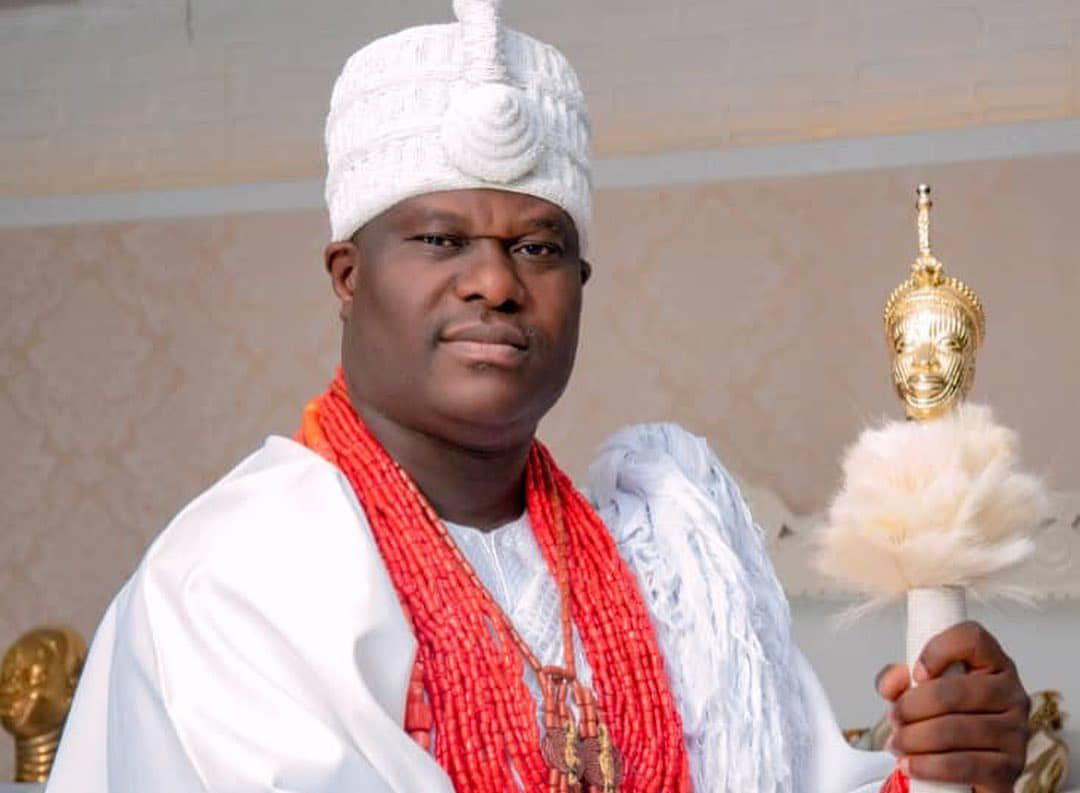
Ooni of Ife leads Nigeria's efforts to partner with Brazil for global recognition and scientific validation of African traditional medicine, aiming to make healthcare affordable and accessible for everyday Nigerians.
Intro: In countless Nigerian homes, when a child falls ill or an elder complains of persistent pain, the first port of call isn't always the glittering, often expensive, hospital. More often than not, it's the trusted local healer, the family elder with their knowledge of herbs, or the familiar 'agbo' concoction that promises relief. This isn't just about tradition; it's a stark reality shaped by escalating healthcare costs, limited access to modern facilities, and a deep-seated belief in our ancestral remedies. Now, a groundbreaking move led by the Ooni of Ife, Oba Adeyeye Enitan Ogunwusi, is aiming to bring these age-old healing practices onto the global stage, potentially revolutionizing how we view and access healthcare right here at home.
Imagine a future where the remedies passed down through generations in our villages are not only respected but also scientifically validated and integrated into our national health system. That's the ambitious vision unfolding as Nigeria, spearheaded by a delegation representing the Ooni of Ife, has forged a significant partnership with Brazil. The two nations recently held a high-level meeting in Rio de Janeiro, Brazil, at the Oswaldo Cruz Foundation (Fiocruz), a leading health research institution. The core agreement? To strengthen collaboration on the scientific validation of African traditional medicine. This isn't just talk; they've adopted a clear roadmap to deepen cooperation in crucial areas like research, technology transfer, academic exchange, and public health innovation.
For too long, our traditional medicine, rich in indigenous wisdom and healing plants, has been sidelined, often dismissed as mere folklore by Western standards. Yet, an overwhelming 80% of Nigerians, especially those in rural areas, rely on it as their primary form of healthcare. The Ooni's delegation, which included representatives from his palace and institutions like the National Institute for Cultural Orientation (NICO) and Afe Babalola University, isn't just advocating for herbs. They stressed that African traditional medicine is a holistic system, encompassing ancestral wisdom, oral traditions, spirituality, and sacred knowledge – where prayers and incantations are as integral to healing as the plants themselves.
This collaboration with Brazil is a strategic one. Brazil, itself a country with a rich tradition of integrating complementary and traditional health practices into its public healthcare system, serves as a powerful model for Nigeria. They've already scientifically validated hundreds of medicinal plants, offering a robust foundation for joint research. The discussions covered ongoing collaborative research on medicinal plants used to treat diabetes and explored expanding these studies to other therapeutic products. Furthermore, the summit agreed to support the establishment of a Human Milk Bank in Nigeria, leveraging Brazil's technical expertise and linking this partnership to broader global climate and biodiversity initiatives.
“This is more than just about medicine; it's about reclaiming our heritage and creating solutions that truly serve our people. If our forefathers found healing in these plants, it’s time science caught up and made it safe and accessible for everyone, especially when modern hospitals feel like a luxury few can afford.” – A community leader in Lagos.
Our healthcare system in Nigeria faces monumental challenges. Decades of underfunding, insufficient infrastructure, and a crippling 'brain drain' of medical professionals have left many of our hospitals barely functional. This dire situation means that most Nigerians bear the burden of healthcare costs out-of-pocket, with nearly 75% of total health expenditures coming directly from individual pockets. This makes formal healthcare unaffordable and inaccessible for millions, pushing them towards traditional healers and patent medicine vendors, which are often unregulated. The consequences are grave: preventable illnesses, high maternal and infant mortality, and mounting debt for families trying to save loved ones.
The issue isn't just about lack of access to Western medicine; it's also about the neglect of our own potent traditional systems. Despite its widespread use, traditional medicine in Nigeria suffers from a lack of formal training, proper regulation, and scientific validation. This has led to concerns about unstandardized products, potential contamination with heavy metals, harmful drug interactions, and unethical practices by some practitioners. Furthermore, climate change, deforestation, and rapid urbanisation are threatening the availability and efficacy of many vital medicinal plants, increasing their scarcity and driving up costs for traditional healers.
This new partnership with Brazil is a crucial step in addressing these governance realities. The Ooni's continuous advocacy for investment and research in African traditional medicine highlights a critical shift in perspective. It's an acknowledgment that we cannot afford to ignore a healthcare system that 80% of our population relies on. By embracing scientific validation, we can ensure the safety and efficacy of these remedies, making them a reliable and affordable alternative or complement to modern medicine. This also opens doors for our youth, offering opportunities in research, cultivation, production, and distribution of standardized herbal products, combating unemployment and encouraging innovation within our borders.
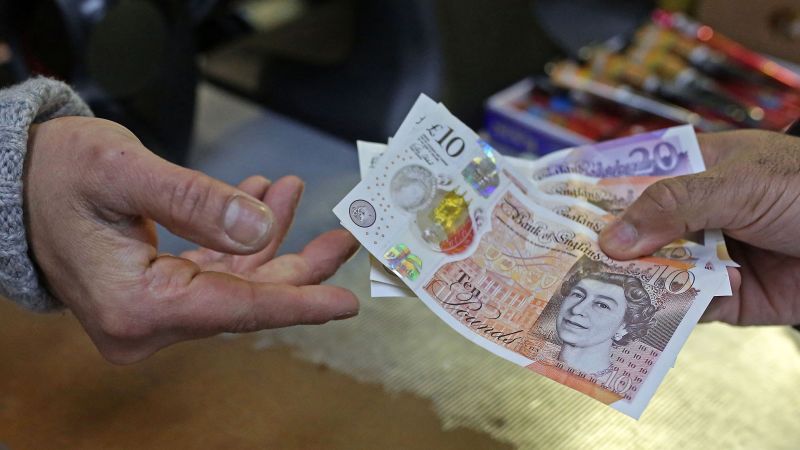
For the average Nigerian, especially those struggling to make ends meet, this collaboration holds immense promise. Imagine visiting a government-approved clinic where a certified traditional medicine practitioner can offer effective, scientifically backed herbal treatments that are affordable and easily accessible. This could mean a significant reduction in the financial burden of healthcare. Currently, many Nigerians turn to traditional medicine due to the high cost of conventional treatment, often spending tens of thousands of naira on herbal remedies, and even more on hospital visits.
By integrating evidence-based indigenous healthcare into formal health systems, we could see an expansion of trusted treatment options, particularly in rural and underserved communities where modern hospitals are scarce. This also means safer remedies, as scientific validation helps filter out ineffective or harmful concoctions, protecting families from adverse effects. For our youth, this initiative could spark a new wave of entrepreneurship. From sustainable cultivation of medicinal plants to research, processing, and distribution of standardized products, a validated traditional medicine sector could create thousands of jobs, providing a lifeline for many struggling with unemployment. It’s an opportunity to leverage our rich biodiversity for economic growth and improved public health.
This initiative, while promising, requires sustained effort and robust governance to truly transform healthcare in Nigeria. Firstly, the Nigerian government must move beyond mere pronouncements and implement concrete policies that fully integrate traditional medicine into our national healthcare framework. This means adequate funding for research and development, building on the groundwork laid by institutions like the National Institute for Pharmaceutical Research and Development (NIPRD).
Secondly, a strong regulatory body is essential. This body must establish clear standards for training traditional medicine practitioners, ensuring ethical conduct, product standardization, and safety protocols. This will help weed out charlatans and build public trust. Thirdly, we need to invest heavily in scientific research and documentation of our vast medicinal plant resources. Collaboration with international partners like Brazil and academic institutions is vital here, but local expertise must be empowered. This includes creating opportunities for our young scientists and researchers to lead these efforts, offering scholarships and grants for studies in pharmacognosy and ethnobotany.
Finally, community engagement is paramount. The wisdom of our traditional healers and communities must be respected and preserved, ensuring that this scientific validation process does not erase the cultural and spiritual essence of our healing practices. Public awareness campaigns are also needed to educate Nigerians on the benefits of validated traditional medicine, fostering a balanced approach to health that combines the best of both worlds. By taking these steps, Nigeria can not only provide affordable and effective healthcare for its citizens but also position itself as a global leader in indigenous medical innovation, turning our ancient wisdom into modern solutions for humanity.