

Technology & Business Innovation
Beyond Showrooms: SStore Launches Interactive Smart Home & Security Experience in Lagos
175
Jul 26

Tap to Start Live Broadcast
Acoustic Enhanced Speech & Dynamic Visual Stream
Nigerian youth face severe economic hardship and unemployment (6.5% in Q4 2025), with 93% in informal jobs. Government education spending at 5.47% in 2025 falls far below UNESCO's 15-20% recommendation, leaving many graduates with no future plans.
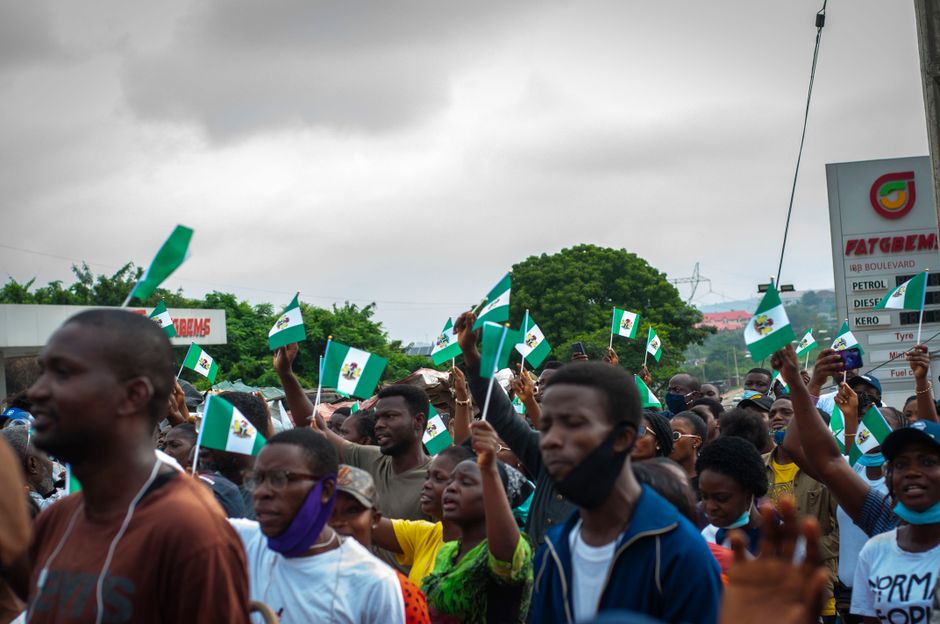
In the bustling streets of Lagos to the quiet corners of rural communities, a raw, undeniable truth echoes: Nigeria's youth are caught in the throes of an economic emergency. As the nation moves through March 2026, the promise of a brighter future for its vibrant young population often feels like a distant mirage, overshadowed by crippling hardship and a profound sense of disillusionment. Many young Nigerians, grappling with the stark realities of their 20s, find themselves without clear future plans, a grim reflection of systemic challenges that persist despite rhetoric of change.
The latest figures paint a sobering picture. The youth unemployment rate in Nigeria stood at 6.5% in Q4 2025, affecting approximately 4.18 million young individuals aged 15-34. This rate, however, only tells part of the story, as informal employment accounts for a staggering 93% of jobs, disproportionately impacting youth, women, and persons with disabilities. Surveys conducted in January 2026 reveal a shared struggle among young Nigerians with skyrocketing costs of food, transportation, and basic necessities, making daily survival a constant hustle.
Advocates have decried the worsening living conditions as an 'economic emergency demanding urgent national response,' emphasizing that the nation risks losing its most productive generation to frustration and despair without immediate intervention. Young Nigerians entered 2026 with cautious hope, but the prevailing sentiment is one of a system working against them, forcing reliance on personal effort over systemic support.
'Across the 36 states and the Federal Capital Territory, the average Nigerian youth is struggling to survive. The price of food, transportation, and basic needs has skyrocketed beyond reach. We are calling on the government to prioritize youth welfare, job creation, and economic inclusion.'
— Edison Atumeyi Edime, Political Analyst and Youth Advocate (November 2025)
The pervasive skills mismatch further exacerbates the crisis. Employers report significant difficulty in filling roles due to a lack of job-ready talent, with fewer than 20% of graduates immediately employable in March 2026. This glaring disconnect between academic output and market demand, coupled with poor funding for education and weak university-industry links, leaves many graduates ill-equipped for the modern workforce.
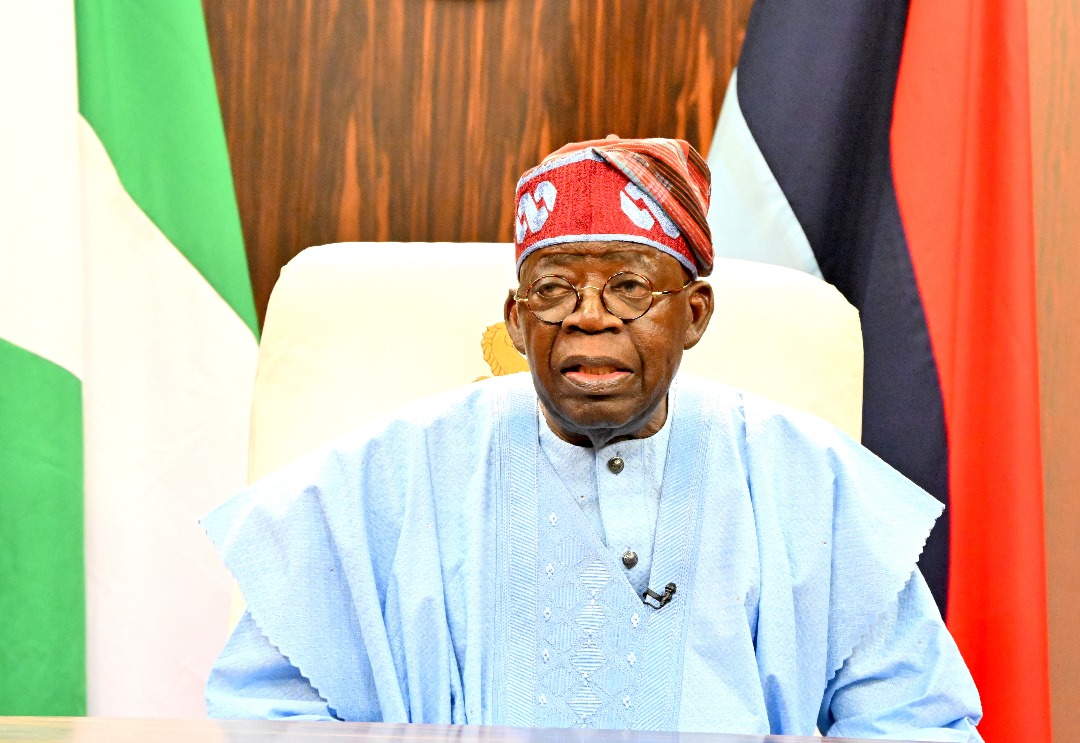
While the Nigerian government, under President Bola Ahmed Tinubu, has outlined various reforms and initiatives aimed at youth empowerment and economic inclusion for 2025 and 2026, the budgetary allocations tell a different story. Despite commitments to skill development, job creation, and entrepreneurship support, the education sector, a crucial bedrock for youth development, has seen a progressive reduction in budgetary allocation, plummeting from 10.75% in 2015 to just 5.47% of the national budget in 2025. This is starkly below the UNESCO recommended benchmark of 15-20% for education spending.
The Federal Ministry of Youth Development's 2026 budget stands at N518 billion, a segment of the N2.3 trillion allocated to education overall. Critics argue that these figures, alongside a projected budget deficit of N23.85 trillion against N34.3 trillion revenue, highlight a fiscal strategy that prioritizes borrowing, potentially at the expense of sustainable long-term investments in its most valuable asset: its youth.
Compare Nigeria's 2025 Education Budget Allocation to UNESCO Recommendation:
Education Budget as % of National Budget
While initiatives like the revitalized National Youth Investment Fund (NYIF) with N110 billion and the Youth Economic Intervention and De-Radicalisation Programme (YEIDEP) aim to provide access to capital and skills, their large-scale impact is yet to be fully realized. Meanwhile, the persistent call for greater youth involvement in governance remains largely unanswered, with only 6% youth representation in State Houses of Assembly. The disconnect between government efforts and the lived experiences of many young Nigerians continues to fuel concerns over misplaced priorities and a future that remains largely unwritten for a generation eager to contribute.


/sky247-nigeria/media/media_files/2025/05/29/pk6lt9EJk0o1ZhK8t949.jpeg)