Intro: Around the bustling markets of Balogun and Ariaria, in the vibrant textile stalls of Kano’s Kantin Kwari, and within the small, buzzing workshops of countless tailors across Nigeria, whispers are turning into anxious shouts. The Nigerian Senate is on a quest to ban textile imports, a move they believe will resurrect our once-thriving local industry. But for the everyday Nigerian – the market woman, the aspiring fashion designer, the average consumer – this quest stirs a complex mix of hope, fear, and a heavy dose of 'wetin we gain?'
What Is Happening on the Ground
Just last month, our esteemed Senators in the Red Chamber called for a complete prohibition on the importation of textile products into the country. The resolution, championed by Senator Sunday Katung of Kaduna South and supported by many others, aims to provide a protected five-year window for local cotton farmers and textile mills to scale up their production and reclaim their lost glory. The objective is clear: revive local manufacturing, create jobs, and stem the massive outflow of foreign exchange currently spent on imported fabrics.
For many older Nigerians, this news brings a bittersweet nostalgia. They remember a time, not so long ago, when Nigeria boasted one of Africa's largest and most vibrant textile industries. From the 1950s through the 1980s, textile factories were pillars of industrialization and employment, with giants like Kaduna Textiles Limited (KTL) leading the charge. Kaduna itself earned the nickname 'Textile City' due to the concentration of major textile companies operating there. At its peak, the sector employed over 500,000 workers nationwide, relying heavily on locally grown cotton and supplying fabrics across West Africa.
However, the glorious days faded. By the mid-1990s and early 2000s, this industrial giant began to crumble. The number of operational textile mills plummeted from about 180 to fewer than 20 today. Employment in the sector, which once provided livelihoods for hundreds of thousands, dwindled to a paltry fraction, leaving many families struggling.
“We used to see our fathers and mothers working in those factories, earning good money. Now, those places are ghost towns. A ban sounds good on paper, but can it truly bring those days back, or will it just make things harder for us?” – A tailor in Lagos.
The Main Issues
The Senate’s intention is noble, but the road to reviving our textile industry is paved with more than just good intentions. Experts and economic analysts, like those at the Centre for the Promotion of Private Enterprise (CPPE), have quickly cautioned against an outright import ban, arguing that it addresses symptoms rather than underlying causes.
So, what exactly are these 'underlying causes' that have crippled our textile industry?
- Power, Power, Power! The epileptic power supply across Nigeria remains a massive impediment. Textile manufacturing is an energy-intensive process, and operating solely on expensive generators significantly inflates production costs, making local goods uncompetitive.
- Infrastructure Decay: Beyond power, poor road networks, inadequate water supply, and other infrastructural deficits make it difficult and costly to transport raw materials and finished goods.
- Cost of Credit: Accessing affordable long-term finance remains a pipe dream for many local manufacturers. High interest rates choke potential growth and expansion.
- Obsolete Technology: Many of our existing mills still rely on outdated machinery, which cannot compete with the efficiency and quality of modern, technologically advanced imports.
- Smuggling Menace: Our porous borders are a haven for smugglers, who continuously flood the market with cheap, untaxed foreign textiles, effectively undercutting legitimate local products. Even with existing import duties of 35-45%, smuggling thrives.
- Raw Material Shortages: Despite Nigeria being a leading cotton producer in Africa, contributing about 43% of the continent's cotton fabric output, a significant portion of arable land remains underutilized. Cotton production plummeted from 300,000 tonnes in the 1980s to just 15,000 tonnes today, leading to raw material shortages for local mills.
- Policy Inconsistency: Past government interventions and policies have often lacked the consistency and rigorous implementation needed for long-term impact.
- Nigeria's textile industry once employed over 500,000 people.
- Today, fewer than 20 mills remain operational, down from 180.
- The fashion, garment, and tailoring industry (downstream) is valued at N10 trillion and supports an estimated 10 million livelihoods.
- The furniture and interior design industry, also reliant on fabrics, is valued at N7 trillion.
- Current import duties on textiles already range from 35% to 45%, yet local competitiveness remains low.
The Impact on Daily Life
This proposed ban, while seemingly patriotic, carries significant risks for the common Nigerian. The CPPE warns that it could jeopardise an estimated 10 million livelihoods in related industries, such as fashion design, tailoring, garment manufacturing, furniture, and interior design.
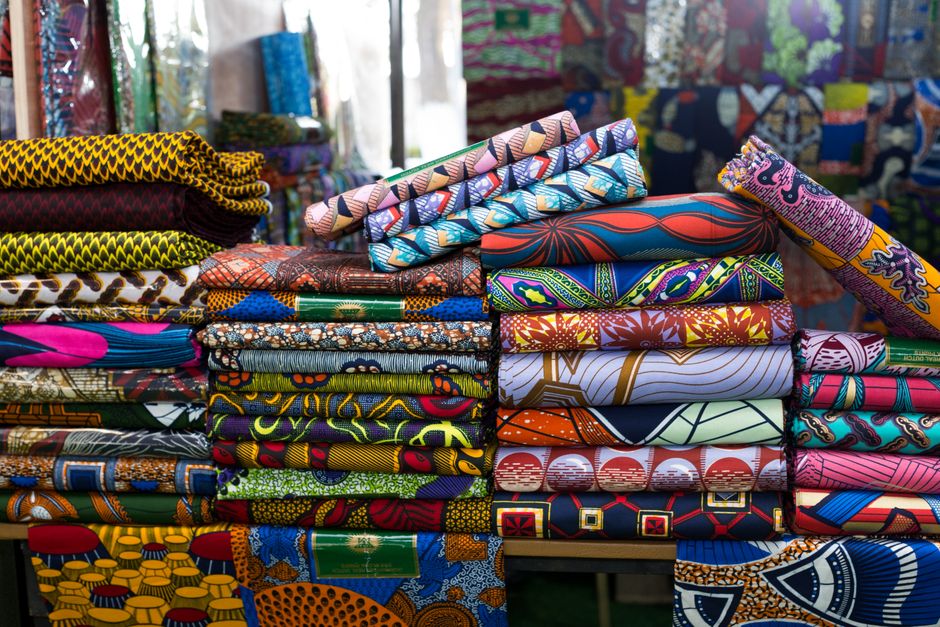
Imagine Mama Bimpe, who runs a small fabric shop, relying on diverse imported prints to meet her customers' demands for weddings and parties. Or young Yusuf, an apprentice tailor who learns his craft using readily available foreign materials. An import ban means these individuals would face immediate supply shortages, increased production costs, and limited choices for their customers. This could force them out of business or push them into the informal economy, further fueling smuggling activities that thrive on scarcity.
The fashion and garment-making industry alone is valued at a staggering N10 trillion and directly supports about 10 million Nigerians. Similarly, the furniture and interior design sector, a N7 trillion industry, heavily depends on imported fabrics. Restricting access to these crucial inputs would cripple these vibrant sectors, leading to job losses and increased prices for consumers, who will have fewer, more expensive choices.
Youth survival, a constant struggle in Nigeria's tough economic climate, would be particularly impacted. Many young entrepreneurs have carved niches in bespoke fashion, leveraging diverse fabrics. A ban could stifle their creativity and economic independence. Instead of fostering growth, it could erect new barriers, making it harder for them to earn a living.
Comparing Sectoral Contribution & Vulnerability
- Current Jobs: <20,000
- Operational Mills: <20
- Value: (part of manufacturing)
- Directly impacted by imports: High
- Current Jobs: ~10 Million
- Businesses: Thousands of MSMEs
- Value: ~N17 Trillion (N10trn Fashion + N7trn Furniture)
- Rely on imported fabrics: High
What Needs to Be Done
For our textile industry to truly revive and compete, we need more than just a banhammer; we need a holistic, well-thought-out strategy. As the CPPE and other experts suggest, the focus must shift from merely restricting imports to improving the overall competitiveness of local manufacturers.
Here are crucial steps that must be taken:
- Stable Power & Infrastructure: Invest massively in dedicated power infrastructure for industrial clusters, improve road networks, and ensure reliable water supply. This is foundational.
- Access to Affordable Finance: Create special intervention funds with single-digit interest rates for textile manufacturers and cotton farmers. Past interventions need better monitoring and transparent implementation.
- Revive Cotton Production: Implement comprehensive strategies to boost local cotton farming. This includes providing improved seedlings, modern farming equipment, extension services, enhanced security in farming areas, and guaranteed off-take arrangements for farmers.
- Modernize Technology: Support local mills in acquiring modern machinery and equipment to enhance quality, diversity, and efficiency of production.
- Tackle Smuggling Head-on: Strengthen border enforcement significantly and punish offenders decisively. Without effective anti-smuggling measures, any ban will simply fuel illegal trade.
- Government Procurement Power: The government should lead by example by mandating all military, paramilitary agencies, schools, and other public institutions to procure their uniforms and textile needs from local manufacturers. This creates a guaranteed market.
- Promote 'Made-in-Nigeria': Launch aggressive campaigns to change the narrative and promote patronage of locally produced goods, emphasizing quality and national pride.
- Research & Development: Invest in textile research and development to foster innovation in designs, fabric types, and production processes.
A unilateral ban, without addressing these fundamental structural issues, risks creating more problems than it solves. It could lead to scarcity, higher prices, and the demise of millions of jobs in the downstream creative industries that actually add significant value and employ a vast number of our youth. The Senate's quest is commendable, but true revival demands a comprehensive, sustainable, and diligently implemented strategy that empowers the entire value chain, from cotton farms to fashion runways, ensuring that 'Made-in-Nigeria' isn't just a slogan, but a stamp of quality and opportunity for all.