Nigeria is on the cusp of a monumental transformation in its trade sector as the highly anticipated National Single Window (NSW) platform is set to launch on March 27, 2026. This ambitious initiative, first commissioned by President Bola Ahmed Tinubu on April 16, 2024, with a directive for full operationality by the first quarter of 2026, represents a far-reaching fiscal reform designed to streamline trade procedures, enhance efficiency, and bolster Nigeria's global competitiveness. The launch marks a critical juncture in the nation's efforts to modernize its trade infrastructure through digital integration of regulatory agencies, promising a new era of seamless commerce.
Speaking on the forthcoming launch, the Chief of Staff to the President, Femi Gbajabiamila, described the NSW as a “monumental” step and a “far-reaching fiscal reform” that will significantly transform the country's trade ecosystem. The platform is envisioned as a unified digital interface where all trade-related documentation and processes can be completed, eliminating the need for traders to interact separately with multiple government agencies.
The Vision Behind the Single Window
The National Single Window is designed to integrate a multitude of government agencies onto a single digital platform, allowing traders to submit import, export, and transit documentation through one electronic portal. This contrasts sharply with the existing fragmented system, which has historically led to delays, administrative duplication, and opportunities for inefficiencies. Key agencies slated for integration include the Nigeria Customs Service (NCS), the Central Bank of Nigeria, the Nigeria Revenue Service (NRS), Standards Organisation of Nigeria (SON), Nigerian Maritime Administration and Safety Agency (NIMASA), Nigerian Ports Authority (NPA), National Agency for Food and Drug Administration and Control (NAFDAC), the Federal Airports Authority of Nigeria (FAAN), the Nigeria Agricultural Quarantine Service (NAQS), and the National Environmental Standards and Regulations Enforcement Agency (NESREA).
Mr. Tola Fakolade, the National Single Window Coordinator, emphasized that the platform's core objective is to facilitate trade and improve coordination, rather than act as a revenue collection mechanism. He also clarified that the NSW will co-exist and collaborate with existing digital platforms, such as the Customs B'Odogwu platform, serving as a central coordinating hub.

Tangible Economic Impact and Efficiency Gains
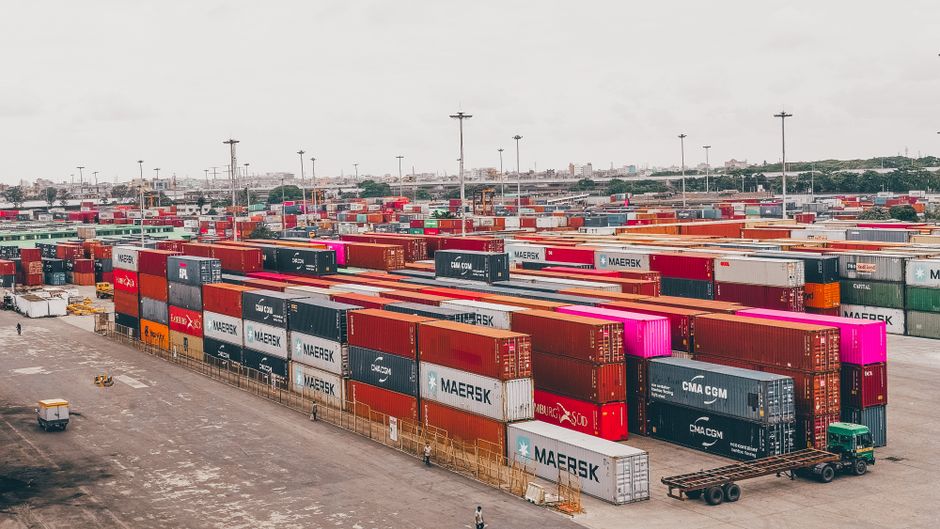
The economic benefits projected from the NSW's implementation are substantial. Analysts and government officials anticipate a dramatic reduction in cargo clearance times, from the current average of 18 to 21 days to under 48 hours. Some projections even suggest average cargo dwell time could be reduced to under seven days, with export processing timelines cut to two or three days. This efficiency gain alone is expected to significantly boost trade velocity and reduce operational costs for businesses.
Furthermore, the NSW is poised to unlock significant financial advantages. Dele Kelvin Oye, Chairman of the Alliance for Economic Research and Ethics (AERE), forecasts that the platform could attract up to $3 billion in logistics investment over five years and generate approximately $18 million in annual efficiency savings for the country. The Minister of Marine and Blue Economy, Adegboyega Oyetola, has also indicated that the initiative strategically aims to eradicate revenue leakages estimated to surpass $3 billion annually. Studies suggest that full adoption of the NSW could reduce logistics costs in Nigeria by as much as 25 to 30 percent.
Phased Rollout and Stakeholder Engagement
The initial phase of the NSW rollout, scheduled for March 27, will focus on enabling the online processing of import permits, electronic submission of cargo manifests, and the introduction of a centralized risk management system. To ensure a smooth transition, nationwide user training is currently underway, and pilot testing is set to commence shortly. The National Single Window Secretariat, in collaboration with the Nigeria Customs Service, has intensified stakeholder engagement through a series of sensitisation sessions held in major trade hubs including Lagos, Port Harcourt, and Kano. These two-day programs aim to prepare both government officials and private sector stakeholders, including licensed customs agents, freight forwarders, port operators, exporters, and importers, for the digitally integrated trade system.
Addressing Historical Challenges and Future Prospects
Nigeria's journey towards a single window system has faced hurdles in the past, with previous attempts in 2009 and 2012 faltering due to factors such as inter-agency rivalry, institutional resistance, and a lack of sustained political backing. However, the renewed effort, championed by President Tinubu, is demonstrating robust political will and inter-agency collaboration.
While the benefits are clear, some concerns have been raised, notably by Dele Kelvin Oye, regarding the decision to domicile the NSW within the Nigeria Revenue Service (NRS) rather than a trade promotion agency like the Nigeria Investment Promotion Council (NIPC). He argues this model risks conflating trade facilitation with tax enforcement, departing from global best practices seen in countries like Singapore and Ghana.
Despite these considerations, the overwhelming sentiment among stakeholders is one of optimism. The successful launch and sustained implementation of the National Single Window on March 27, 2026, promises to be a game-changer, fundamentally reshaping Nigeria's position in global trade and driving significant economic growth and efficiency across its maritime and logistics sectors. This digital leap forward is expected to align Nigeria with global standards for trade facilitation, making it a more attractive hub for international commerce.