Intro: Around Mama Ngozi's roadside stall in Oshodi, the usual hustle and bustle continues. The aroma of simmering pepper soup mixes with the cacophony of hawkers and blaring car horns. Yet, beneath this vibrant surface, a quiet anxiety lingers. Every rise in fuel prices, every prolonged power outage, every struggle to send children to school – these are the daily realities that shape life here. So, when the news trickles down about Nigeria 'betting big' on another oil licensing round in 2026, the question on everyone's lips isn't 'how much oil will be found?' but rather, 'will this one finally make a difference to our lives?'
What Is Happening on the Ground
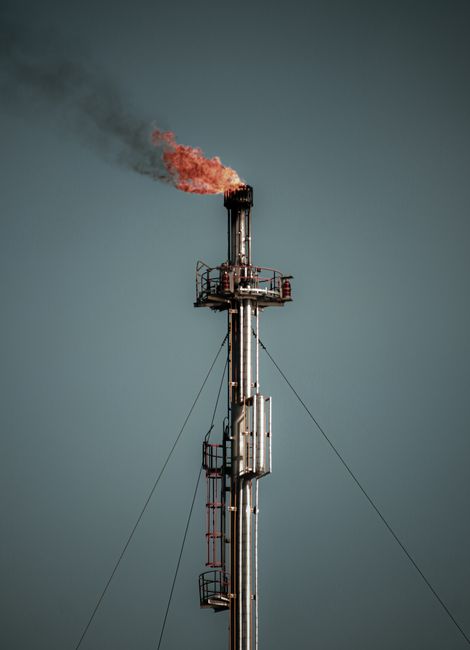
Our government, through the Nigerian Upstream Petroleum Regulatory Commission (NUPRC), is gearing up for a major push to attract new investments into our oil and gas sector. They're planning a new licensing round for 2026, opening up opportunities for both local and international companies to explore for crude oil and gas in various blocks across the country. This isn't entirely new; Nigeria has held several such rounds over the years, all aimed at boosting production, increasing revenue, and hopefully, bringing prosperity to our nation. The expectation is that new discoveries and increased production will translate into more foreign exchange, a stronger naira, and ultimately, a better economy for everyone. The NUPRC's focus on deep offshore and frontier basins shows a commitment to tapping into unexplored reserves, moving beyond the traditional Niger Delta areas. This is being presented as a strategic move to unlock Nigeria's full hydrocarbon potential and ensure energy security for the nation and the continent.
“They always tell us about new oil deals and billions of dollars, but the price of garri keeps going up, and the light still blinks. Will this money ever reach us?” asks a visibly frustrated Baba Emeka, a retired civil servant sipping palm wine at a local bar in Port Harcourt. His sentiment echoes across countless homes, where the promise of oil wealth often feels like a distant dream, far removed from the daily grind.
The Main Issues
The core of the issue lies in the historical disconnect between oil wealth and the welfare of the average Nigerian. Despite being Africa's largest oil producer, Nigeria grapples with widespread poverty, inadequate infrastructure, and a struggling healthcare system. The narrative from successive governments has consistently been that increased oil revenue will solve these problems. Yet, the reality on the ground often tells a different story. The governance realities surrounding our oil sector are complex and, at times, opaque. Concerns about transparency in licensing processes, accountability in revenue management, and the equitable distribution of oil wealth persist. This new licensing round, while offering potential economic benefits, also brings to the forefront the urgent need for robust frameworks to ensure that the proceeds truly benefit the common man and not just a select few. The impact of oil exploration on the environment, particularly in the Niger Delta, remains a significant concern, often leading to community unrest and further marginalization of local populations who bear the brunt of environmental degradation without seeing commensurate benefits.

- Nigeria is Africa's largest oil producer, yet a significant portion of its population lives below the poverty line.
- Oil revenues historically account for a large percentage of government earnings and foreign exchange.
- The 2026 licensing round aims to attract new investment, potentially increasing reserves and production.
- Past licensing rounds have faced criticism regarding transparency and the effective utilization of funds for public welfare.
The Impact on Daily Life
For the everyday Nigerian, the impact of these grand oil plans is felt most acutely in their pockets and their daily struggles. When global oil prices are high, there's often hope that the government will have more money to invest in critical sectors like education, healthcare, and infrastructure. However, this rarely translates into immediate, tangible improvements. Instead, what many experience are the ripple effects of a volatile oil market: fluctuating fuel prices at the pump, which directly affect transportation costs and the price of goods in the market; and an unstable national currency, which makes imported goods, including vital medicines and foodstuffs, more expensive. The youth, who make up a significant portion of our population, are particularly vulnerable. Despite the oil wealth, unemployment rates remain stubbornly high, pushing many into precarious informal sector jobs or leading them to pursue dangerous migration routes in search of better opportunities. They see the vast sums talked about in the oil sector but rarely feel the benefit, leading to disillusionment and a sense of being left behind. Moreover, the focus on oil often overshadows the urgent need for economic diversification into other sectors like agriculture, technology, and manufacturing, which could provide more stable and sustainable employment opportunities for a broader segment of the population. Without proper management and transparency, the 'betting big' on oil could simply perpetuate a cycle where wealth is generated but not equitably distributed, further widening the gap between the rich and the poor and fueling social unrest.
What Needs to Be Done
If this 2026 oil licensing round is truly to be different, a fundamental shift in approach is required. Firstly, **unprecedented transparency** must be the cornerstone of the entire process. Every step, from the bidding process to the allocation of blocks and the subsequent revenue generated, should be open to public scrutiny. This means clear guidelines, public disclosure of bids, and accessible reporting on how every naira earned is spent. Secondly, there must be a **concrete, enforceable plan for revenue utilization** that prioritizes human development. A significant portion of the expected revenue should be ring-fenced for critical sectors like education, healthcare, and infrastructure projects that directly impact ordinary Nigerians, rather than being absorbed into the general budget with little accountability. Thirdly, **economic diversification** cannot remain just a buzzword. The government must use a portion of the oil revenue to actively invest in and support other sectors, creating a robust economy less reliant on a single commodity. This includes providing incentives for local manufacturing, supporting small and medium-sized enterprises (SMEs), and investing in skills development for our youth in non-oil sectors. Lastly, genuine **community engagement and environmental protection** are paramount. The lessons from the Niger Delta must be learned; communities directly affected by oil exploration must be partners, not merely recipients of minimal CSR initiatives. Their environmental concerns must be addressed with concrete actions, and a fair share of the benefits must reach them directly. Without these deliberate and committed actions, the 2026 oil licensing round risks becoming just another headline, another promise, while Mama Ngozi and Baba Emeka continue to grapple with the same old struggles.
| Category | Government Projection (New Licensing Round) | Actual Impact on Daily Life (Past Trends) |
|---|---|---|
| Increased National Revenue | Billions of US Dollars Annually | Marginal improvement in public services; high inflation. |
| Job Creation | Thousands of direct and indirect jobs. | Limited highly skilled jobs; persistent youth unemployment. |
| Infrastructure Development | Funding for roads, power, healthcare. | Slow progress; projects often delayed or abandoned. |
| Economic Diversification | Investment in non-oil sectors. | Continued reliance on oil; minimal growth in other key sectors. |