The geopolitical landscape, particularly the escalating tensions in the Middle East involving the United States, Israel, and Iran, has cast a long shadow over Africa’s economic prospects as of March 2026. This complex interplay of global power dynamics directly impacts energy prices, supply chains, and overall economic stability across the continent, presenting a mixed bag of challenges and limited opportunities for African nations.
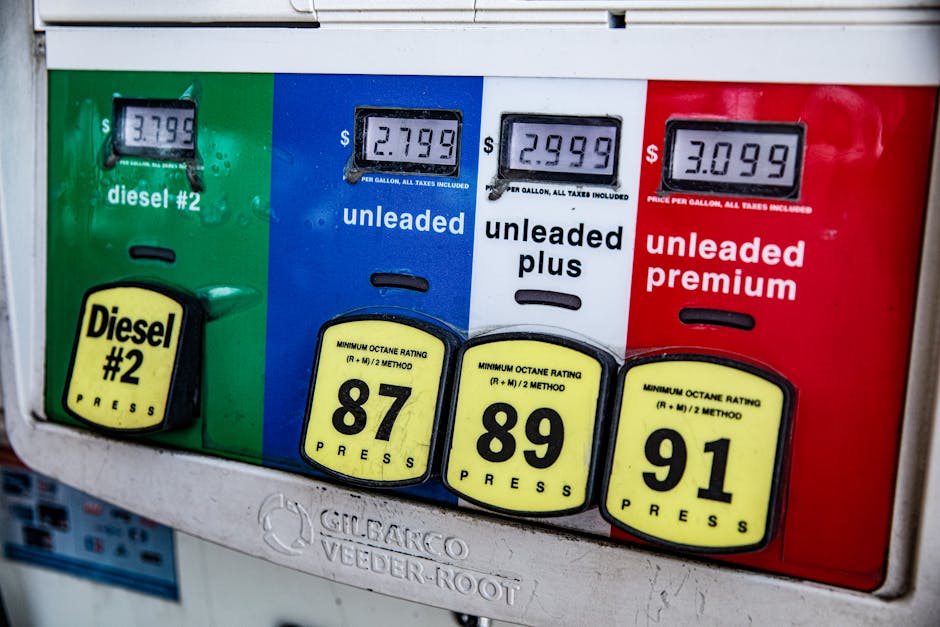
The most immediate and palpable effect of the heightened Middle East conflict is the volatility in global oil prices. Brent crude, a key international benchmark, has seen dramatic fluctuations. Prior to the conflict's escalation, prices hovered around $60 to $73 per barrel. However, in the wake of strikes and counter-strikes, Brent crude briefly surged to as high as $119–$120 per barrel before settling around $92–$100 per barrel in mid-March 2026. Goldman Sachs analysts, for instance, project Brent crude to average over $100 per barrel in March before easing to approximately $85 in April, underscoring the ongoing instability.
This surge in oil prices has bifurcated Africa's economic experience. For the majority of African nations, which are net oil importers, the scenario is dire. Increased fuel import bills are depleting foreign exchange reserves, weakening local currencies, and exerting immense pressure on public finances already strained by elevated debt levels. Countries like South Africa have witnessed their currency, the Rand, depreciate by over 1% since the initial airstrikes, trading around R16.34 to R17 against the U.S. dollar. Early March 2026 saw South Africa implement a 20-cent-per-liter increase in petrol prices and a steeper 62 to 65 cents per liter rise for diesel, with economists warning of further increments.
Inflationary Pressures and Cost of Living Crisis
The transmission of higher international oil prices into domestic economies is fueling inflation, a persistent challenge for many African states. Nigeria, a significant oil producer but also a substantial importer of refined petroleum products, faces a particularly complex situation. While the Nigerian government stands to benefit from increased crude oil export earnings – with its 2026 budget benchmarked at $65 per barrel, a sustained rise to $80-$100 per barrel could translate into an additional $5.1 billion annually for every $10 price increase, assuming production of 1.4 million barrels per day – the average Nigerian citizen is grappling with a rapidly escalating cost of living.
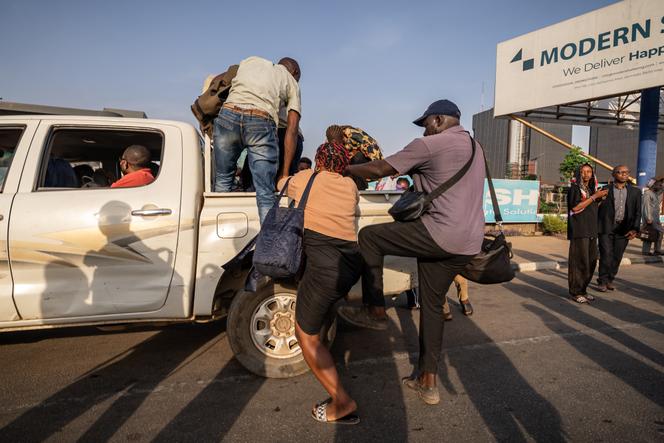
Experts predict that domestic petrol prices in Nigeria, which were around N800 per liter before the crisis, could surge to between N1,200 and N1,500 per liter due to higher landing costs for imported refined fuels. This directly impacts transportation fares and, consequently, food prices, given the energy-intensive nature of logistics and agriculture. Small businesses are struggling with soaring operating expenses, and consumer purchasing power is significantly eroded.

Data Analysis: Economic Headwinds Across Key African Economies
Economic Impact Snapshot (March 2026)
The conflict in the Middle East has introduced significant uncertainty, directly affecting African economies through multiple channels. Our analysis highlights the divergent fortunes and exacerbated inflationary pressures:
- Oil Prices: Brent Crude, which was previously forecasted to average below $60/barrel in Q1 2026 by the EIA, has instead surged to $92-$100/barrel in mid-March, with a brief spike near $120/barrel. This 40-50% increase in recent weeks has significant implications.
- African GDP Growth: Initial forecasts for Africa's economic growth in 2026 stood at a resilient 4.0% to 4.3%. However, regional energy regulators now warn that persistent fuel shortages and high oil prices could shave 1 to 3 percentage points off this projected growth.
- Inflationary Pressure: For net oil importers, rising global oil prices directly translate to higher domestic fuel costs and broader inflation. In South Africa, early March saw petrol prices rise by 20 cents/liter and diesel by 62-65 cents/liter, with the Rand weakening by over 1% against the USD. Nigeria anticipates petrol prices to jump from ~N800/litre to N1,200-N1,500/litre if tensions persist.
- Trade Disruptions: The effective closure or significant disruption of critical trade corridors like the Strait of Hormuz and the Red Sea has led to increased shipping costs and insurance premiums, further pushing up import prices across the continent.
The collective impact underscores a precarious economic environment where external shocks threaten to undo recent progress in macroeconomic stability and monetary easing cycles. African central banks, including Nigeria and South Africa, which had been cutting interest rates, now face renewed pressure to tighten monetary policy to curb inflation.
Beyond fuel, the disruption of critical shipping routes like the Strait of Hormuz and the Red Sea corridor significantly increases freight costs and insurance premiums. This makes imported goods, from machinery to pharmaceuticals, more expensive for African economies and erodes the competitiveness of African exports like agricultural produce and minerals in global markets. Shipping companies such as MSC and MCA are redirecting vessels, leading to emergency costs and supply chain bottlenecks.
Investment flows and remittances are also at risk. Gulf countries, increasingly important investors in African infrastructure, agriculture, and real estate, may scale back their commitments as their own fiscal and security priorities shift amid regional instability. Similarly, the billions of dollars sent home annually by Africans working in the Gulf could diminish, cutting off a vital lifeline for many families and impacting national foreign exchange reserves.
Charting the Economic Shift: Fuel Price & Growth Impact
African Economic Indicators: Pre- & Post-Tensions (March 2026)
These mounting pressures threaten to derail Africa's economic recovery. Initial projections for African economic growth in 2026 stood at a robust 4.0% to 4.3%, according to reports from the UN and African Development Bank. However, the CEO of the Regional Association of Energy Regulators for Eastern and Southern Africa, Geoffrey Aori, warned that a prolonged conflict in the Middle East could shave between one and three percentage points off this forecast, potentially reducing growth to as low as 1.0%-3.3%. Most African countries possess fuel reserves for only 15 to 25 days, significantly short of the International Energy Agency's recommended 90 days, highlighting a severe vulnerability.
Policy Responses and Future Outlook
African governments and central banks are facing a delicate balancing act. Many central banks, including Nigeria and Kenya, had recently embarked on interest rate cutting cycles to stimulate growth following post-COVID-19 and Ukraine war inflation. However, the resurgence of energy-driven inflation risks reversing this trend, with policymakers potentially forced to raise rates to maintain price stability. Measures such as fuel rationing and short-term subsidies are being considered, but their sustainability is questionable.
The current crisis serves as a stark 'wake-up call' for the continent to reduce its over-reliance on volatile global fossil fuel markets and accelerate investments in alternative energy sources and electric vehicles. Ethiopia's commitment to electrifying its road transport system is cited as a commendable example of a proactive measure to mitigate future shocks. While the Middle East tensions present significant headwinds, they also underscore the urgent need for African economies to bolster structural resilience, diversify revenue streams, and strategically invest in local value addition.