Recent reports and public discourse have highlighted a concerning trend in Nigeria's petroleum sector: the increasing cost of Premium Motor Spirit (PMS), commonly known as petrol, with some areas reportedly experiencing prices nearing N1200 per litre. This escalation is frequently attributed, in part, to geopolitical instability, particularly the ongoing conflicts in the Middle East. As a top-tier Nigerian tech publication, we delve into the intricate web of global events and domestic economic realities to fact-check this premise and provide an objective analysis of its implications for the nation.
Global Tensions, Local Impact: The Middle East Factor
The Middle East, a pivotal region for global oil supply, experiences heightened volatility due to various geopolitical conflicts. While the direct output impact of these conflicts on overall global supply has varied, the primary mechanism of influence is through increased risk premiums and disruptions to key shipping lanes. Incidents affecting critical maritime passages, such as the Red Sea, inflate shipping and insurance costs for crude oil and refined products alike. For a country like Nigeria, which relies heavily on imported refined petroleum products despite being a crude oil exporter, these global supply chain shocks translate directly into higher landing costs for PMS.
Nigeria's Unique Vulnerability: Producer, Importer, and Forex Woes
Nigeria's energy landscape presents a complex paradox. As one of Africa's largest crude oil producers, theoretically, it should be buffered from global price hikes. However, decades of inadequate refining capacity have rendered Nigeria a net importer of refined petroleum. The removal of the petrol subsidy in May 2023 further exposed the market to international pricing dynamics. Moreover, the significant depreciation of the Nigerian Naira against major international currencies exacerbates the problem. Since refined products are purchased in dollars, a weaker Naira means more Naira is required to buy the same quantity of fuel, irrespective of the global crude price.
Therefore, the connection between Middle East tensions and Nigeria's fuel prices is not straightforward. It's a multi-layered equation:
- Global Crude Price: Geopolitical risks can push international crude benchmarks (like Brent) higher, increasing the cost for Nigerian importers.
- Shipping & Insurance: Supply chain disruptions raise logistics costs.
- Foreign Exchange Rate: The most significant domestic variable, as the cost of importing PMS is denominated in dollars.
Fact-Checking the N1200/Litre Price Point
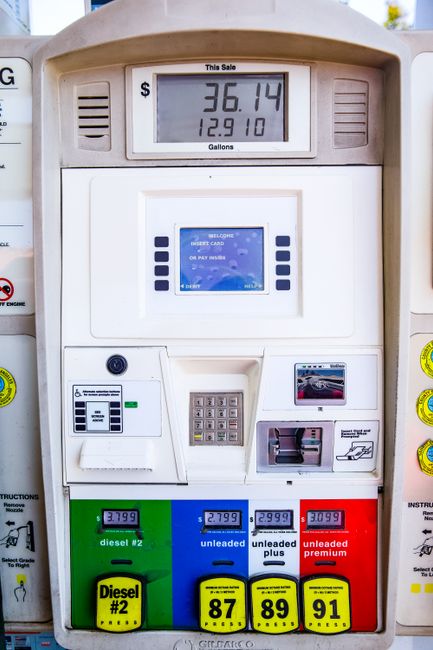
Regarding the N1200 per litre price point: While the official national average pump price for PMS has not reached this figure, reports from various parts of Nigeria, particularly in states with logistical challenges or areas experiencing scarcity, indicate that prices have indeed soared significantly above the N600-N700 range. Independent marketers and unofficial vendors, capitalizing on supply chain inefficiencies and arbitrage opportunities, have been observed selling petrol at much higher rates, sometimes nearing or exceeding N1000. These price spikes are not uniformly distributed but represent the lived reality for many Nigerians facing exorbitant transportation and energy costs.
It is critical to distinguish between official pump prices, which are regulated (though adjusted), and market realities influenced by supply, demand, logistics, and speculative activities. The 'ongoing war' in the Middle East contributes to the global crude oil price volatility and shipping costs, which are foundational elements influencing the landing cost of refined products. When combined with Nigeria's volatile foreign exchange market and persistent logistical hurdles, the stage is set for the significant price increases observed across the country.
The Path Forward: Technological Solutions and Policy Adjustments
Addressing this complex challenge requires a multi-pronged approach. From a technological perspective, investments in local refining capacity, potentially through modular refineries and leveraging advanced process automation, could significantly reduce import dependency. Furthermore, robust data analytics platforms can provide greater transparency in the supply chain, helping to curb arbitrary price hikes and improve distribution efficiency. For consumers, the integration of digital payment systems and price monitoring apps could empower better decision-making.
Ultimately, while global events are beyond Nigeria's control, strengthening domestic refining, stabilizing the Naira, and enhancing transparency and efficiency in the petroleum supply chain are crucial steps to mitigate the impact of external shocks and ensure energy security for the nation.
Recent reports and public discourse have highlighted a concerning trend in Nigeria's petroleum sector: the increasing cost of Premium Motor Spirit (PMS), commonly known as petrol, with some areas reportedly experiencing prices nearing N1200 per litre. This escalation is frequently attributed, in part, to geopolitical instability, particularly the ongoing conflicts in the Middle East. As a top-tier Nigerian tech publication, we delve into the intricate web of global events and domestic economic realities to fact-check this premise and provide an objective analysis of its implications for the nation.
Global Tensions, Local Impact: The Middle East Factor
The Middle East, a pivotal region for global oil supply, experiences heightened volatility due to various geopolitical conflicts. While the direct output impact of these conflicts on overall global supply has varied, the primary mechanism of influence is through increased risk premiums and disruptions to key shipping lanes. Incidents affecting critical maritime passages, such as the Red Sea, inflate shipping and insurance costs for crude oil and refined products alike. For a country like Nigeria, which relies heavily on imported refined petroleum products despite being a crude oil exporter, these global supply chain shocks translate directly into higher landing costs for PMS.
Nigeria's Unique Vulnerability: Producer, Importer, and Forex Woes
Nigeria's energy landscape presents a complex paradox. As one of Africa's largest crude oil producers, theoretically, it should be buffered from global price hikes. However, decades of inadequate refining capacity have rendered Nigeria a net importer of refined petroleum. The removal of the petrol subsidy in May 2023 further exposed the market to international pricing dynamics. Moreover, the significant depreciation of the Nigerian Naira against major international currencies exacerbates the problem. Since refined products are purchased in dollars, a weaker Naira means more Naira is required to buy the same quantity of fuel, irrespective of the global crude price.
Therefore, the connection between Middle East tensions and Nigeria's fuel prices is not straightforward. It's a multi-layered equation:
- Global Crude Price: Geopolitical risks can push international crude benchmarks (like Brent) higher, increasing the cost for Nigerian importers.
- Shipping & Insurance: Supply chain disruptions raise logistics costs.
- Foreign Exchange Rate: The most significant domestic variable, as the cost of importing PMS is denominated in dollars.
Fact-Checking the N1200/Litre Price Point
Regarding the N1200 per litre price point: While the official national average pump price for PMS has not reached this figure, reports from various parts of Nigeria, particularly in states with logistical challenges or areas experiencing scarcity, indicate that prices have indeed soared significantly above the N600-N700 range. Independent marketers and unofficial vendors, capitalizing on supply chain inefficiencies and arbitrage opportunities, have been observed selling petrol at much higher rates, sometimes nearing or exceeding N1000. These price spikes are not uniformly distributed but represent the lived reality for many Nigerians facing exorbitant transportation and energy costs.
It is critical to distinguish between official pump prices, which are regulated (though adjusted), and market realities influenced by supply, demand, logistics, and speculative activities. The 'ongoing war' in the Middle East contributes to the global crude oil price volatility and shipping costs, which are foundational elements influencing the landing cost of refined products. When combined with Nigeria's volatile foreign exchange market and persistent logistical hurdles, the stage is set for the significant price increases observed across the country.
The Path Forward: Technological Solutions and Policy Adjustments
Addressing this complex challenge requires a multi-pronged approach. From a technological perspective, investments in local refining capacity, potentially through modular refineries and leveraging advanced process automation, could significantly reduce import dependency. Furthermore, robust data analytics platforms can provide greater transparency in the supply chain, helping to curb arbitrary price hikes and improve distribution efficiency. For consumers, the integration of digital payment systems and price monitoring apps could empower better decision-making.
Ultimately, while global events are beyond Nigeria's control, strengthening domestic refining, stabilizing the Naira, and enhancing transparency and efficiency in the petroleum supply chain are crucial steps to mitigate the impact of external shocks and ensure energy security for the nation.