In a landmark move set to redefine the automotive landscape of Africa, Chinese automotive giant Chery has officially confirmed the acquisition of Nissan's manufacturing plant in Rosslyn, South Africa. This strategic takeover paves the way for Chery to commence local vehicle production by the end of 2027, with a significant focus on electric vehicles (EVs) and other 'new energy' vehicle types. The announcement, made at the 6th annual South Africa Investment Conference (SAIC 2026), signals a profound shift from import-dependency to robust local manufacturing, positioning South Africa as a burgeoning hub for advanced automotive technology on the continent.
A Strategic Transition for South African Automotive
The agreement, reached in January 2026 and anticipated to conclude by mid-2026, sees Chery taking ownership of the land, buildings, and associated assets of the Nissan facilities, including its nearby stamping plant in Rosslyn, Pretoria. This acquisition marks the end of Nissan's 60-year manufacturing presence in South Africa, which saw production volumes at the Rosslyn plant decline to around 17,000 units in 2024, a significant drop from over 54,000 units in 2012. Nissan's Navara bakkie production is slated to conclude in May 2026, though the Japanese automaker will continue its sales and distribution operations in the country as an importer.
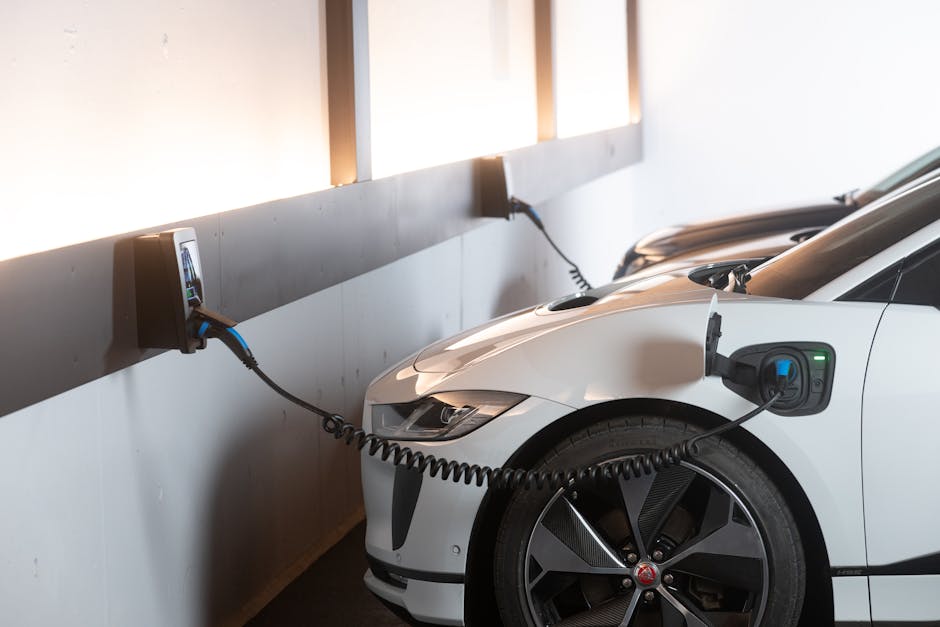
For Chery, this represents a pivotal step in its global expansion strategy. Charlie Zhang, Chery International Executive Vice President, emphasized the company's long-term commitment. The Rosslyn plant will undergo extensive retrofitting and recommissioning over the next 12 to 18 months to accommodate the manufacturing of multiple vehicle models, including electrified vehicles such as hybrids, plug-in hybrids, and battery electric vehicles, alongside internal combustion engine (ICE) models.
'Chery's investment in South Africa is not only an important step in the company's globalization development, but also our long-term commitment to the economic and industrial development of South Africa.'
— Charlie Zhang, Executive Vice President, Chery International

Economic Impact and Future Outlook
This substantial investment is projected to have a significant positive impact on the South African economy, with estimates suggesting the creation of nearly 3,000 jobs, encompassing manufacturing, supply chain, and services sectors. Furthermore, Chery plans to establish a local supplier base, further stimulating regional economic growth. The move also aims to leverage South Africa's position as a leading automotive base for exports across the African continent and even to European markets, responding to the global trend of localizing production to mitigate tariffs and regulatory complexities.
Chery's re-entry into the South African market four years ago has been met with considerable success, solidifying its position as a consistent top-ten player in local sales, with an impressive average of 50,000 units sold annually through an expanding network of 150 dealers nationwide. This strong market reception was a key factor in Chery's decision to invest in local production.
The transition of the Rosslyn plant from Nissan's dwindling production to Chery's ambitious EV manufacturing plans vividly illustrates the shifting dynamics of the global automotive industry. Below is a comparative glance at the annual vehicle production/sales in South Africa:
This investment underscores a pivotal moment for South Africa, reinforcing its role in the global automotive supply chain and driving forward the adoption of electric mobility across the continent. The collaboration between a global Chinese automotive powerhouse and South Africa's established manufacturing capabilities promises a dynamic future for the region's auto tech sector.