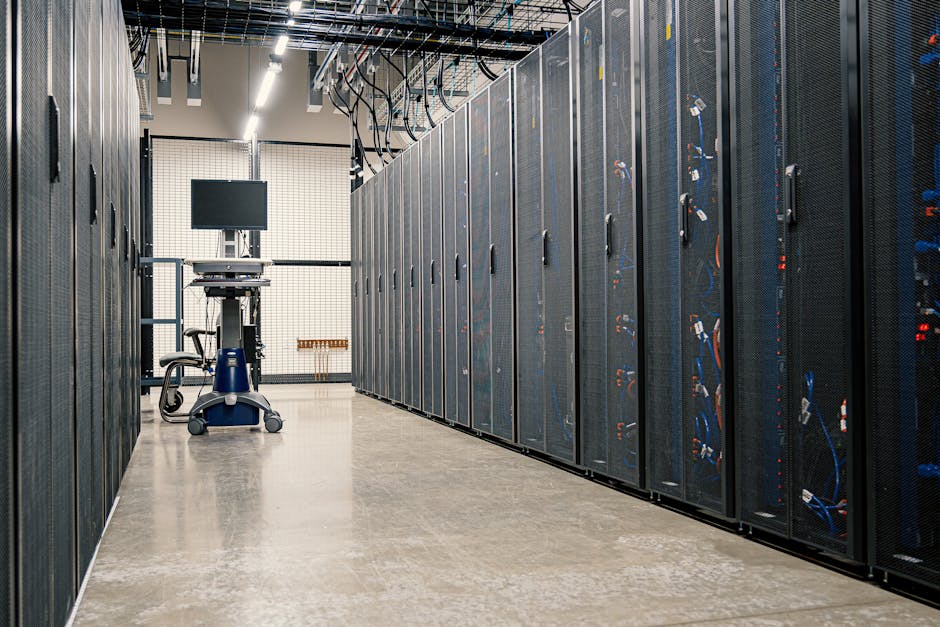
Africa stands at the cusp of a profound digital transformation, a revolution underscored by a fierce scramble for local data centers and robust digital infrastructure. Once primarily reliant on offshore hosting and international connectivity, the continent is now rapidly building its own digital backbone, driving an unprecedented surge in local capacity and fostering a new era of digital sovereignty. This shift isn't merely about technological advancement; it's a fundamental re-architecting of Africa's economic future, promising lower latency, enhanced data security, and a fertile ground for innovation.
The Imperative for Localisation: Why Now?
The demand for local data centers in Africa is multifaceted, driven by a confluence of economic, regulatory, and technological factors. Firstly, data sovereignty and compliance are becoming paramount. As more African nations enact data protection laws, such as Nigeria's NDPR or Kenya's Data Protection Act, the need to store sensitive user data within national borders grows. This ensures adherence to legal frameworks, mitigates cross-border data transfer complexities, and builds trust among citizens and businesses.
Secondly, latency is a critical performance metric in the digital age. For applications ranging from financial transactions and real-time gaming to cloud computing and streaming services, milliseconds matter. Storing data closer to end-users drastically reduces latency, improving user experience, enabling faster service delivery, and fostering the adoption of more sophisticated digital solutions. This is particularly crucial for the burgeoning fintech sector, e-commerce platforms, and the increasing demand for high-quality streaming content across the continent.
Furthermore, the economic multiplier effect cannot be overstated. The construction and operation of data centers create jobs, stimulate local economies through demand for power, cooling, security, and specialized IT skills. They also attract foreign direct investment and serve as magnets for tech startups and enterprises seeking reliable, high-performance infrastructure.
Key Players and the Investment Surge
The 'scramble' for Africa's cloud frontier involves a diverse array of players. Global cloud giants like Amazon Web Services (AWS), Microsoft Azure, and Google Cloud have already established or are in the process of establishing cloud regions and availability zones in strategic African markets, primarily South Africa, with plans for further expansion. Their entry validates the market potential and sets a high bar for infrastructure standards.
Alongside these international behemoths, a vibrant ecosystem of local and regional data center providers is flourishing. Companies like Teraco in South Africa, Rack Centre and MainOne (an Equinix company) in Nigeria, and others across East and North Africa are building carrier-neutral facilities that serve a wide array of clients, from telecommunications companies and internet service providers to large enterprises and government agencies. These local players often possess a deeper understanding of the unique challenges and opportunities within their respective markets, from navigating regulatory landscapes to sourcing reliable power solutions.

Investment in this sector has seen a sharp uptick. Billions of dollars are being poured into building new facilities, expanding existing ones, and upgrading connectivity. Submarine cable projects, such as the 2Africa cable and Google's Equiano, are dramatically increasing international bandwidth, while national fiber backbones are extending reach into secondary cities and rural areas. This holistic approach to infrastructure development is critical for ensuring that the benefits of localized data centers are widely distributed across the continent.
Challenges and the Path Forward
Despite the immense potential, the journey to a fully realized digital infrastructure in Africa is not without its hurdles. The most significant challenge remains access to reliable and affordable power. Many African countries grapple with inconsistent national grids, necessitating heavy investment in backup generators, renewable energy solutions, and efficient cooling systems for data centers. Addressing this requires robust energy policies, private-public partnerships in power generation, and a push towards sustainable energy sources.
Another critical area is the development of a skilled workforce. Operating and maintaining state-of-the-art data centers requires specialized expertise in network engineering, cybersecurity, data management, and cloud architecture. Investing in education, vocational training, and capacity building programs is essential to ensure that African talent can drive and benefit from this digital revolution.
Regulatory consistency and ease of doing business are also key. While progress has been made, harmonizing data protection laws across regions, streamlining permit processes, and creating stable policy environments will further accelerate investment and growth. Furthermore, bridging the 'last mile' connectivity gap remains crucial, ensuring that the benefits of high-speed internet and localized data centers reach remote communities.
The Future: A Connected and Empowered Africa
The scramble for local data centers and digital infrastructure growth is more than just a race for market share; it's a foundational effort to empower Africa for the digital age. As more data is processed, stored, and managed within the continent, African businesses will gain unprecedented agility, governments will enhance service delivery, and individuals will access a richer, more responsive digital experience. The continent is rapidly moving towards a future where its digital destiny is controlled locally, fostering innovation, creating wealth, and connecting its diverse populations like never before. The cloud frontier is not just being explored; it is being built, brick by digital brick, by Africa itself.