Intro: The soaring price of a loaf of bread, the endless wait for public transport, the erratic power supply – these are the daily realities that bite deep into the pockets of everyday Nigerians. We often grumble about 'our leaders,' pointing fingers at corruption and inefficiency. But have we ever stopped to ask a fundamental question: who is actually paying for this democracy we claim to practice? The answer, or rather the lack of clear, transparent answers, holds the key to many of our struggles and determines whether the voice of the people can truly be heard. If the foundations of our democracy are bought and paid for by a select few, then the entire structure will inevitably serve those few, leaving the common citizen to bear the brunt of misgovernance.
What Is Happening on the Ground
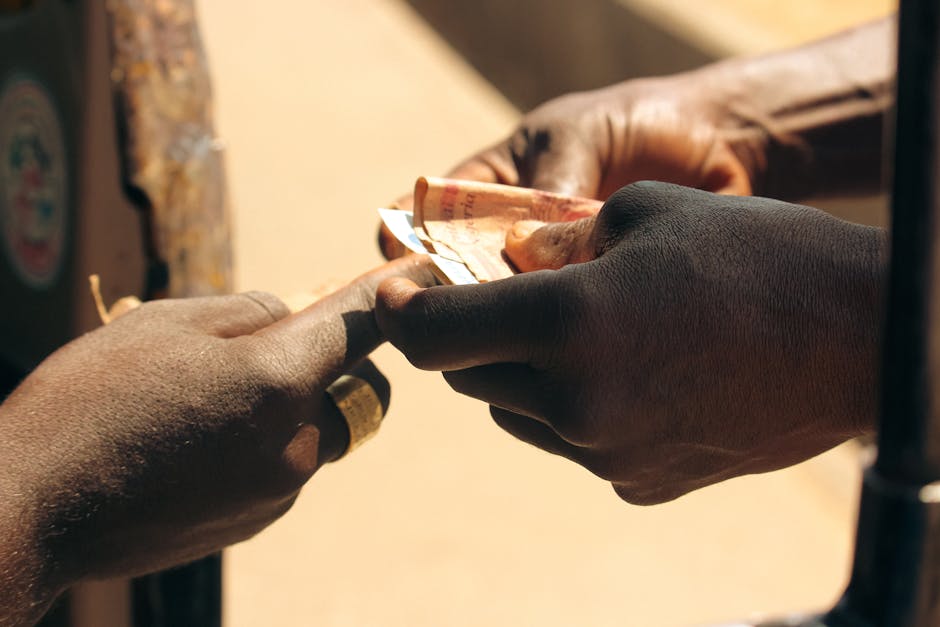
From the dusty streets of Kano to the bustling markets of Lagos, the cost of living continues its relentless climb. Every election cycle, we witness lavish campaigns, emblazoned with glossy billboards and promises that seem too good to be true. But where does all that money come from? Political parties in Nigeria operate with a significant shroud of secrecy when it comes to their finances. The law requires disclosure of funding, but enforcement is often weak, leaving ample room for 'godfathers' and powerful business interests to bankroll candidates. These individuals and groups don't just invest out of patriotism; they expect a return on their investment, often in the form of juicy government contracts, appointments, or policies tailored to their advantage. This deeply entrenched system means that public office becomes less about service and more about recovering campaign costs, leading directly to the widespread corruption that starves our hospitals, schools, and infrastructure projects of vital funds. The ordinary Nigerian, struggling to put food on the table, often sees politics as a distant, dirty game for the rich, further disconnecting them from the democratic process that is supposed to represent their interests.
"Democracy, they say, is government of the people, by the people, for the people. But here, it feels like it's government of the rich, by the powerful, for themselves," a market woman in Oshodi lamented recently, echoing the sentiments of many.
The Main Issues
The challenge of funding democracy in Nigeria is multifaceted and deeply rooted in our political economy. Firstly, there's the pervasive issue of lack of transparency and accountability in political party financing. While the Electoral Act specifies limits on campaign donations and expenditure, these rules are routinely flouted, and monitoring bodies often lack the capacity or independence to enforce them. This opacity allows for illicit funds – from proceeds of crime to money laundered through various fronts – to enter the political system, compromising the integrity of elections and governance itself.
Secondly, the exorbitant cost of running for office and campaigning in Nigeria is a major barrier. From party primaries to general elections, candidates need substantial financial muscle to purchase nomination forms, mobilize supporters, run media campaigns, and even, regrettably, engage in vote-buying. This high financial bar effectively excludes many competent and honest individuals who lack access to wealth, leaving the political arena open mainly to the affluent or those willing to be sponsored by questionable sources. This inevitably leads to a governance model where politicians are beholden to their financiers rather than the electorate.
Thirdly, there's the influence of money on policy decisions. When politicians are funded by specific powerful interests, their loyalty shifts. Instead of crafting policies that benefit the wider public – say, improving healthcare access or investing in renewable energy – they are pressured to prioritize projects or regulations that enrich their benefactors. This distorts resource allocation and diverts public funds from essential services, directly impacting the daily lives of citizens who rely on these services.
Finally, the weakness of regulatory institutions, such as the Independent National Electoral Commission (INEC) and anti-graft agencies, to effectively monitor and prosecute violations of campaign finance laws exacerbates the problem. Without robust oversight and swift justice, the cycle of illicit funding and corrupt governance continues unchecked, eroding public trust in democratic institutions and perpetuating a system that often feels rigged against the common man.

- Nigerian elections are consistently ranked among the most expensive globally, per voter.
- Current campaign finance laws are often poorly enforced, leading to widespread non-compliance.
- A significant portion of public funds is annually lost to corruption linked to politically motivated expenditures.
- Youth engagement in politics is frequently hindered by financial barriers and lack of opportunity, leading to widespread apathy.
The Impact on Daily Life
The question of who funds our democracy isn't some abstract political debate; it's a matter that hits every Nigerian directly in their pocket and impacts their quality of life. When public funds are diverted to repay political debts or line the pockets of corrupt officials, it means less money for vital services. Imagine a child attending a dilapidated school with no textbooks, a pregnant woman dying in a poorly equipped hospital, or a small business unable to thrive due to lack of reliable electricity or accessible roads. These are not isolated incidents; they are direct consequences of a political system compromised by opaque funding.
The pervasive corruption fueled by illicit political financing also drives up the cost of living. Government contracts are inflated, leading to higher prices for public projects, which ultimately come out of taxpayers' money or lead to increased national debt. This inflationary pressure affects everything from the price of food staples like rice and yam to transportation fares. For the average Nigerian, already grappling with a stagnant minimum wage and rising unemployment, this adds an unbearable burden.
Furthermore, the youth, who constitute the largest demographic, bear a disproportionate burden. Many young, brilliant minds find themselves disillusioned, seeing politics as an exclusive club for the wealthy and connected. This frustration often manifests in either apathy, disengagement, or in some tragic cases, an exodus of talent (the 'japa' syndrome) seeking better opportunities abroad. For those who remain, the struggle for survival can push them towards desperate measures, including involvement in illicit activities, as legitimate pathways to success seem blocked by systemic corruption. The dream of a meritocratic society, where hard work pays off, is constantly undermined by a political system that rewards patronage over competence.
Economic Reality Check: Minimum Wage vs. Cost of Living
What Needs to Be Done
Addressing the complex issue of democratic funding requires a multi-pronged approach involving government, civil society, and every Nigerian citizen. First and foremost, there must be a genuine political will to strengthen existing institutions. INEC must be truly independent and empowered with resources and unwavering judicial support to enforce campaign finance laws without fear or favor. Anti-graft agencies like the EFCC and ICPC need to be robustly funded and insulated from political interference, allowing them to investigate and prosecute all cases of illicit financing, regardless of the individual's political clout.
Secondly, we need radical transparency reforms in political party financing. This includes mandatory public disclosure of all party accounts, sources of funding, and detailed expenditure reports. Implementing technology-driven solutions for real-time reporting could significantly enhance accountability. Establishing an independent body to audit party finances annually, with findings made public, would also be a crucial step. This transparency should extend to campaign donations, with clear limits on individual and corporate contributions, and a ban on anonymous donations.
Thirdly, efforts must be made to reduce the exorbitant cost of governance and elections. Reforming the electoral process to make it less capital-intensive – perhaps through regulations on campaign advertising, public funding for certain aspects of campaigns, or reducing the costs of nomination forms – could level the playing field for aspiring leaders. Simplifying party structures and discouraging 'winner-takes-all' politics could also lessen the financial desperation often seen during elections.
Finally, and perhaps most importantly, citizen engagement and advocacy are paramount. Ordinary Nigerians must move beyond grumbling to actively demand accountability from their leaders. Through civil society organizations, community initiatives, and the power of social media, citizens can push for reforms, monitor political spending, and hold elected officials responsible. Educating ourselves about our rights and the implications of opaque political funding empowers us to make informed choices and reject candidates whose ascent is clearly funded by questionable sources. Supporting honest leaders and actively participating in local governance are crucial steps towards building a democracy that truly reflects the will and welfare of its people, rather than the interests of a select few. The future of our nation depends on our collective will to clean up the way our democracy is funded and sustained.