83
Jul 23
Tap to Start Live Broadcast
Acoustic Enhanced Speech & Dynamic Visual Stream
Osun State Governor Adeleke's ban on NURTW activities has been openly defied by the national union. This article explores the power struggle, its impact on daily life, youth survival, and what this governance crisis means for everyday Nigerians.
Intro: For the average Nigerian commuter, the motor park is more than just a bus stop; it's a bustling microcosm of our daily struggles and survival. It's where dreams take flight, goods are traded, and livelihoods are painstakingly earned. But when the very ground beneath these parks trembles under the weight of political tussles and power plays, it's the everyday citizen, especially our hardworking youth, who feels the seismic shift most acutely. In Osun State, a fierce battle for control of motor parks has erupted, pitting the state government against a national transport union, and leaving many wondering: who truly holds the reins?
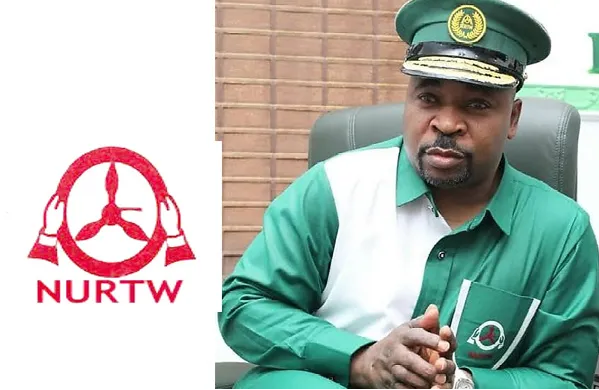
The streets of Osogbo, the capital of Osun State, usually echo with the familiar sounds of commercial activity, but lately, a new, unsettling rhythm has emerged – that of political defiance and administrative strong-arming. On Friday, the National Union of Road Transport Workers (NURTW) openly declared its refusal to obey Governor Ademola Adeleke's directive to suspend its operations in the state. This isn't just a simple disagreement; it's a full-blown face-off, reminiscent of past power struggles in states like Oyo and Lagos, where similar bans were met with staunch opposition. The union, through its Deputy National President, Aliyu Issa Ore, who was representing the widely known National President, Musiliu Akinsanya (popularly called MC Oluomo), wasted no time in inaugurating a seven-member caretaker committee for Osun in Abuja. Their message was clear: no state governor, they insist, possesses the legal authority to shut down a nationally recognized transport union. This position is rooted in their belief that the NURTW is established by an Act of Parliament, placing it beyond the direct control of state governments. The union argues it cannot leave its Osun chapter without recognized leadership, especially with a crucial governorship election looming, highlighting its existing Memorandum of Understanding (MoU) with the Independent National Electoral Commission (INEC) to play a role in election logistics. It's a classic case of federal authority versus state power, but with very local and very human consequences.
“Today, we heard that the state governor in Osun suspended the activities of our union, which they don’t have that power. Not any single state governor has power to suspend the activities of the union, because we are not under any state. There is an Act that established the NURTW.” – Aliyu Issa Ore, representing MC Oluomo.
This isn't just about who collects levies at the motor parks; it's about deeper structural and governance realities in Nigeria. First, there's the critical question of legal jurisdiction: Does a state governor have the power to unilaterally suspend the operations of a national body, or does such authority reside solely with the federal government or the judiciary? The NURTW firmly believes the latter, citing its foundational Act. This legal ambiguity often creates fertile ground for conflict and makes enforcement a nightmare, as seen in other states. Second, the issue of public safety cannot be overlooked. The state government’s initial suspension order was a direct response to “violent clashes between rival factions” in Osogbo, which had escalated security concerns. These clashes are not new; they represent a brutal struggle for control over lucrative park revenues, often involving young, unemployed men drawn into these factions, sometimes as a desperate means of survival. Third, the political dimension is undeniable. With an upcoming governorship election, the NURTW's stated MoU with INEC gives it a significant, albeit often controversial, role in the electoral process. The union's leadership is acutely aware of its strategic importance, and asserting control over its state chapters, particularly in politically charged environments, becomes paramount for maintaining its influence. For the state government, restoring order and asserting its authority over public spaces is a fundamental governance responsibility, but doing so without legal backing or through heavy-handed means can easily backfire, eroding public trust and deepening the cycle of defiance.
While governors and union leaders trade words, it's the ordinary Nigerian who pays the real price. For commuters, this administrative chaos translates directly into fear and uncertainty. Will fares suddenly spike? Will there be violence at the parks? Who is truly collecting the levies now, and where is that money going? The ban on levy collection, while well-intentioned, can create a vacuum that rogue elements might exploit, leading to unofficial, unregulated charges and a general state of anarchy. For the thousands of drivers, conductors, and ancillary workers whose livelihoods depend on the daily rhythm of motor park operations, this crisis is a direct hit to their pockets. Many are caught between loyalty to their union and the state's directives, often facing threats from rival factions. Youth who rely on informal jobs within the parks – loading luggage, calling passengers, selling snacks – find their already precarious existence threatened. In a country grappling with high youth unemployment, these informal economies are critical lifelines. Disruptions like this not only cut off income streams but can also push vulnerable youth into even more desperate situations, sometimes making them susceptible to recruitment by political thugs. The lack of clear authority also impacts local businesses around the parks, from food vendors to spare part dealers, whose customer base dwindles when parks become hotbeds of contention. This isn't just about transport; it's about the fabric of local commerce and community well-being fraying at the edges.
Consider the average daily earnings for park workers and how this disruption can cripple them:
| Role | Estimated Daily Income (Pre-Crisis) | Impact of Crisis (Potential Loss/Disruption) |
|---|---|---|
| Bus Driver | ₦8,000 - ₦15,000 | Reduced routes, fear of violence, illegal levies, potential total loss of income. |
| Conductor | ₦4,000 - ₦7,000 | Directly tied to driver's income, same risks apply. |
| Motor Park Tout (Agbero) | ₦3,000 - ₦6,000 (often unofficial) | Increased risk of arrest, loss of 'territory', potential for violent confrontations. |
| Street Vendor (around parks) | ₦2,000 - ₦5,000 | Fewer commuters, reduced sales, fear for safety. |
This persistent friction between state governments and national unions demands a multi-pronged approach that prioritizes stability, rule of law, and the welfare of citizens. First, there needs to be an urgent and impartial legal clarification of the jurisdictional boundaries. This could come through a definitive court pronouncement or a legislative amendment that clearly delineates the powers of state governments versus national bodies in regulating public transport. This would provide a clear framework, reducing the current ambiguity that fuels defiance. Second, dialogue is indispensable. Rather than outright bans and defiant declarations, both the Osun State Government and the NURTW national leadership must come to the table for constructive engagement. This dialogue should aim to establish a mutually agreeable framework for park management that ensures order, accountability, and the protection of workers’ rights, while also respecting state authority. Third, security agencies must maintain strict neutrality and focus on upholding law and order, irrespective of political affiliations. Any individual or group instigating violence must be promptly arrested and prosecuted to send a clear message that impunity will not be tolerated. Finally, for the sake of youth survival and local economies, innovative solutions are needed to formalize aspects of motor park operations, ensuring transparency in levy collection and providing better social security for transport workers. State governments could explore models that integrate former touts into legitimate employment schemes or provide training for other skills. This crisis in Osun is a stark reminder that when governance is contested, it's the most vulnerable who bear the heaviest burden, and it calls for leadership that looks beyond political mileage to address the fundamental needs of its people.