
Nigeria Governance
Nigeria's 2027 Crossroads: Navigating Money, Identity, and the Fight for Democracy
115
May 06

Tap to Start Live Broadcast
Acoustic Enhanced Speech & Dynamic Visual Stream
A new federal report reveals rampant corruption, torture, and 'human warehouses' in Nigerian prisons as of June 2026. Despite government claims of reform and reduced recidivism, severe overcrowding and commercialization of justice persist, raising critical questions about governance and human rights in Nigeria.
Abuja, Nigeria – June 4, 2026 – Hopes for genuine transformation within Nigeria’s notoriously decrepit correctional system have been dealt a severe blow. A damning three-volume report, submitted to the Federal Government this week, lays bare a landscape of systemic corruption, pervasive torture, and a justice system where human rights are openly commercialized. While authorities laud progress in some areas, the investigative panel’s findings paint a grim picture of facilities operating as 'human warehouses,' fundamentally undermining the nation's commitment to justice and rehabilitation.
The Special Investigative Panel on Abuse and Corruption in Nigeria Correctional Centres, inaugurated in November 2024 by the Minister of Interior, Dr. Olubunmi Tunji-Ojo, culminated an 18-month, 83-facility audit across 23 states. Chaired by the Permanent Secretary of the Ministry, Dr. Magdalene Ajani, the panel was tasked with examining long-standing allegations of misconduct, including corruption, abuse of power, and torture. Its findings, presented recently, are nothing short of a scathing indictment of the Nigerian Correctional Service (NCoS).
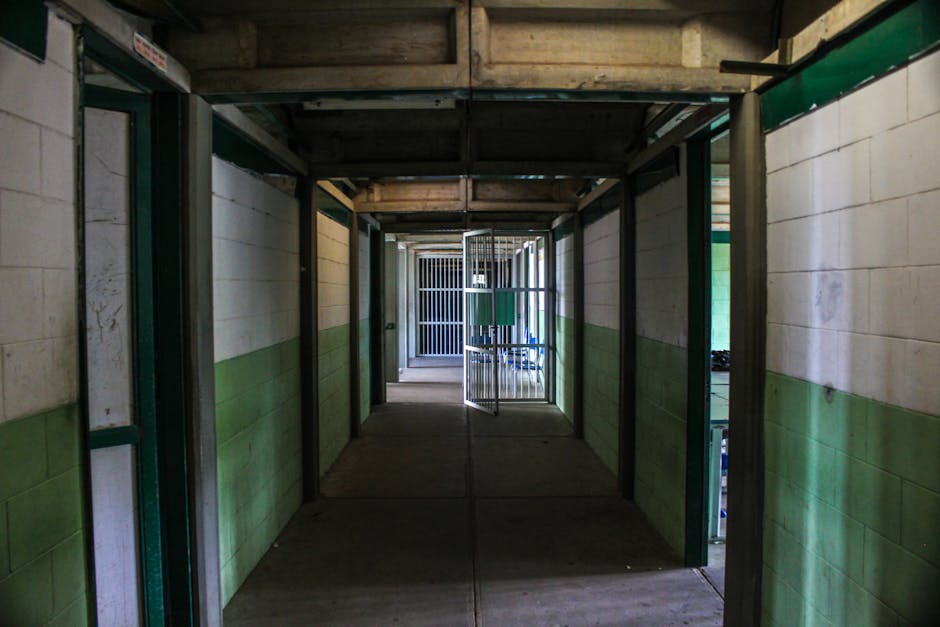
At the heart of the report's revelations is a widespread culture where basic human rights have been commodified. Inmates, the report reveals, are routinely forced to pay for necessities as fundamental as bed spaces, family visits, and even transportation to court. This 'commercialization of justice' creates a stark two-tiered system, with the wealthy able to mitigate their incarceration experience while the poor endure exacerbated suffering and deeper inequality. The panel explicitly branded custodial centers as 'human warehouses,' with some facilities exceeding their designed capacity by an astonishing 500 percent, amplifying the humanitarian crisis within.
Beyond financial exploitation, allegations of torture and cruel, inhumane, and degrading treatment remain rife. While specific instances within correctional centers from this latest report are yet to be fully detailed publicly, the broader context of state-sanctioned violence is chillingly familiar. A recent Amnesty International report from February 2026, for instance, exposed rampant human rights violations by Nigeria's 'Tiger Base' police unit in Imo State, including extrajudicial killings, torture, and widespread extortion. This underscores a systemic problem that extends beyond the prison walls into the very fabric of law enforcement.
'The ugly incidents of abuse, dehumanisation of inmates, corruption and selective treatments for poor and rich inmates must stop. Our Correctional facilities are not for condemnation, they are for reformation, rehabilitation, and must be so in words and deeds.' – Dr. Olubunmi Tunji-Ojo, Minister of Interior
Despite the grim findings, the government, through Minister Tunji-Ojo, highlighted certain improvements. A significant reduction in recidivism rates was reported, with repeat offenders falling from 11,616 in 2023 to 3,156 in 2024, and further to 1,382 in 2025. This 88% drop is attributed to ongoing rehabilitation and reformation programmes within the NCoS, with the minister stating that success would only be declared when recidivism reaches zero.
However, the underlying challenge of overcrowding continues unabated. As of June 2026, Nigeria's custodial facilities house approximately 80,533 inmates against a designed capacity of 68,486. This represents an overpopulation rate of over 17%, exacerbating poor living conditions and hindering effective rehabilitation. To address this, the government is reportedly constructing new correctional facilities in Abuja, Kano, and Port Harcourt, projected to add an additional capacity of 15,000 to 33,000 inmates.
Designed Capacity
Current Inmates
*Figures as of June 2026. Data from Federal Government reports.
The persistent failures in Nigeria's correctional system carry profound implications for the nation's governance, human rights standing, and broader socio-economic stability. The 'commercialization of justice' described in the report signals a critical market failure within the justice sector, where access to basic human dignity becomes a commodity. This systemic corruption erodes public trust in state institutions, creating a fertile ground for cynicism and disenfranchisement, particularly among the vulnerable who bear the brunt of these abuses.
Internationally, such reports reinforce Nigeria's struggles with corruption. The country ranked 142nd out of 182 nations in the latest Corruption Perceptions Index, underscoring a deep-seated problem that permeates various government sectors. This perception impacts foreign investment, development aid, and overall international relations, hindering Nigeria's aspiration to be a leading player in the global tech and enterprise ecosystem. When the fundamental tenets of justice are compromised, the 'social license to operate' for any government comes under severe scrutiny.
The government's stated commitment to increased inmate feeding allowances and new facility construction, while positive, must be viewed against the backdrop of an 18-month investigative panel that found deep-seated issues. The recent high-profile conviction and sentencing of former Minister of Power, Saleh Mamman, to 75 years for N33.8 billion fraud in May 2026, offers a glimmer of hope for accountability at the elite level. However, the challenge lies in translating such high-profile victories into systemic reforms that touch the daily realities of all inmates and correctional officers.
Minister Tunji-Ojo has publicly declared a zero-tolerance policy on human rights violations and corruption within the NCoS, promising aggressive implementation of the panel's recommendations and disciplinary action against culpable officers. He also emphasized the need for a robust monitoring and evaluation framework, coupled with independent oversight, to ensure accountability.
For these pronouncements to translate into tangible change, a multi-faceted approach is critical. This includes transparent prosecution of indicted officials, significant investment in modernizing correctional infrastructure, comprehensive training for staff focused on human rights and international best practices, and active collaboration with state governments and civil society organizations. The call for state Attorneys-General to adopt non-custodial sentencing options to reduce overcrowding is also a vital step. Ultimately, the success of these reforms will not be measured by reports alone, but by the restoration of dignity, justice, and the true meaning of 'correction' to every individual within Nigeria's correctional system.