Mobile App Wars, Mobile World, and Gaming
Gaming Giants Collide: Halfbrick's New Racer vs. The Pokémon Company's Mobile Masterpiece in the Making!
125
Apr 10

Tap to Start Live Broadcast
Acoustic Enhanced Speech & Dynamic Visual Stream
As 'Lego Batman' and 'Bubsy 4D' launch, Nigeria's economic challenges — 15.69% inflation, N1,400/L fuel, and N70,000 minimum wage — highlight the growing gap between global gaming hype and local affordability, driving mobile gaming dominance amidst calls for economic reform.
Intro: The gaming world vibrates with anticipation! Today, May 22, 2026, marks the simultaneous console launch of two titans: the highly anticipated 'Lego Batman: Gotham's Reckoning' and the quirky, nostalgic revival 'Bubsy 4D: The Woolies Strike Back'. For millions of gamers globally, it's a day of unbridled excitement, a dive into immersive new universes. But in Nigeria, this celebration is tinged with a stark reality: the formidable economic hurdles that make accessing such premium entertainment an increasingly distant dream for many. Amidst soaring inflation, escalating fuel costs, and stagnant wages, the latest gaming invasion highlights a growing chasm between global digital aspirations and local economic constraints.
The global gaming industry, a behemoth projected to hit between $188 billion and $197 billion in revenue worldwide in 2026, continues its relentless expansion. Major studios are betting big on marquee releases like 'Lego Batman: Gotham's Reckoning,' which promises an expansive open-world Gotham, intricate puzzle-solving, and the signature humor fans adore. Meanwhile, 'Bubsy 4D: The Woolies Strike Back' aims to capture a new generation with its innovative '4D' mechanics, blending classic platforming with augmented reality elements for an unprecedented immersive experience. These titles are not just games; they are cultural events, meticulously marketed to generate immense hype and drive console sales across developed markets.
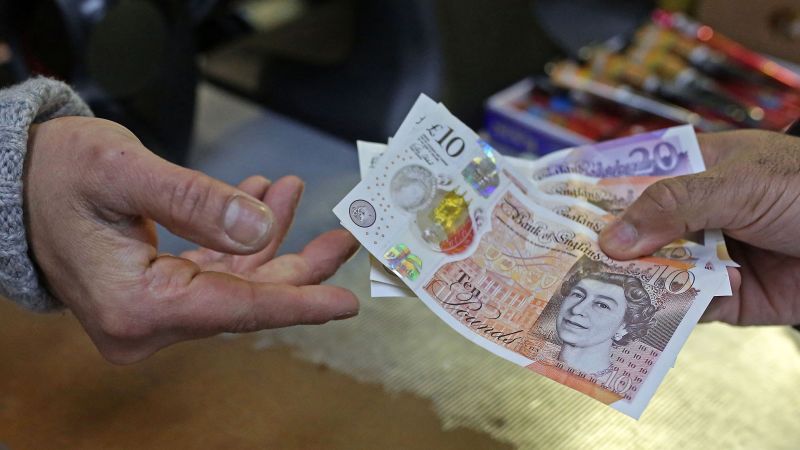
However, the narrative shifts dramatically when viewed through the lens of Nigeria's economic landscape. As of April 2026, Nigeria's inflation rate surged to 15.69%, the highest in five months, primarily fueled by rising energy costs. This isn't just a statistic; it's a daily battle for survival. The average price of petrol, a critical component of daily life and commerce, now fluctuates between N1,364 and N1,444 per liter at retail pumps, a steep climb from N900 per liter recorded just months prior in February 2026. The ripple effect is profound: increased transportation costs, higher prices for food and essential goods, and a shrinking disposable income for the average Nigerian household. Imagine the stark contrast: a new game costs upwards of N50,000 to N70,000 for a standard edition, while the national minimum wage stands at a mere N70,000 per month. This means a single new game could consume an entire month's minimum wage, an unthinkable proportion in most global markets.
"Nigeria's tech landscape is evolving rapidly... From AI-powered agriculture to blockchain systems ending certificate fraud, these innovations position Nigeria as a serious player in the global tech economy." - The 2026 Blueprint, May 2026. Yet, the ability of its citizens to participate in this digital future is severely hampered by basic economic pressures.
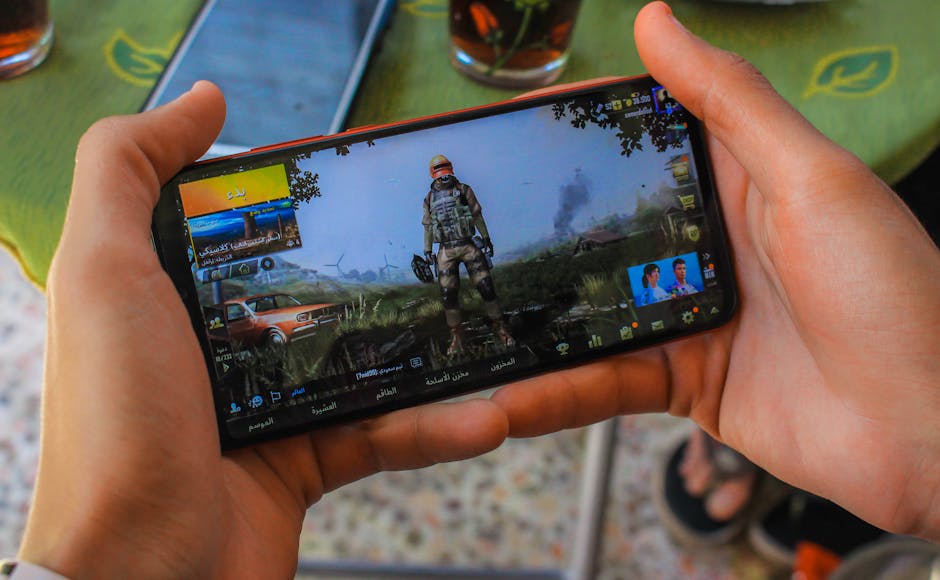
The numbers paint a clear, albeit challenging, picture. While Nigeria's gaming market itself is robust, valued at an estimated USD 7.75 Billion in 2025 and projected to grow to USD 13.23 Billion by 2034, this growth is largely driven by mobile gaming, which accounts for nearly 87% of all activity. Console gaming, the primary target for 'Lego Batman' and 'Bubsy 4D', remains a niche for higher-income segments. Consider these key economic indicators:
These figures illustrate that even for those earning the average gross salary, a new console (often costing upwards of N600,000 - N1,000,000 for the latest generation) and a few games represent a significant, often insurmountable, investment. Beyond the purchase price, the cost of sustained gaming is equally daunting. Unstable electricity supply, a persistent challenge in Nigeria, forces reliance on generators, pushing up operational costs with diesel prices at around N1,800 per liter. Furthermore, while Nigeria boasts a growing internet user base of 148.2 million, increasing data costs, with 1GB now averaging N575, further strain household budgets.
Monthly Income vs. Game Cost (as % of Avg. Gross Salary)
The economic headwinds directly shape Nigeria's tech and gaming ecosystem. While the government aims for a $1 trillion economy by 2030 and sees digital innovation as a key driver, the consumer affordability crisis threatens to limit domestic demand for premium digital products. This environment reinforces the dominance of mobile gaming, often free-to-play with in-app purchases, over high-cost console or PC gaming. Local game developers, facing funding and monetization challenges, often lean into this mobile-first reality, creating games that reflect local tastes and operate on lean budgets.
Government policies are attempting to respond. The National Telecommunications Policy 2026, currently under review, seeks to address rising data costs, network outages, and improve internet infrastructure, recognizing these as national development issues. Experts also advocate for deepening investment in digital innovation and expanding sectors like esports to tackle youth unemployment, identifying new job creation opportunities beyond traditional gaming in areas like event management and content creation. However, without direct interventions to boost real wages and stabilize consumer prices, these efforts might not fully translate into improved access to global gaming phenomena like 'Lego Batman' or 'Bubsy 4D'. The focus on an 'iGaming' (betting) market, while substantial at $658.9 million CEB, often overshadows the broader interactive entertainment sector.
To truly embrace the global gaming ecosystem, Nigeria needs a multi-faceted approach. First, aggressive fiscal policies are required to curb inflation and stabilize the Naira, thereby increasing the purchasing power of average citizens. This includes transparent and effective management of fuel prices, possibly through targeted subsidies or diversified energy sources to reduce reliance on volatile global crude oil markets. Second, a significant investment in reliable and affordable electricity infrastructure is paramount. Consistent power supply would drastically reduce operational costs for households and businesses, including the ability to power gaming consoles without exorbitant diesel expenses. Third, while broadband costs are relatively low compared to some global averages, the rising cost of mobile data needs urgent attention and regulation to ensure digital inclusion for the vast majority of Nigerians who rely on it for all online activity. Finally, fostering a vibrant local game development scene requires not only policy support but also access to capital and infrastructure that can compete with global standards, potentially focusing on creating games that are culturally relevant and economically accessible. Only when these foundational economic challenges are addressed can the true excitement of global releases like 'Lego Batman' and 'Bubsy 4D' be genuinely shared by all Nigerian gamers. Until then, the promise of immersive digital worlds will remain out of reach for too many.