

SSTORY TV
00:00:00 WAT
SPONSORED
EV & Auto Tech
REPORT INSIGHT
Tap to Start Live Broadcast
Acoustic Enhanced Speech & Dynamic Visual Stream
Broadcasting live on SStory TV...
ON-AIR BROADCAST
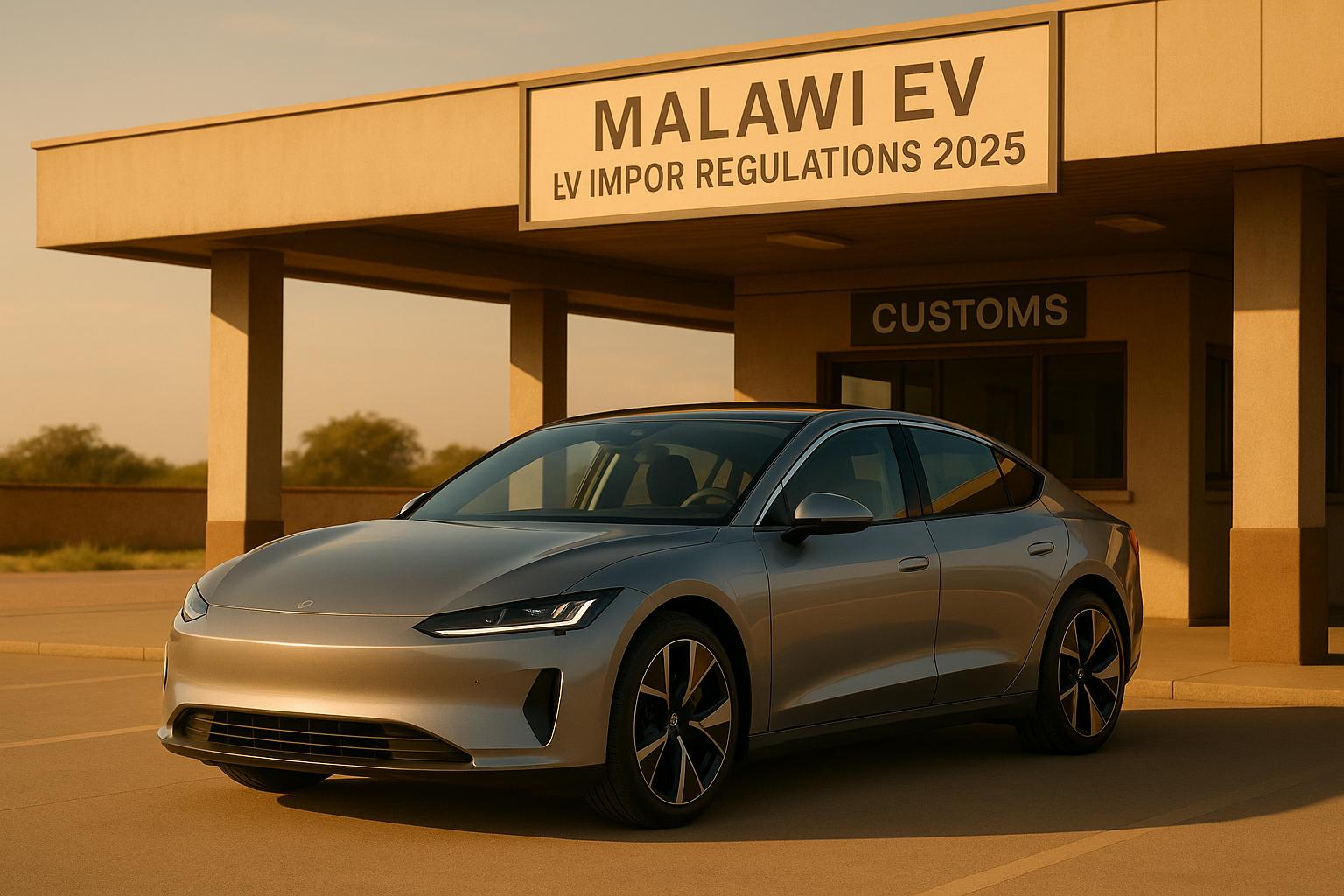
A Green Shift: Malawi Eliminates EV and Hybrid Taxes to Combat Fuel Inflation
Mar 17, 2026
298 views
Malawi has removed all customs duty and excise tax on electric vehicles and significantly reduced taxes on hybrids in its 2026/2027 Budget. This move, amidst over 40% fuel price hikes and an annual US$600M fuel import bill, aims to boost EV adoption and reduce reliance on fossil fuels.
In a landmark move set to redefine its transportation landscape, Malawi has significantly eased the financial burden on consumers and businesses opting for electric and hybrid vehicles. Under the provisions of the 2026/2027 National Budget, the government has announced the complete removal of customs duty and excise tax on fully electric vehicles (EVs), positioning them as the most tax-efficient vehicles available in the Malawian market. This strategic policy shift, effective March 2026, is a direct response to the nation's escalating fuel import bill and the persistent volatility in global oil markets.
The incentives extend to hybrid vehicles as well, which will now benefit from reduced excise tax rates. Specifically, hybrid vehicles less than eight years old will see their excise tax slashed from 45 percent to a remarkable 0 percent. For those between eight and twelve years old, the excise duty will be lowered from 70 percent to 35 percent, while hybrids older than twelve years will experience a reduction from 100 percent to 60 percent. This comprehensive tax relief aims to accelerate the transition towards more sustainable and economically viable modes of transport.
Malawi's dependency on imported fossil fuels has long been a critical economic vulnerability, with the nation spending over US$600 million annually on fuel imports. The urgency of this policy is underscored by recent dramatic increases in fuel prices. In January 2026, the Malawi Energy Regulatory Authority (MERA) announced a surge of over 40 percent in both petrol and diesel prices, marking the second significant hike in just four months. This placed Malawi at the top of African countries with the highest fuel prices in February 2026, ranking second globally at $2.868 per unit. These relentless increases have exerted immense pressure on inflationary rates, transport costs, and the country's limited foreign exchange reserves.
Industry experts have lauded the government's forward-thinking approach. Schizzo Thomson, Managing Director for Sky Energy Africa, noted that the removal of customs duty and excise tax on EVs is already stimulating interest and investment in clean energy technologies by significantly lowering the upfront cost of electric vehicles. However, Thomson also cautioned that while these tax incentives are a crucial first step, a full transition to electric mobility will require complementary policies such as accessible financing mechanisms for EV purchases, robust investment in charging infrastructure, and sustained regulatory support.
Despite the nascent stage of its EV market, Malawi possesses a strong foundation for electric mobility adoption, with over 80 percent of its electricity generated from clean hydro and solar sources. The Malawi Energy Regulatory Authority (MERA) has been actively developing an EV mobility framework, with comprehensive regulatory guidelines expected to be in place. As the nation grapples with global geopolitical tensions that continue to destabilize oil markets, this bold fiscal policy signals Malawi’s firm commitment to a greener, more resilient, and self-sufficient future.
Recent Fuel Price Hikes in Malawi (Jan 2026)
Approx 41.9%
Petrol (Kwacha)Approx 41.3%
Diesel (Kwacha)Audience Feedback (0)
Contact Newsroom Desk
WhatsApp Live Chat
Broadcast Guide: Related Stories & Discoveries
Explore TV Home
EV (Electric Vehicles) & Auto Tech (Global & Africa)
From Gridlock to Green Drive: Navigating Africa's Path to EV Cost Parity
159
Mar 23


EV (Electric Vehicles) & Auto Tech (Global & Africa)
South Africa's EV Kick-Off: The Green Tech Race Heats Up in 2026!
158
Apr 01

141
Apr 22

EV & Auto Tech
EVTOL Sky Wars: Air Taxis Log Hours, Reshaping Urban Mobility's Future in a High-Stakes Race!
227
Apr 19
Tech Review - AI Marketing
Gush AI Marketing: The Nigerian Edge Disrupting the Global AI Landscape in 2026!
14
Oct 08

156
Sep 28

98
Sep 16

Business & Policy
"Chinese Must Go!": The Battle for Lagos Markets Rages as Local Livelihoods Hang in the Balance
95
Sep 15

76
Sep 11

Tech Innovation
The AI Scramble: Gush AI vs. N-ATLAS & Grace AI – Who Leads Nigeria's Tech Revolution?
88
Sep 08

Cybersecurity & Tech Policy
Nigeria's Digital Battlefield: Uber Flees, FCCPC Demands Answers on Customer Fallout
79
Sep 07

Tech Innovation / Business Automation
Forget Manual Tasks: Gush Connect Empowers Gush AI to Run Your Business, Securely and Smartly!
123
Aug 10