Intro: As a Nigerian, the images from Venezuela hit close to home. We know what it feels like when disaster strikes and communities are left scrambling, often with little help from those in charge. Right now, in the South American nation of Venezuela, a similar heartbreaking scenario is unfolding. Twin earthquakes have brought unimaginable devastation, and what's emerging is a grim picture of everyday people, their nerves frayed by aftershocks, digging through rubble with bare hands, desperately searching for loved ones. It's a testament to the human spirit, but also a stark indictment of governance when citizens are forced to become their own first responders.
What Is Happening on the Ground
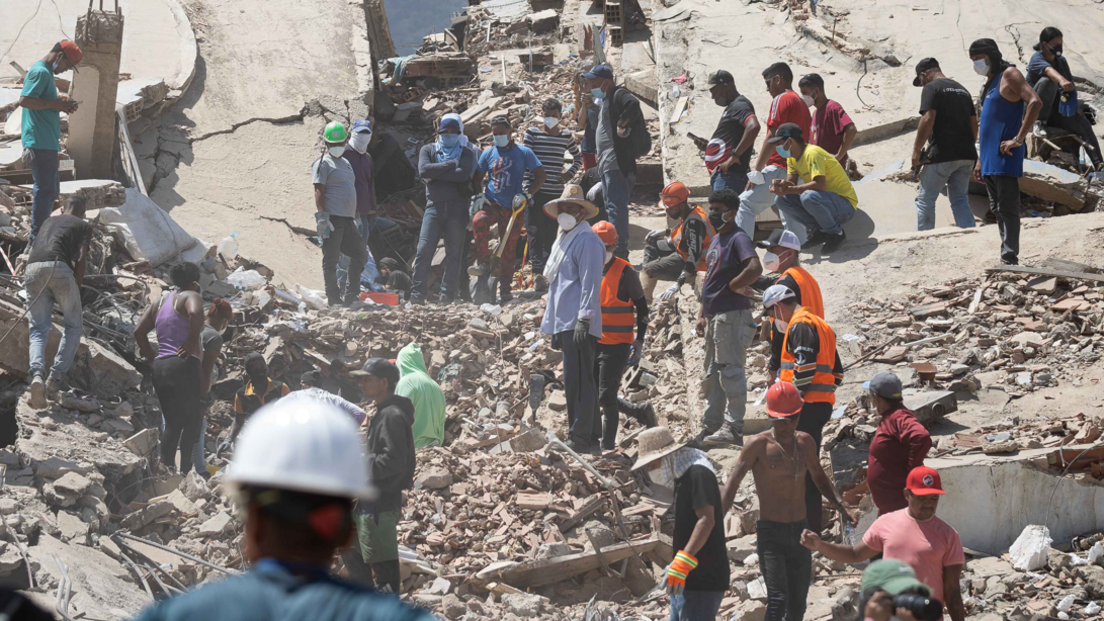
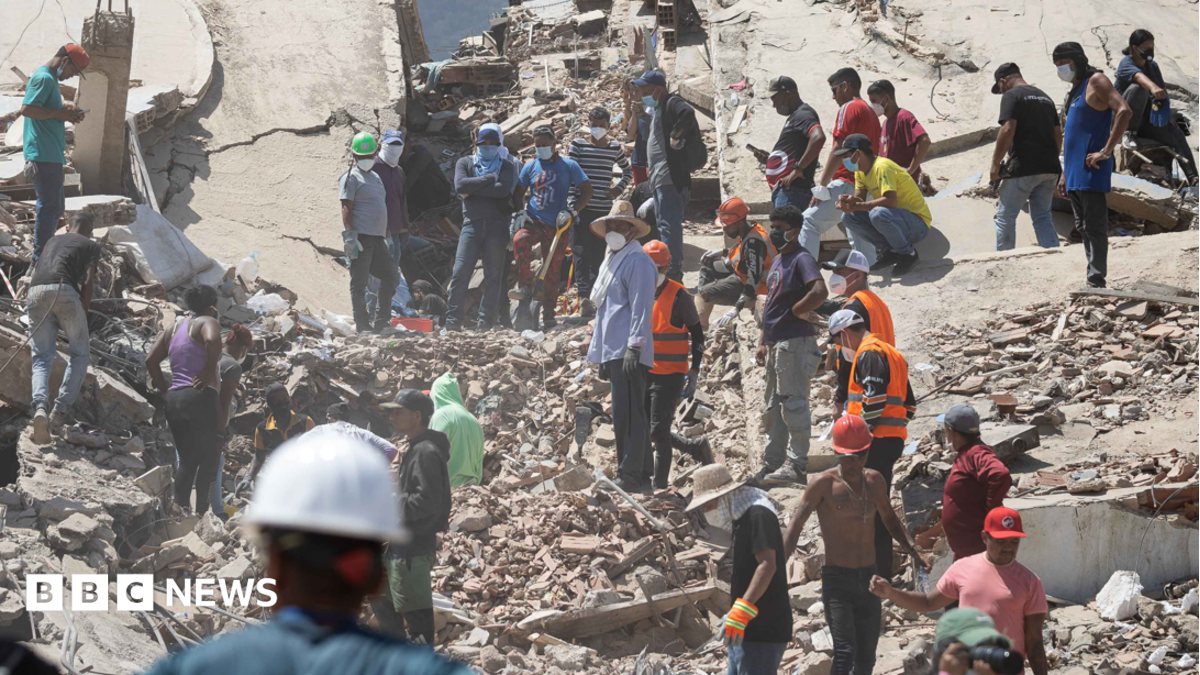
The port city of La Guaira, a bustling hub just like our own Lagos ports, has become ground zero for this catastrophe. Last week, two powerful earthquakes, measuring a devastating magnitude 7.2 and 7.5, struck within seconds of each other in the northern state of La Guaira. The tremors collapsed nearly 800 buildings, trapping thousands. But the real story isn't just in the numbers; it's in the harrowing scenes our team saw on the ground. Imagine, dear reader, men and women, fathers and mothers, with nothing more than crowbars, mallets, and even their bare hands, sifting through mountains of debris. They are not trained rescue workers; they are ordinary citizens, their faces etched with despair, racing against time to find a spouse, a child, a neighbour. Tens of thousands are still believed to be missing, turning every pile of rubble into a potential tomb. Just this Monday, as if the initial trauma wasn't enough, a magnitude 4.6 aftershock rattled nerves, sending fresh waves of panic through La Guaira and the capital, Caracas. The interim President, Delcy Rodríguez, called it Venezuela's 'most brutal natural catastrophe,' with over 1,700 lives already lost. Yet, amidst this horror, there are glimmers of hope: a 21-year-old man was pulled alive after more than 100 hours trapped in the town of Caraballeda, a true miracle of survival thanks to local and international teams from Venezuela, Mexico, and El Salvador.
Ruben Rojas, a 32-year-old electrician, whose hands are now calloused from digging, captured the raw frustration perfectly: 'The civil protection people decided to help, but they don't have the equipment. The government doesn't give it. They are just like us, working with their hands.'
The Main Issues
But beneath the incredible resilience of the Venezuelan people lies a deeply troubling reality: a severe lack of adequate government response. In many of the hardest-hit areas, including La Guaira and Catia La Mar, our SStore Editorial team observed something eerily familiar to many developing nations – signs of Venezuelan police and army presence on the streets, but conspicuously absent from the actual rubble where lives hung in the balance. The main search-and-rescue operations were largely spearheaded by local volunteers and a few international teams, creating palpable anger and resentment towards the authorities. The deployment of crucial earth-moving equipment in La Guaira city was described as 'patchy and sporadic.' Local people would spend days on a single collapsed building, only for heavy machinery to arrive long after any hope of finding survivors had faded. This sluggish, uncoordinated effort is, according to residents like Zuly Marín, exacerbated by Venezuela's already dire economic situation. It's a cruel irony: a nation rich in resources, yet seemingly unable to equip its own emergency services when its people need them most. The delay isn't just about efficiency; it's about lives lost that many believe could have been saved.
- Magnitude of primary quakes: 7.2 and 7.5
- Number of buildings collapsed: Nearly 800
- Estimated missing persons: Tens of thousands
- Official reported deaths: Over 1,700
- Time for heavy machinery to arrive in some areas: Days after initial quake
- Venezuelan President's announced commission: Chaired by her brother
The Impact on Daily Life
The personal toll of this disaster is immeasurable. For Carolyn Zerpa, 39, the initial frantic search for her father and brother under the rubble by hand has now morphed into a grim quest for recovery. 'You can't really do much with just a pickaxe,' she told SStore Editorial Mundo, a statement that speaks volumes about the inadequacy of resources. Her focus has tragically shifted from rescuing the living to finding the remains of her family, simply to give them a proper burial. Zuly Marín, a La Guaira resident for 15 years, mourns the loss of her niece and brother-in-law, a loss she believes could have been prevented with a swifter, better-equipped response. 'I think that if they [the rescuers and digging equipment] had come sooner, many people could have been saved,' she lamented. Beyond the immediate loss, daily life has fractured. In mountainous areas like El Junquito, west of Caracas, residents are not just waiting for official help; they are actively providing for themselves. Farmers and other community members are sharing basic supplies, acting as a lifeline where government presence is scarce. This self-reliance, while admirable, highlights the profound void left by a state that seems overwhelmed or unwilling to reach its most vulnerable citizens. For many, homes are gone, livelihoods destroyed, and the future uncertain, all under the shadow of a struggling economy that offers little hope for quick recovery.
What Needs to Be Done
So, what needs to be done? First and foremost, the Venezuelan government must step up its game. While President Delcy Rodríguez announced a commission to assess damage, to be chaired by her brother, National Assembly President Jorge Rodríguez – a move that raises questions about transparency and efficiency for many – what is needed now is immediate, tangible action. The 25,000 emergency workers, police, and soldiers she mentioned need to be on the ground, properly equipped, and strategically deployed. International aid has mobilised, but it needs clear channels and efficient distribution to reach those most in need, bypassing bureaucratic hurdles. Beyond the immediate rescue and relief, there must be a robust plan for reconstruction, for housing the displaced in temporary camps, and for rebuilding shattered communities. This isn't just about clearing rubble; it's about rebuilding lives and trust. The people of Venezuela, like any people facing such a monumental tragedy, deserve more than social media posts and commissions. They deserve a government that genuinely serves and protects them, providing the resources and leadership necessary to navigate this 'most brutal natural catastrophe.' It’s a lesson for leaders everywhere: in times of crisis, the true measure of governance is not in declarations, but in timely, effective, and compassionate action on the ground. Anything less leaves citizens to fend for themselves, turning heartbreak into sustained hardship and anger.