In the relentless pursuit of sustainable transportation, a paradigm shift is quietly unfolding across the African continent. While global giants wrestle with charging infrastructure deficits and the prohibitive costs of electric vehicles, a Tunisian innovator, Bako Motors, is not just participating in the electric vehicle (EV) revolution; it is fundamentally redefining its trajectory. As of March 2026, this audacious startup is leveraging Africa's most abundant resource—sunshine—to craft a future where mobility is not only clean but also inherently self-sufficient and accessible.
Bako Motors is making waves with its compact electric cars and cargo vans, each crowned with integrated rooftop solar panels. These aren't mere solar-assisted gadgets; they are engineered solutions designed to deliver tangible, real-world benefits that directly address the pain points of EV adoption in emerging markets. According to founder and CEO Boubaker Siala, the solar panels are capable of supplying over 50% of the vehicle's daily energy needs.
This innovative approach is a game-changer for regions where reliable grid access is a luxury, not a given. The company’s flagship commercial offering, the B-Van, an affordable electric workhorse designed for last-mile logistics, can generate enough solar energy for around 50 kilometers (31 miles) of driving per day. This translates to approximately 17,000 kilometers (10,563 miles) per year at zero cost, a staggering proposition for businesses battling volatile fuel prices and electricity costs. The B-Van, with a payload capacity of 400 kg and a range of 100–300 km, starts at an astonishingly competitive price of around $8,500.
"The solar cells provide us with more than 50% of our needs. For example, the B-Van, for commercial use, you can have free energy for about 50 kilometers per day… 17,000 kilometers (10,563 miles) per year. It's huge."
— Boubaker Siala, Founder and CEO of Bako Motors
Complementing the B-Van is the Bee, a minimalist two-seater city EV designed for urban commuters, offering a range of 70–120 km and a top speed of 45 km/h, with a starting price of roughly $6,200. Bako is also actively developing a third model, the X-Van, which will further expand its utility with increased cargo capacity.
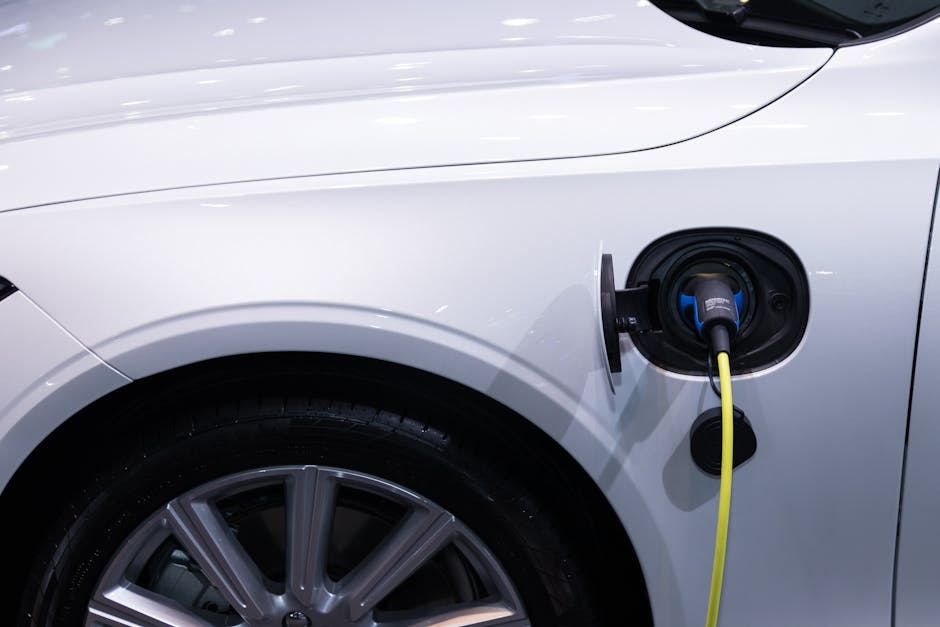
The strategic brilliance of Bako Motors extends beyond just solar integration. A critical pillar of their model is an unwavering commitment to local manufacturing. More than 40% of each vehicle’s components, including lithium iron phosphate batteries and steel, are sourced within Tunisia. This not only drastically reduces import costs and strengthens regional supply chains but also creates vital local jobs and ensures the vehicles are robustly adapted to African road conditions and infrastructure realities. This level of indigenous production offers a powerful counter-narrative to the continent's historical reliance on imported vehicles and technology.
The burgeoning African EV market presents an undeniable opportunity. Mordor Intelligence projects the African EV market size to reach $4.2 billion by 2030, growing at a formidable 53.9% CAGR between 2026 and 2031. Bako Motors is positioning itself to capture a significant share of this growth, with ambitious plans for scaling. Despite having produced around 100 vehicles to date, the company is constructing a second, larger factory in Tunisia, slated to open by the end of 2026. Once operational, this facility aims to produce up to 8,000 vehicles annually, targeting markets across Africa, the Middle East, and Europe.
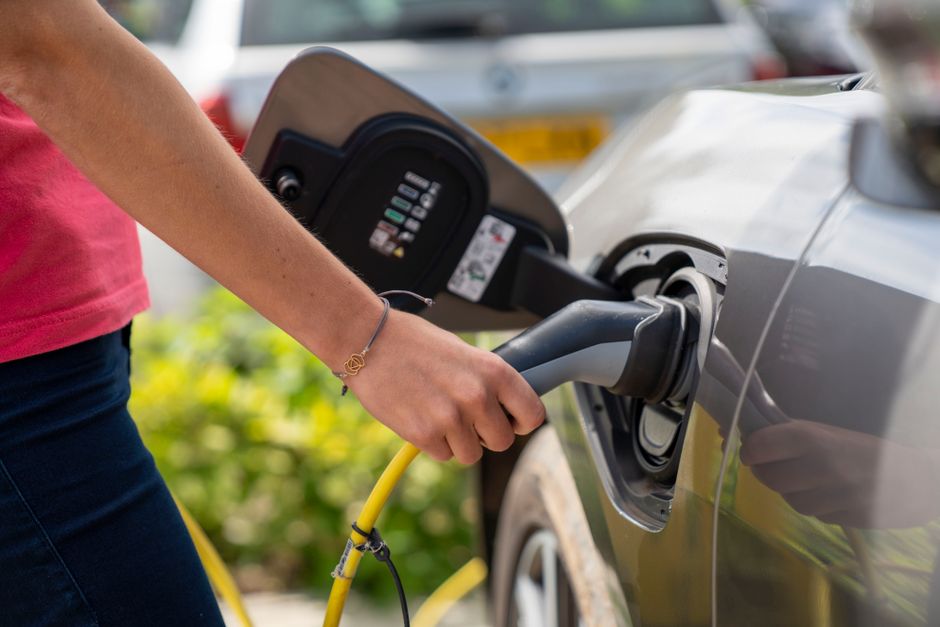
Bako Motors' strategy directly tackles some of the most significant barriers to EV adoption in Africa, such as range anxiety and the sparse, often unreliable, charging infrastructure. By providing substantial daily range from solar power, their vehicles offer unparalleled dependability, empowering users even in off-grid environments. This resonates deeply with the continent’s energy realities, where intermittent power supply remains a challenge for over 600 million people.
As the world pivots towards a decarbonized future, Bako Motors epitomizes the ingenuity emerging from the Global South. Their low-cost, solar-assisted EVs are not just a transport solution; they are a beacon of sustainable innovation, demonstrating how local challenges can inspire global solutions. The company's expansion into strategic markets like Morocco, and announced plans for Saudi Arabia, Nigeria, and Qatar, underscores its vision for a broader regional and international impact. If Bako Motors can successfully navigate the complexities of rapid scaling and market penetration, it stands poised to not only reshape African mobility but also offer a compelling blueprint for how the world can truly embrace an affordable, off-grid electric future.