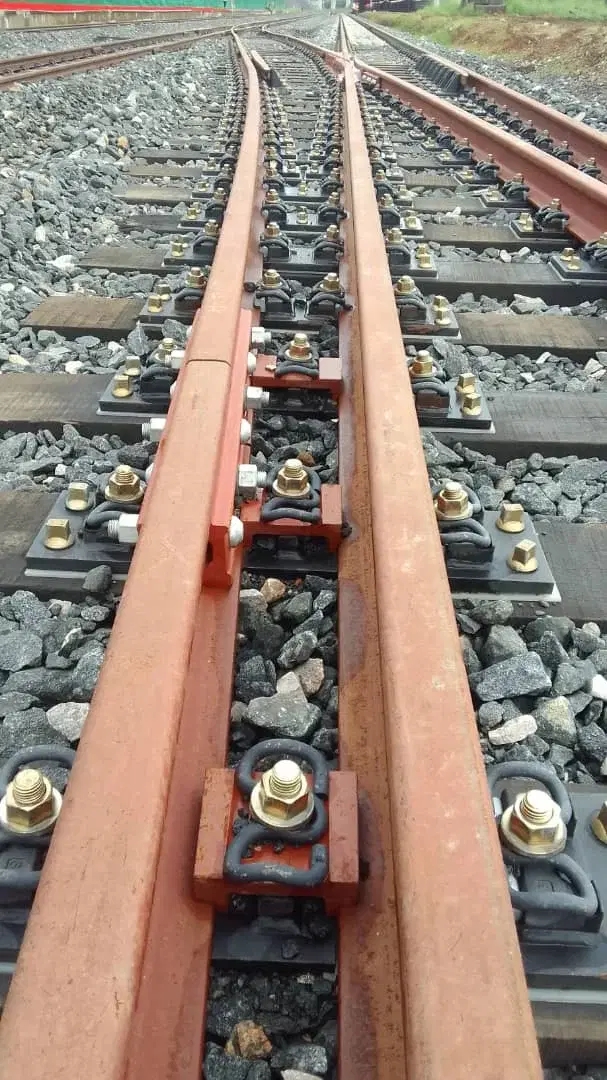
Intro: Imagine a morning where your usual journey to work is suddenly disrupted, not by a flat tyre or traffic, but because the very tracks your train runs on have been stolen. This isn't a scene from a movie; it's a stark reality many Nigerians face, and it's costing our nation a fortune. The railway system, a lifeline for many, is under siege by vandals, threatening not just our commutes but the very fabric of our economic progress. Recently, the Managing Director of the Nigerian Railway Corporation (NRC), Dr. Kayode Opeifa, stood firm, declaring a renewed war against these economic saboteurs, seeking stronger security collaborations and demanding tougher penalties. But beyond the official pronouncements, what does this ongoing battle mean for you, the everyday Nigerian? And why are some of our youth resorting to such destructive acts?
What Is Happening on the Ground
The commitment from the Nigerian Railway Corporation to safeguard our vital railway infrastructure isn't just talk; it's a desperate necessity. Dr. Kayode Opeifa, the NRC boss, recently reinforced this pledge during a crucial visit to the Oyo State Police Commissioner, CP Olugbenga Abimbola, in Ibadan. This wasn't a mere courtesy call; it was a strategic move to bolster the partnership between the NRC and the Nigeria Police Force, acknowledging the critical role law enforcement plays in protecting our national assets. He was accompanied by CP Lasisi Titilola of the Nigeria Railway Police Command, underscoring the seriousness of the collaboration.
This renewed collaboration has already borne fruit, providing a glimmer of hope amidst the challenges. Just recently, the Oyo State Police Command and the Railway Police Command, acting on sharp intelligence, managed a significant breakthrough. They arrested three suspected railway vandals and, even more importantly, recovered stolen railway materials estimated to be worth a staggering ₦200 million. Think about that figure for a moment – two hundred million Naira, simply carted away from public infrastructure! The suspects were reportedly caught in the act of transporting these vandalised materials all the way from Niger State to Lagos, highlighting the organised and widespread nature of this criminal enterprise. This operation, described by Dr. Opeifa as a 'major breakthrough,' clearly demonstrates the power of sustained collaboration between security agencies. It's a testament to what can be achieved when our institutions work hand-in-hand to protect what belongs to us all.
‘When railway tracks are stolen, it’s not just metal that disappears; it’s our chances for a better future, affordable transport, and safer journeys. Every nail, every sleeper gone is a step backward for our nation.’ — A concerned Lagos commuter.
The Main Issues
The battle against railway vandalism isn't merely about catching thieves; it's about addressing a multifaceted problem that strikes at the core of Nigeria's development. The first critical issue is the colossal economic drain. When N200 million worth of materials are stolen, that's N200 million that could have been invested in upgrading our schools, building primary healthcare centres, or empowering youth with vocational training. It's public money, meant for public good, diverted into the pockets of criminals.
Beyond the direct financial loss, there's the severe impact on the reliability and safety of our rail services. Vandalised tracks mean slower trains, more frequent breakdowns, and an increased risk of accidents, jeopardising the lives of countless commuters. The NRC is committed to delivering safe, reliable, and sustainable rail transportation, but this commitment is constantly undermined by the actions of these vandals. Passengers arrive late to work or miss crucial appointments, goods transportation becomes inefficient, leading to higher market prices, and the dream of a robust national rail network fades further into the distance.

- Over ₦200 million worth of railway materials recently recovered from vandals.
- Vandals caught transporting materials from Niger State to Lagos.
- NRC seeks tougher penalties for vandals from National Assembly.
- Collaboration between NRC, Police, and communities is crucial for protection.
The Impact on Daily Life
For the average Nigerian, the theft and destruction of railway infrastructure isn't just a news headline; it's a personal blow. Consider the daily commuter in Lagos, Ibadan, or Kaduna who relies on the train as the most affordable and often fastest way to navigate our bustling cities. When a section of the track is compromised, journeys are delayed, sometimes for hours, forcing commuters to seek more expensive and less reliable alternatives like commercial buses or Okada. This translates directly into higher transportation costs, eating into already tight household budgets and increasing the stress of daily living.
Our local markets also feel the pinch. Many goods, especially agricultural produce and bulky items, depend on rail transport for cost-effective movement across states. When the railway is unreliable due to vandalism, transporters resort to roads, leading to higher freight costs. These increased costs are then passed on to consumers, making everyday necessities more expensive for everyone. The promise of cheaper goods through improved infrastructure remains just that – a promise – as long as vandalism persists.
Furthermore, this issue profoundly impacts youth survival. While some youth are involved in these criminal acts, often driven by desperation and unemployment, the consequences of such vandalism disproportionately affect the very communities they belong to. The jobs that could be created by a thriving rail sector – in construction, maintenance, and operations – are jeopardised. Moreover, the lack of reliable transport hinders access to education and economic opportunities for young people, trapping them in cycles of poverty. The lure of quick, illicit money from selling scrap metal blinds some to the long-term damage they inflict on their own prospects and their nation's future.
The current call for stiffer penalties for vandals by CP Olugbenga Abimbola to the National Assembly is a reflection of the severe frustration from those on the front lines, witnessing the erosion of public assets. Without robust legal deterrents, the cycle of destruction and recovery will continue, wasting taxpayer money and stifling our national growth. The stolen N200 million materials represent a lost opportunity – imagine if that money funded entrepreneurship grants for young people or built new vocational training centres. Instead, it’s a cost our struggling economy can ill afford.
What Needs to Be Done
Addressing railway vandalism requires a multi-pronged approach, tackling both the symptoms and the root causes. First and foremost, the call by CP Abimbola for the National Assembly to strengthen existing laws on vandalism of critical national infrastructure by prescribing stiffer penalties for offenders is paramount. The current legal framework must be robust enough to serve as a genuine deterrent, ensuring that those who destroy public assets face consequences that match the gravity of their crimes. Diligent prosecution of arrested suspects, as promised by Dr. Opeifa, is crucial to set an example and prevent others from engaging in similar acts.
Secondly, community engagement is non-negotiable. The NRC has rightly appealed to members of the public to provide timely and credible information to security agencies. Local communities are the eyes and ears on the ground, and their active participation through neighbourhood watch schemes or reporting suspicious activities can make a world of difference. This requires building trust between security forces and communities, ensuring that tip-offs are acted upon swiftly and anonymously if necessary.
Beyond immediate security measures, we must look at the socio-economic conditions that drive some individuals, particularly youth, to vandalism. Addressing unemployment, providing meaningful educational and vocational training opportunities, and fostering a sense of ownership over public infrastructure are long-term investments that will yield significant dividends. Programs that engage youth in constructive activities and provide alternatives to crime can turn potential vandals into community protectors.
Finally, the existing inter-agency collaboration, as demonstrated by the recent arrests, must be deepened and expanded. This includes working closely with all security agencies, state governments, and other stakeholders. A coordinated national strategy, leveraging intelligence sharing and joint operations, is essential to dismantle the organised networks involved in railway material theft. Our railways are not just tracks and trains; they are arteries of our national development. Protecting them is protecting our collective future.