Intro: The sun rises daily over bustling markets, crowded bus stops, and struggling homes across Nigeria, but for many, the dawn brings little relief from the grinding weight of economic hardship. Every conversation, from the roadside pepper seller to the young graduate hawking wares, eventually turns to one thing: the rising cost of living. How do we survive? This is the question on every Nigerian's lips, as economic reforms by the current administration continue to bite hard.
What Is Happening on the Ground
Just recently, President Bola Ahmed Tinubu unveiled a massive $3.05 billion development package, backed by the World Bank, which he describes as a 'bet on Nigerians' and a crucial step to translate economic reforms into tangible results for ordinary citizens. The government's vision is ambitious: to deepen poverty reduction, bolster human capital, and expand economic opportunities across the nation. This financial injection is structured into three key programmes: the Nigeria Community Action for Resilience and Economic Stimulus Additional Financing (NG-CARES AF), which alone accounts for $1.25 billion; the Solutions for Internally Displaced Persons and Host Communities (SOLID) Programme with $300 million; and the Human Capital Opportunities for Prosperity and Equity (HOPE) Programme, a substantial $1.5 billion investment. Each of these initiatives is designed to tackle specific areas, from supporting smallholder farmers and small businesses to providing relief and long-term development for internally displaced persons (IDPs), and strengthening critical sectors like healthcare and education.
President Tinubu's administration has emphasized that these are not just standalone interventions but complementary pillars of a national strategy aimed at lifting millions out of poverty and building a more resilient Nigeria. The hope is that these funds will address the widespread suffering that has followed recent tough economic decisions, ensuring that the 'Renewed Hope Agenda' truly reaches every household.
'Promises are good, but our children's stomachs are empty. We need to see these billions turn into food on our tables and jobs for our youth, not just headlines from Abuja.' – A market woman in Lagos, echoing a common sentiment.
The Main Issues
While the promise of $3.05 billion is substantial, it arrives at a time when many Nigerians are questioning the real impact of the government's economic policies. Since May 2023, bold but painful reforms have been implemented, most notably the removal of the decades-long fuel subsidy and the liberalization of the foreign exchange market. These measures, though deemed necessary by economists for long-term stability, have, in the short term, unleashed a torrent of economic hardship.
Inflation has soared to dizzying heights, reaching a 28-year high of 29.9% in January 2024, with food inflation often exceeding 40% in the same period. While headline inflation has seen a slight ease to 15.91% in June 2026, the cost of food continues its relentless climb, putting immense pressure on household budgets. The naira's value has plummeted, losing as much as 230% against the dollar in the last year (as of February 2024), effectively eroding incomes and savings. The stark reality is that while government statistics might paint a picture of gradual recovery and improved investor confidence, the average Nigerian feels increasingly squeezed. The World Bank indicates that poverty levels have worsened significantly, with an estimated 140 million Nigerians (63%) now living in multidimensional poverty in 2026, a sharp increase from 49% in 2023. This deepens the disconnect between macroeconomic indicators and the lived realities of citizens.
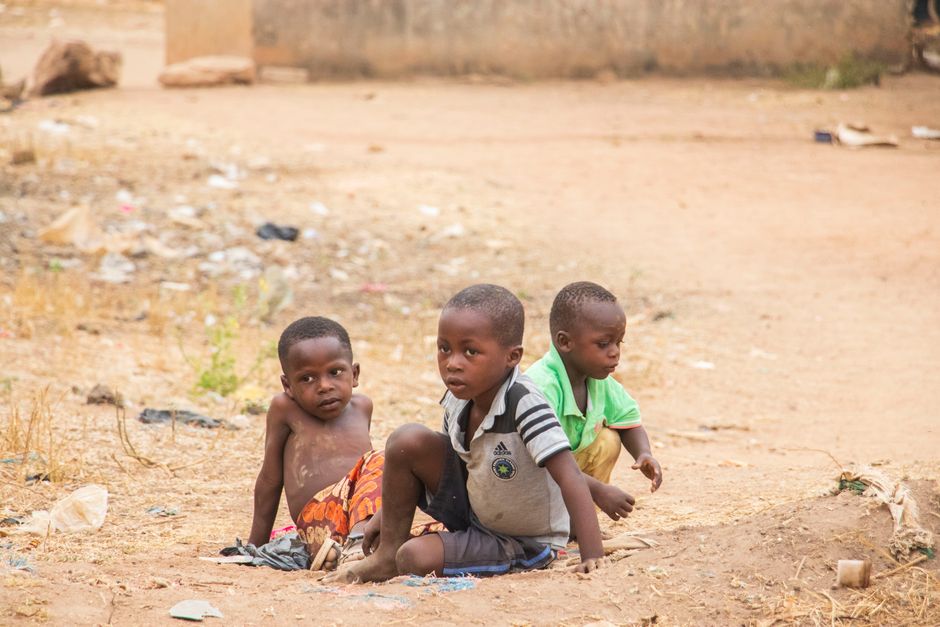
- President Tinubu's administration has launched a $3.05 billion package of development programs, backed by the World Bank.
- Key components include NG-CARES AF ($1.25bn), SOLID ($300m), and HOPE ($1.5bn), targeting farmers, small businesses, IDPs, healthcare, and education.
- The programs aim to translate economic reforms into tangible benefits for ordinary Nigerians, moving beyond national statistics.
- An estimated 140 million Nigerians (63% of the population) are currently living in multidimensional poverty.
- Food inflation remains a significant challenge, driving up the cost of basic necessities despite a slight moderation in headline inflation.
The Impact on Daily Life
For the everyday Nigerian, these economic shifts manifest in agonizing choices. Transport fares have skyrocketed, making daily commutes a luxury many can barely afford. Many now walk long distances or reduce their travel, impacting productivity and access to opportunities. Small businesses, the backbone of our informal economy, are struggling with the increased cost of fuel for generators, passing these expenses onto consumers already battling dwindling purchasing power.
The price of staple foods like garri, rice, and beans has become a daily nightmare. Families, particularly in low-income households, are cutting back on essential meals, often sacrificing nutritional value for sheer survival. 'Survival mode' is the new normal, as citizens employ various coping mechanisms, including rationing electricity and borrowing money, just to get by.
Youth survival is another critical area. With an alarmingly high youth unemployment rate, millions of young Nigerians are left without prospects, despite being the nation's greatest asset. While the government has launched initiatives like the Nigeria Youth Employment Action Plan, iDICE, and NiYA Startup to foster skills development and entrepreneurship, their impact has been limited in reaching a significant portion of the youth population. This lack of opportunity often forces young people to consider venturing beyond our borders, not necessarily seeking tensions with other African nations, but often out of a desperate search for greener pastures and basic dignity. The dream of contributing to Nigeria's growth is often overshadowed by the immediate need for survival.
Here’s a snapshot of how things have changed for ordinary Nigerians:
| Economic Indicator | Before Reforms (Early 2023) | After Reforms (Mid-2024/2026) |
|---|---|---|
| Average Fuel Price (per litre) | NGN 200-250 | NGN 550-1000 |
| Headline Inflation Rate | ~22% (May 2023) | 29.9% (Jan 2024 peak), 15.91% (June 2026) |
| Poverty Rate (Multidimensional) | 49% (2023) | 63% (140 million people) (2026) |
| Naira to USD (Official Market) | ~N450/$ (Jan 2023) | ~N1384/$ (July 2026 current) |
What Needs to Be Done
For this $3.05 billion 'bet' to truly pay off, the government must prioritize transparency and accountability above all else. Past interventions have often been plagued by inefficiencies and a lack of clear impact. Nigerians need to see concrete results, not just impressive figures. The success of these programs must be measured by how many people are lifted out of poverty, how many small businesses thrive, and how many young people find dignified employment, rather than solely by macroeconomic statistics.
Furthermore, effective coordination between federal, state, and local governments is paramount for these ward-based interventions to reach the intended beneficiaries without bureaucratic bottlenecks. There must be clear mechanisms for citizens to monitor the implementation and provide feedback, fostering a sense of ownership and trust.
Beyond immediate palliatives, sustainable solutions are crucial. This includes addressing the root causes of food insecurity by investing heavily in agriculture, improving infrastructure, and supporting farmers with access to quality inputs and markets. For the youth, a streamlined national youth policy that focuses on practical skills training aligned with market demands, and robust support for entrepreneurship, is essential. It is about building an economy that empowers Nigerians to produce, earn, and live with dignity. Only then can this significant investment truly transform from a 'bet' into a guaranteed win for the Nigerian people.