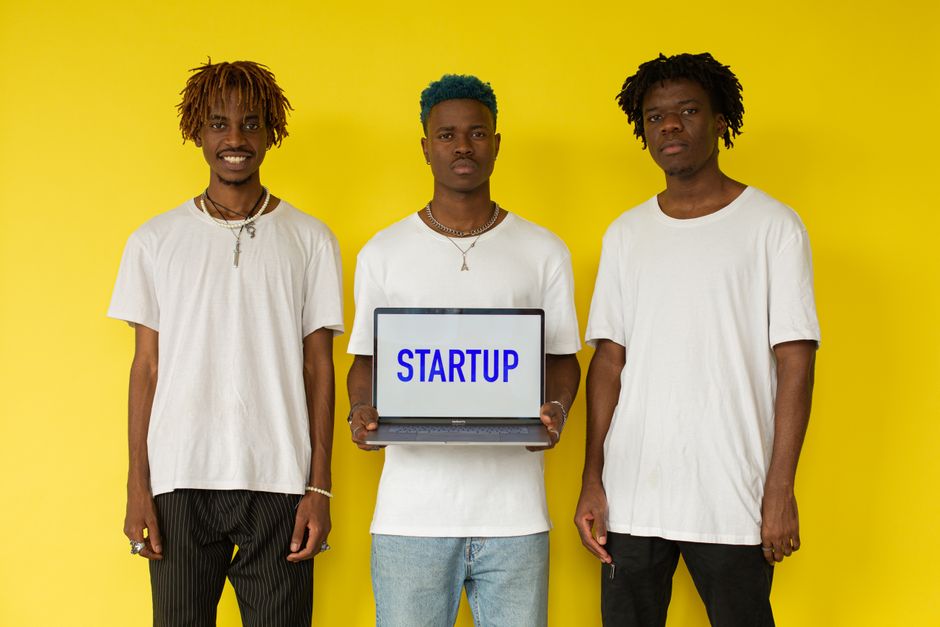
Intro: The whistle has blown on a new era for African innovation, and trust us, the streets are buzzing! Forget what you thought you knew about African tech; the game has profoundly changed. As of May 2026, a formidable force, the African diaspora, is not just participating; they're orchestrating a seismic shift, channeling their expertise and capital to bridge continents and ignite an unprecedented innovation boom across Africa. This isn't just about remittances anymore; it's about strategic investments, groundbreaking collaborations, and a fierce determination to ensure Africa takes its rightful place at the global tech table. We're talking about a 'Diaspora Derby' that's delivering mega deals and transforming the narrative from potential to palpable progress.
What’s Really Happening: The Diaspora's Game-Changing Moves
The 'Diaspora Derby' – a fiercely competitive yet deeply collaborative drive by African tech talent abroad – is hitting its stride like never before. From Silicon Valley to London, African tech giants are making monumental moves, fueling unprecedented growth in continental ecosystems. The recent African Diaspora Investment Symposium (ADIS26), held in March 2026 in Silicon Valley, underscored this monumental shift, rallying under the theme: 'Bridging Africa & Silicon Valley: Shaping the Future of Innovation, Investment, and Inclusive Growth'. This wasn't just another talk shop; it was a strategic huddle, mapping out direct pipelines for African innovation to tap into Silicon Valley's robust capital and technological ecosystems.
We've seen Nigerian-born tech titans like Wemimo Abbey, co-founder of Esusu, achieve unicorn status, transforming the fintech landscape by helping renters build credit in the US. Then there's Tade Oyerinde, another Nigerian genius, whose company Campus.edu secured a whopping $46 million Series B funding round in March 2025, bringing its total funding to over $100 million. Not forgetting Tope Awotona of Calendly, whose strategic vision catapulted his company to a $3 billion valuation. These aren't just success stories; they're beacons for a generation of diaspora entrepreneurs now actively looking homewards. The Africa Tech Summit, scheduled for May 29, 2026, in London, is another critical platform bringing together African startups, diaspora investors, and global funds to foster funding and partnerships, highlighting London's role as a key hub for international capital.
Furthermore, the Nigerians in the Diaspora Commission (NiDCOM) is not sleeping on the job! They're gearing up for the Nigerian Diaspora Economic Conference (NAIDEC) 2026 in Canada this August, spotlighting fintech, ICT, agriculture, and other high-impact sectors. This event is designed to bridge global investors with investment-ready opportunities in Nigeria, proving that Naija no dey carry last when it comes to attracting development. Organizations like Tech Connect Africa are also launching Chambers of Commerce and planning immersive summits in Ghana in December 2026, creating dedicated ecosystems to support African & Diaspora-founded startups on their journey from local to global.
'The African diaspora is moving beyond consumption-based transfers toward structured investment — converting emotional obligation into wealth-building strategy.'
Data Breakdown: The Scoreboard Lights Up
The numbers from 2025 and early 2026 paint a picture of a resilient and rapidly expanding African tech market that has successfully rebounded after a few challenging years. African tech startups collectively raised a staggering $4.1 billion in 2025, marking a robust 25% increase from the $3.25 billion raised in 2024 and representing the strongest funding level since 2022. This rebound, however, comes with a strategic pivot: debt financing surged, accounting for a record $1.64 billion (41%) of the total capital deployed in 2025, a 63% jump from the previous year.
Early 2026 has continued this upward trajectory, with African startups securing approximately $575 million in funding across 58 deals within the first two months. Q1 2026 funding was up between 27% and 35% compared to the same period in 2025. However, a critical trend emerged: while total capital rose, the money is concentrating rapidly. In March 2026, just 22 startups announced funding – the lowest monthly count since 2021. This means a handful of very large deals are doing a lot of heavy lifting. In fact, debt and hybrid instruments accounted for more than $490 million in Q1 2026, significantly surpassing the roughly $212 million in pure equity.
For years, remittances have been the bedrock of diaspora contributions, reaching an estimated $96.4 billion annually in 2024, far outpacing foreign direct investment and official development assistance combined. This massive capital flow is increasingly being eyed for strategic investment. The African investment ecosystem is learning to finance itself from within, with African investors accounting for a new record of 45% of total funds raised in 2025, compared to an average of 23% between 2022 and 2024.
- Total African Tech Funding (2025): $4.1 Billion
- Early 2026 Funding (Jan-Feb): $575 Million
- Debt Financing Share (2025): 41% of total capital
- Diaspora Remittances (2024): $96.4 Billion annually
- African Investor Share (2025): 45% of total funds
- Africa's AI Market Projection: To hit $16.5 Billion by 2030
Market or Policy Impact: Shaping Africa's Digital Destiny
Governments across Africa are stepping up, accelerating the development of technology hubs to structure innovation ecosystems and capture a larger share of the global digital economy. Africa had over 1,000 technology hubs in 2024, up from fewer than 600 in 2019, reflecting a strategic shift towards investing in infrastructure that supports full innovation ecosystems. Lagos, Nigeria, has firmly established itself as the continent's leading tech hub, attracting a significant share of venture capital. Nairobi's 'Silicon Savannah' continues to thrive on fintech and mobile services, while Kigali is making bold moves with its $2 billion Innovation City project.
Policy-wise, 2026 is hailed as a turning point where African nations move from planning to implementation of Digital Public Infrastructure (DPI). Sixteen African countries have launched national AI strategies, signaling a growing interest in responsible AI adoption. More nations are operationalizing Start-up Acts designed to support entrepreneurs. This focus on robust policy frameworks, data protection, and digital trade under the African Continental Free Trade Area (AfCFTA) is laying the groundwork for a more integrated and competitive digital economy.
The investment landscape is also maturing, with diverse financial instruments becoming accessible to African startups. The increasing use of debt reflects not a weakness, but a growing sophistication within the ecosystem.
(Note: Q1 2026 estimated annual funding is based on Q1 2026 funding of $597M-$711M annualized, for illustrative purposes.)
What Needs to Change: Sustaining the Momentum
While the momentum is electrifying, there are critical areas that need fine-tuning. The concentration of funding in fewer, larger deals, with early-stage startups often being left behind, needs urgent attention. We need more diversified capital structures and patient capital that fuels growth without demanding immediate blitzscaling. Initiatives like the Grand Challenges African Diaspora Engagement Accelerator (GC-ADEA) are crucial for fostering scientific collaboration and transforming 'brain drain' into 'brain circulation,' but these need to scale.
African governments must continue to operationalize supportive policies, reduce regulatory hurdles, and ensure digital infrastructure reaches even the most rural communities. The goal should be to create an environment where every innovative idea, regardless of its initial size, has the opportunity to attract investment and scale. The diaspora's role here is invaluable, not just as funders but as mentors, strategic partners, and advocates. By consciously nurturing the entire ecosystem – from grassroots innovation to mega-deals – Africa can ensure this innovation boom is sustainable, inclusive, and truly unstoppable. The future is bright, but collective effort will make it shine even brighter.