Intro: From the bustling markets of Balogun to the quiet resilience of rural communities, every Nigerian understands what it means to face a challenge that threatens to consume everything. We’ve seen our homes swept away by floods, our lands scorched by desertification, and our lives upended by conflicts. So, when news filtered in this past week about devastating wildfires tearing through Spain, just west of their capital, Madrid, it wasn't just a distant tragedy; for many of us, it was a stark, almost too familiar, reflection of our own vulnerabilities and daily struggles. The images of smoke-filled skies and displaced families are a poignant reminder that even in faraway lands, the human cost of crisis remains tragically universal.
What Is Happening on the Ground
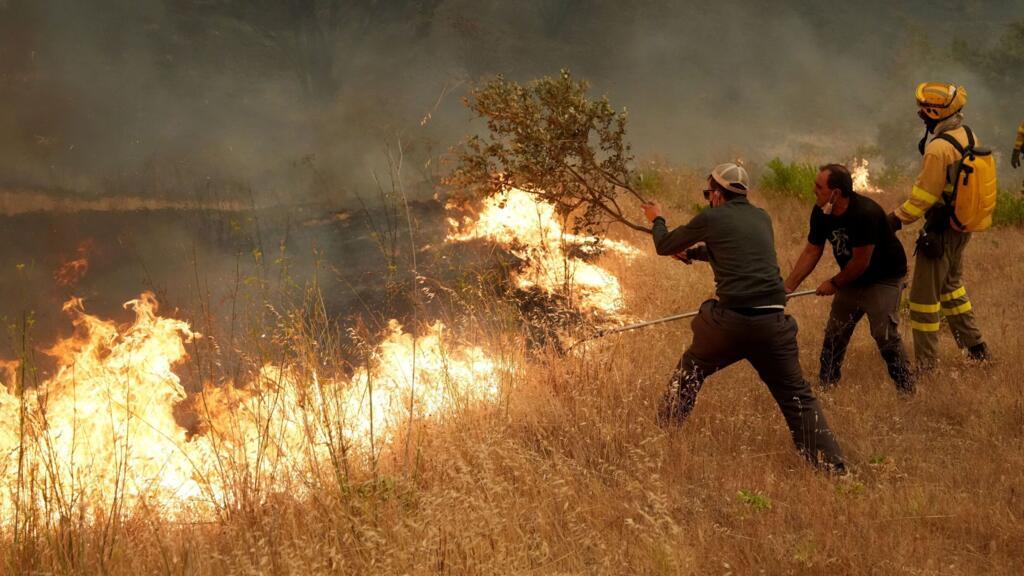
In Spain, the situation is grim. As of July 25, 2026, massive wildfires, described by officials as the worst on record for the region, have forced a staggering 70,000 people to flee their homes near Madrid. Imagine, a city like Kano or Port Harcourt, suddenly emptying out as uncontrolled flames lick at the edges of civilization. Spain’s Prime Minister, Pedro Sanchez, acknowledged the “complex” struggle, especially with unpredictable high winds fanning the inferno. Firefighters are battling not just the flames, but also the elements, in a desperate bid to “save lives” and protect inhabited areas. The air quality in Madrid itself has been so poor that residents were advised to stay indoors, their throats itching from the acrid smoke that had travelled miles from the fire zones. Families, like Jacqueline Villafranca from Peru, who was evacuated with her husband and two young daughters from Navalagamella, recounted terrifying moments, thinking “everything was going to burn, the house and everything.” They, like thousands of others, are now sheltering in sports halls and emergency centres, their lives suddenly uprooted. It's a scene of chaos, fear, and profound uncertainty, a narrative that, sadly, resonates deeply with many of our own experiences here in Nigeria when disaster strikes.
“Yesterday was unbearable. My daughter came home from holiday camp and said: 'Mum, I can’t open my eyes, my eyes are burning.' And then the alerts started to sound and I evacuated.” – A displaced mother’s raw account, echoing the universal pain of crisis.
The Main Issues
The Spanish wildfires, while geographically distant, lay bare critical issues that hit close to home for us in Nigeria: governance, preparedness, and the harsh realities of climate change. For years, we’ve grappled with our own environmental challenges – from devastating floods in the Niger Delta to the encroaching desert in the North, and the pervasive pollution that chokes our urban centres. These Spanish fires are a stark warning about the increasing frequency and intensity of extreme weather events globally. They highlight the urgent need for robust emergency response systems, clear communication channels, and effective leadership when communities are at risk. While Spain battles its blaze, we must ask ourselves: how prepared are we for similar, or even different, large-scale disasters? Do our early warning systems reach the average Nigerian? Are our emergency services adequately equipped and funded? The consolidation of two separate wildfires into one huge blaze, threatening to merge with a third, speaks to the overwhelming power of nature when unchecked, and the critical importance of swift, coordinated action. The initial reports suggest overnight conditions “greatly aided the fight against the wildfires, which advanced little and decreased in intensity”, showing that strategic response and even a slight change in conditions can make a significant difference.

- 70,000 people evacuated from homes near Madrid due to wildfires.
- Fires described as the region’s worst on record.
- High winds expected to complicate firefighting efforts.
- Smoke from fires reached central Madrid, impacting air quality.
- More than 168,000 hectares burned in Spain this year so far.
- Spain recorded its worst wildfire season in 2025, with over 393,000 hectares destroyed.
The Impact on Daily Life
For the ordinary Nigerian, whether in Lagos or Lokoja, the impact of any large-scale crisis goes straight to the pocket and the heart. Just like the Spanish families now sheltering in gymnasiums, our people, too, often find themselves displaced, losing everything they’ve worked for. Imagine a young graduate, hustling daily to make ends meet, whose small business or rented room is consumed by floodwaters or communal unrest. The Spanish mother’s agony over her daughter’s burning eyes from smoke is no different from the Nigerian parent worrying about their child breathing polluted air from industrial emissions or facing health crises due to lack of clean water. For our youth, who already navigate a challenging landscape of unemployment and limited opportunities, a disaster means even greater setbacks, pushing them further into precarity. Daily life is disrupted, livelihoods are shattered, and the already strained social safety nets are stretched to breaking point. The informal economy, which sustains millions of Nigerians, is particularly vulnerable. When people are forced to evacuate, they lose not just their homes, but their ability to earn a living, compounding economic hardship for entire families and communities. It's a cruel cycle that deepens poverty and fuels desperation, echoing the struggles of displaced families whether in Spain or in any part of our beloved continent.
Crisis Response & Impact: A Quick Look
| Metric | Well-Resourced Nation (e.g., Spain) | Nigeria (During Major Crisis) |
|---|---|---|
| Estimated Time to Deploy Initial Aid (Hours) | 12-24 | 48-120+ |
| % of Displaced Persons in Formal Shelters | >80% | <40% |
| Estimated Livelihood Loss for Affected Households (Monthly) | Up to 50% (short-term) | 70-100% (prolonged) |
| Public Trust in Emergency Response | Moderate to High | Low to Moderate |
*Estimates based on general observations and public sentiment during respective crises.
What Needs to Be Done
The lessons from Spain are clear, and they demand our attention here at home. First, strong, accountable governance is paramount. This means investing adequately in disaster preparedness, developing robust early warning systems that genuinely reach every citizen, and ensuring that our emergency services – from fire brigades to NEMA – are well-equipped, trained, and funded. It’s not enough to have plans on paper; we need functional, responsive systems that spring into action when needed. Second, we must address the root causes of our vulnerabilities, including climate change impacts and environmental degradation. This involves sustainable land management practices, reforestation efforts, and stricter enforcement of environmental laws to protect our ecosystems. Third, community resilience needs to be built from the ground up. This means empowering local communities with knowledge, resources, and leadership training to respond effectively to crises, reducing reliance on often slow central government responses. Finally, there must be a genuine focus on youth survival and empowerment. Our young people are often the most affected by crises and the least supported in recovery. Providing vocational training, psychosocial support, and pathways to sustainable livelihoods after a disaster is not just an act of charity; it’s an investment in our nation’s future. The struggles in Madrid serve as a powerful reminder that proactive measures, transparent leadership, and community solidarity are not luxuries, but essential ingredients for survival in an increasingly unpredictable world.