Intro: Fellow Nigerians, have you noticed how the cost of everything seems to be climbing faster than a kite in harmattan? From the market mama's yam prices to the fuel pump at your local station, it feels like we're constantly bracing for the next economic storm. But what if I told you that some of these struggles, these daily headaches that make our wallets lighter and our brows heavier, aren't just local issues? What if a quiet shift in a far-off land like Japan could send ripples all the way to our doorsteps here in Lagos, Abuja, or Port Harcourt? It might sound strange, but bear with me. The world is more connected than ever, and when global powers flex their muscles, it's often the everyday Nigerian who feels the squeeze.
What Is Happening on the Ground
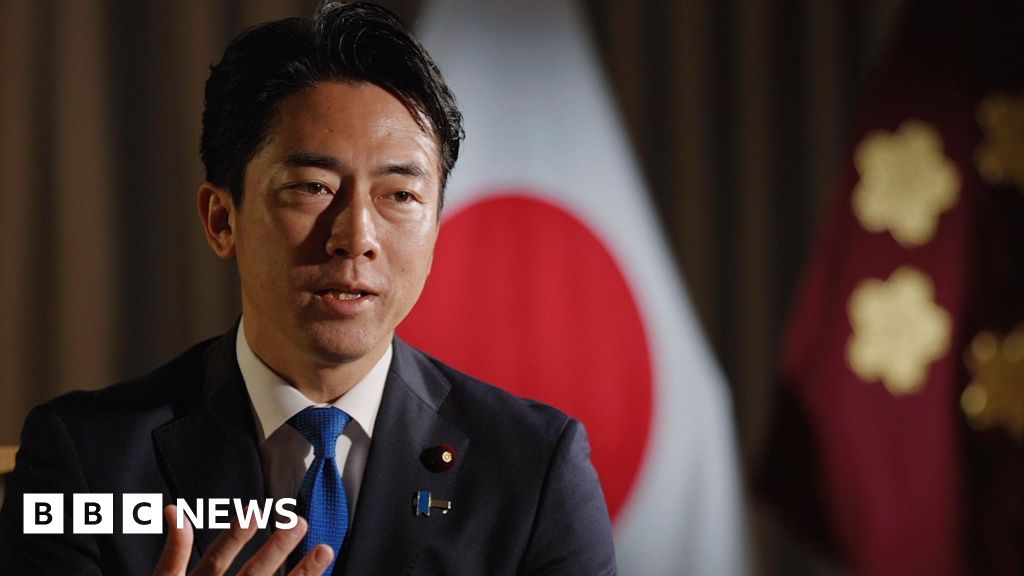
For decades, since the devastating end of World War Two, Japan has lived by a unique rule: its constitution strictly renounces war and forbids it from maintaining military forces. It was a commitment to peace, a 'pacifist posture' that made Japan an economic powerhouse rather than a military one. But hold that thought, because things are changing. Japan's Defence Minister, Shinjiro Koizumi, recently made it clear to the SStore Editorial that his country is 'ramping up defence' and sees it as 'critical' to prevent war. This isn't just talk; it's a dramatic policy shift. Japan is not only boosting its own military capabilities but also strengthening its alliance with the United States and expanding partnerships with other countries. What's more, for the first time in about 50 years, Tokyo can now sell or transfer defence equipment and lethal weapons to 17 countries, including major players like the US and the UK. We're talking about Japanese warships potentially heading to Australia, used destroyers to the Philippines, and even talks with Indonesia and New Zealand about acquiring Japanese destroyers. This 'vision of trading equipment and assets throughout the Indo-Pacific' is a game-changer, according to Koizumi. He explained that these reforms are driven by an 'increasingly tense region', citing China's emergence as a formidable global player and North Korea's worrying nuclear ambitions. Even Prime Minister Sanae Takaichi, who came to power just last October, is pushing to revise Article 9 of Japan's constitution – the very article that renounces war. Defence Minister Koizumi supports this, arguing that the world has changed too much in the past eight decades for Japan to cling to an unchanged constitution. Beijing, with its claims over Taiwan and the disputed Senkaku islands, is identified as the 'greatest strategic challenge' by Japan's Defence Ministry. While Japan insists it wants dialogue with China, the message is clear: they are preparing for a more uncertain future.
"Ah, these big countries and their endless wars! They talk about peace, but all I see is more weapons. It's us, the common people, who suffer when the world gets unstable. My children's future depends on a peaceful world, not one where everyone is building bigger bombs." - Mama Ngozi, a trader in Bodija Market, Ibadan.
The Main Issues
So, why should a Nigerian sitting in Kaduna or Calabar care about Japan's defence policy? Because these global geopolitical shifts have a direct and often painful impact on our governance realities, our economy, and the survival of our youth. When major world powers, particularly those with significant influence over global trade routes and financial markets, start re-arming and anticipating conflict, it sends jitters through the entire international system. For Nigeria, a country heavily reliant on oil exports and vulnerable to global supply chain disruptions, this instability is a major headache. Tensions in the Indo-Pacific, for example, can impact shipping lanes, driving up insurance costs and freight charges, which then translate into higher prices for imported goods in our markets. More broadly, an escalating arms race diverts global resources and attention away from critical development issues that affect nations like ours. Instead of focusing on poverty alleviation, climate change adaptation, or disease control, the world's focus shifts to security, often at our expense. For our government, navigating this complex landscape requires astute diplomacy and a clear national interest strategy. We cannot afford to be mere spectators. The decisions made in Tokyo, Washington, or Beijing have implications for foreign investment in Nigeria, the availability of international aid, and even the geopolitical alliances that shape our continent's future. Our leaders must understand that a 'multi-layered deterrence' in the Indo-Pacific can also mean a more precarious economic environment for us here. The world is becoming increasingly multipolar, with Africa emerging as a key arena for geopolitical competition. This means our leaders have opportunities to forge diversified partnerships, but also face risks of becoming entangled in rivalries not of our making. Africa needs to speak with one voice to improve its collective negotiation capacity and ensure its voice is heard internationally.
- Japan, for the first time in 50 years, is now able to sell or transfer lethal defence equipment to 17 countries, marking a significant departure from its post-WWII pacifist stance.
- The primary drivers for Japan's defence ramp-up are the growing influence of China and North Korea's nuclear ambitions, highlighting increasing tensions in the Indo-Pacific region.
- Prime Minister Sanae Takaichi and Defence Minister Koizumi are advocating for the revision of Article 9 of Japan's constitution, which currently renounces war and limits military capabilities.
- Global geopolitical instability, even in distant regions, can lead to disruptions in international trade, increased shipping costs, and diverted global resources, directly impacting economies like Nigeria's.
- Increased militarization globally necessitates a stronger focus on economic diversification and regional cooperation within Africa to mitigate external shocks and leverage Africa's strategic importance.
- Youth unemployment remains a critical issue in Nigeria, with over 80 million young people struggling, making them particularly vulnerable to economic instability caused by global shifts.
The Impact on Daily Life
Let's bring it home. How does Japan buying more destroyers or selling weapons to the UK affect you, the everyday Nigerian? Think about it this way: when global stability is threatened, investors get nervous. Foreign direct investment, which is crucial for job creation and economic growth in Nigeria, might slow down. International trade, especially for our oil, can become more volatile. If shipping lanes in the Indo-Pacific become riskier, the cost of transporting goods to and from Nigeria can spike. This means the electronics you buy, the medicines we import, and even the spare parts for our machinery could become more expensive. Our local manufacturers, already battling high production costs, might face further challenges in importing raw materials or exporting their finished goods. For our youth, who are already grappling with staggering unemployment rates – with over 80 million young people struggling out of a total youth population of 151 million – a globally unstable economic climate means fewer opportunities. This statistic positions Nigeria as having one of the highest rates of youth unemployment globally, leading to social instability, economic stagnation, and threats to national security. Dreams of starting a business, finding a decent job, or even migrating for better prospects become harder to achieve. The competition for resources intensifies, and our nation's ability to provide essential services like education and healthcare might be strained if our revenue streams are impacted by global economic shocks. The truth is, while the leaders in Tokyo talk about 'multi-layered deterrence,' we need to think about 'multi-layered resilience' here in Nigeria – resilience in our economy, in our communities, and in our national spirit.
Consider this simple comparison of how global factors and local policies can influence local market prices, creating a deepening cost-of-living crisis:
| Item | Average Price (2022) | Average Price (Early-Mid 2026) | % Increase (approx.) |
|---|---|---|---|
| 50kg Bag of Rice | ₦28,000 | ₦65,000 - ₦82,000 | 132% - 193% |
| 1 Litre of Petrol | ₦180 | ₦700 - ₦1,470 | 289% - 716% |
| 1 Tub of Semovita (10kg) | ₦6,000 (est.) | ₦18,000 (est.) | 200% |
(Prices are approximate and can vary significantly by location and current market conditions. This chart illustrates general trends influenced by factors including global supply chains, energy costs, and local policies, contributing to a substantial decline in purchasing power.)
What Needs to Be Done
So, what can we, as Nigerians, and our leaders do in the face of these shifting global dynamics? First, and perhaps most critically, is the need for astute governance and a focused national strategy. Our government must prioritize economic diversification, moving beyond over-reliance on oil to build robust agricultural, manufacturing, and tech sectors. This will insulate us from volatile global commodity prices and create sustainable jobs for our teeming youth. We need to invest heavily in education and skills development, equipping our young population with the tools to thrive in a competitive global economy. Entrepreneurship must be fostered, with access to capital and supportive policies. Secondly, inter-African relationships are more vital now than ever. In a world where powerful nations are strengthening their alliances and militarizing, Africa must solidify its own regional blocs. The Economic Community of West African States (ECOWAS) and the African Union (AU) need to evolve beyond talk shops to become powerful, unified entities that can negotiate effectively on the global stage, protect our collective interests, and foster intra-African trade and security cooperation. Imagine the collective bargaining power and economic resilience of a truly integrated Africa! We need to move towards self-reliance in critical areas, reducing our dependence on external forces for both our security and our economic well-being. This includes domestic resource mobilization, rather than reflexively seeking alternative benefactors. Finally, as citizens, we must be informed and engaged. Understanding these complex global issues, holding our leaders accountable, and demanding policies that prioritize our long-term stability and prosperity is crucial. The choices made in distant capitals have consequences for our daily lives. Let's make sure our voices are heard, demanding a future where peace and development, not constant tension and militarization, define our world. The world is changing, and Nigeria must not be left behind; we must proactively shape our destiny.