
Intro: Ah, Nigeria! A land bustling with dreams, enterprise, and an unyielding spirit. From the busy markets of Onitsha to the tech hubs of Yaba, our people are always on the grind, always looking for that next opportunity. But what if I told you that a squabble happening thousands of miles away, between two global giants – America and China – over tiny computer chips could directly impact your daily hustle? Could make that new phone you're saving for cost even more? Or perhaps make the internet data you rely on for your business a luxury? It sounds distant, a "white man's problem," right? But trust me, in today's interconnected world, when elephants fight, the grass – our grass – often gets trampled. And right now, the elephants are sparring over technology, specifically memory chips, and the dust from their tussle is already settling on our streets, in our homes, and in the pockets of every hardworking Nigerian.
What Is Happening on the Ground
So, let's break it down simply. There's a company called Micron Technology, an American giant that makes memory chips. These are the crucial little brains inside your phone, laptop, smart TV, and even the cars we drive. Without them, nothing digital really works. Now, China, a massive consumer and manufacturer of tech, has launched an investigation into Micron. They're saying they want to check if Micron's products pose 'cybersecurity risks' to their country. On the surface, it sounds like a routine check, but scratch a little deeper, and you'll see it’s much more. This move by China is widely seen as a direct comeback, a retaliatory punch, after the United States and its allies in Europe and Asia started putting tighter restrictions on selling key technology, including advanced chip-making equipment, to Beijing. It's a high-stakes game of technological chess, where each side is trying to limit the other's access to critical components and advanced manufacturing capabilities. For us, what this means is that the global supply chain for electronics, already fragile from the pandemic, is now under even more pressure. When the world's two biggest economies start playing hardball with essential tech, everyone else feels the tremor. From the phone vendors in Computer Village, Ikeja, to the student trying to buy a laptop for online classes in Enugu, the ripples of this distant tech war are real. It's not just about trade; it's about who controls the future of technology, and by extension, global power. And developing nations like Nigeria are often caught in the crossfire, reliant on both sides for different aspects of our technological needs.
As one market trader in Lagos famously put it, 'Dem dey fight for America, na our pocket for Nigeria dey suffer!'
The Main Issues
Why should this matter to the everyday Nigerian struggling with fuel prices and rising food costs? Because technology is no longer a luxury; it’s a fundamental part of our lives and economy. The main issue here is global tech dependency. Nigeria, like many African nations, is a net importer of technology. We don't manufacture these advanced chips; we buy devices that contain them. When there are tensions between the primary producers (like the US) and the major assemblers/consumers (like China), it disrupts the entire ecosystem. Firstly, it creates uncertainty in global supply chains. Manufacturers, unsure of future access to components or markets, might slow down production or increase prices to cover potential risks. This directly translates to higher costs for imported goods – your smartphones, laptops, even basic electronic components needed for repairs. Secondly, it could stifle innovation and access. If certain technologies become restricted, it might limit our ability to adopt the latest advancements or even maintain existing infrastructure. Imagine if critical components for our telecommunications networks become harder to source or more expensive. That could impact network quality, data costs, and even the pace of our digital transformation efforts. Thirdly, this tech war highlights our vulnerability. Our economy, our youth’s entrepreneurial spirit, and even our governance systems are increasingly digital. Without a robust local tech manufacturing base, or at least diversified sourcing options, we remain at the mercy of international geopolitical squabbles. It's a stark reminder that while we cheer for local tech startups, the foundational building blocks of their innovations often come from distant lands, subject to distant politics. The longer this tech tension escalates, the more volatile the global market for essential electronics becomes, and Nigeria’s ability to navigate this without significant economic impact becomes a major concern for both government and citizens alike.
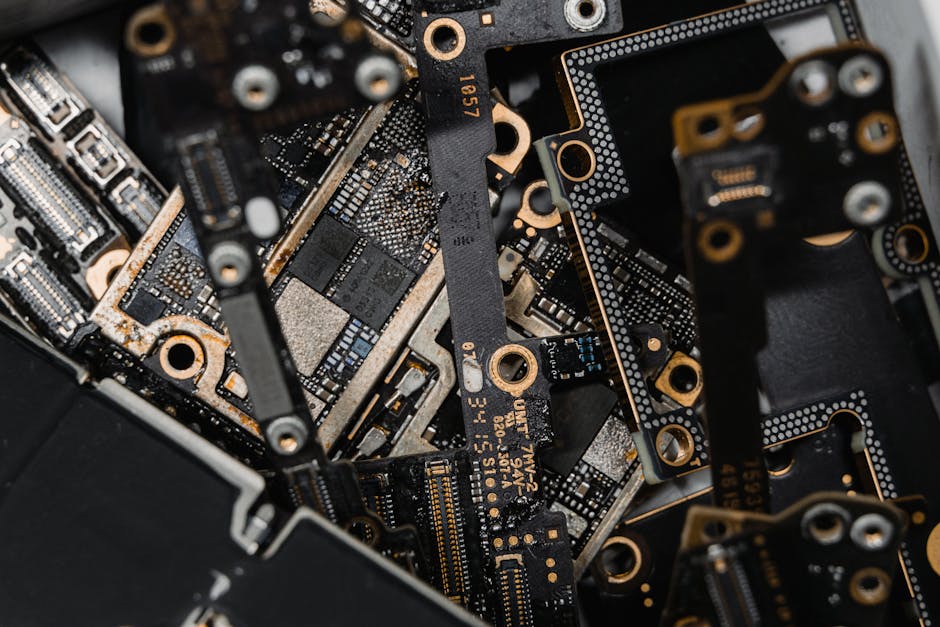
- The global semiconductor market is projected to reach over $1 trillion by 2030, highlighting the immense economic stakes involved in this tech competition.
- Nigeria imports virtually all its sophisticated electronic components, making it highly susceptible to disruptions in global technology supply chains.
- Youth unemployment in Nigeria remains persistently high, with technology and digital skills widely recognized as crucial pathways to economic survival and sustainable growth.
- Increased costs for technology disproportionately affect low-income households and small businesses, hindering their ability to digitalize and participate in the modern economy.
Tech Costs: Then vs. Now (Estimated for Nigeria)
Note: These are average estimates and can vary based on brand, region, and market fluctuations. They reflect general market trends influenced by various factors, including global tech supply, inflation, and currency depreciation.
The Impact on Daily Life
Let's bring this home. What does this US-China tech war actually mean for you, mama Ngozi selling clothes online, or brother Emeka trying to run his graphics design business? It means that the cost of doing business, the cost of living, could get even higher. We've already seen how inflation bites. Now, add this:
- More Expensive Gadgets: That new Infinix, Samsung, or iPhone you've been eyeing? Expect its price tag to creep up. Chip shortages or increased manufacturing costs due to tariffs and restrictions are passed directly to the consumer. For many Nigerians, a smartphone isn't just a luxury; it's a lifeline for communication, mobile banking, and accessing markets.
- Higher Data Costs: If the infrastructure needed to run our internet networks – the servers, routers, and other telecom equipment – becomes more expensive to procure or maintain due to chip issues, expect network providers to eventually pass those costs onto you through higher data tariffs. This is a cruel blow in a country where data is already seen as expensive.
- Slower Tech Adoption: Businesses and individuals might delay upgrading equipment or adopting new technologies if the costs become prohibitive. This slows down our national digital transformation efforts and keeps us behind.
- Impact on Youth Survival: Our vibrant youth, the 'gen Z' who live and breathe digital, are particularly vulnerable. Many are finding ways to survive and thrive through online businesses, freelancing, and content creation. Their tools are smartphones, laptops, and reliable internet. If these become harder to afford or access, it directly impacts their ability to earn a living and escape poverty. It can fuel the 'japa' syndrome, where young, skilled Nigerians seek opportunities in countries with better tech access and economic stability.
- Maintenance and Repairs: Even fixing your existing devices could become more challenging. If spare parts, which also contain chips, become scarce or more expensive, repairs will cost more, or devices might become unrepairable, forcing early, costly replacements.
This isn't just about big corporations; it's about the small-scale farmer using a smartphone for market access, the student attending online lectures, the artisan selling crafts on Instagram. The digital divide, already a significant challenge, could widen further, leaving more people behind in an increasingly digital world.
What Needs to Be Done
So, what can Nigeria do in the face of these global tech storms? We cannot control the geopolitical tensions between Washington and Beijing, but we can certainly chart a course for our own resilience.
First, Invest in Local Tech Ecosystems: This isn't just about software; it's about hardware too. We need to genuinely support local manufacturing and assembly of electronics. Even if we can't make advanced chips yet, we can assemble devices, repair them, and develop components. This requires serious government incentives, access to capital for local entrepreneurs, and robust infrastructure.
Second, Diversify Supply Chains: Nigeria should actively seek partnerships beyond the traditional US-Europe-China axis for technology. Exploring options with other emerging tech players, or even fostering stronger intra-African collaborations, can reduce our dependency on single sources. Imagine an ECOWAS-wide initiative for tech sourcing and innovation.
Third, Prioritize Digital Literacy and Skills Development: Equip our youth, from primary school upwards, with advanced digital skills. This will not only make them consumers of technology but also creators, innovators, and problem-solvers. Education is our most powerful tool against economic vulnerability.
Fourth, Strengthen Regulatory Frameworks: Our government needs to be proactive in creating policies that protect consumers from exorbitant tech prices, encourage competition, and ensure data privacy and cybersecurity in a landscape riddled with global espionage concerns.
Fifth, Diplomatic Engagement: Nigeria must use its voice on the international stage to advocate for global tech cooperation and stability. We need to remind the global powers that their battles have real human costs in developing nations.
This isn't a plea for charity; it's a call for strategic thinking and national pride. We must move beyond being mere consumers of technology and aspire to be significant players, or at least, intelligent navigators, in the complex global tech landscape. Our future, and the survival of our youth, depends on it. We must build a Nigeria that is resilient, innovative, and less vulnerable to the whims of faraway powers, ensuring that our collective hustle is not derailed by distant feuds.