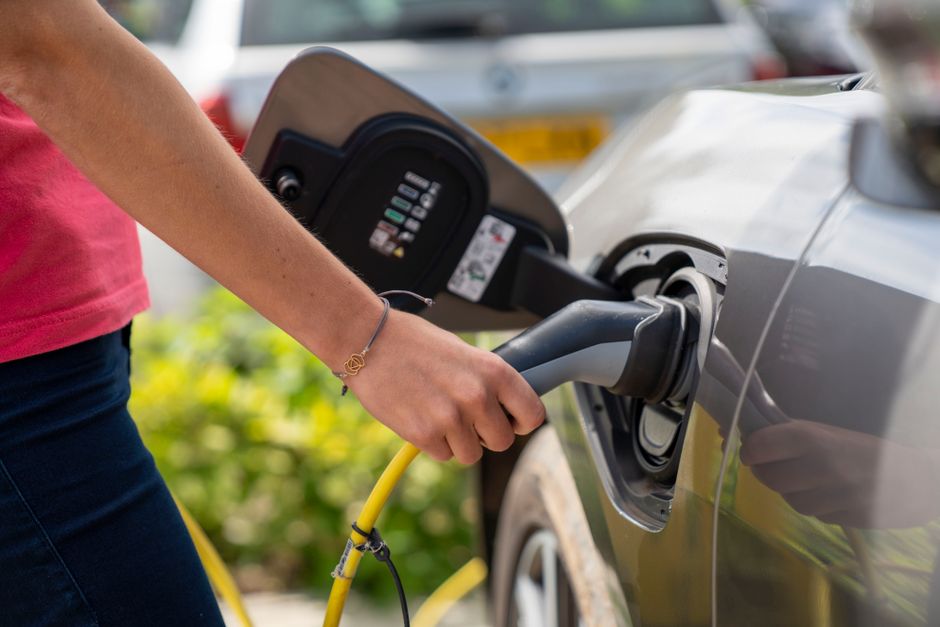
The electric vehicle landscape is undergoing a seismic shift, and at the epicentre of this revolution sits Chinese automotive giant Chery. In a move that sent reverberations across the global auto industry, Chery recently pulled back the curtain on its groundbreaking solid-state battery technology at a highly anticipated 'Battery Night' event on March 18, 2026. This isn't just an incremental improvement; it's a quantum leap, promising an astonishing driving range exceeding 1,500 kilometres on a single charge and an energy density that redefines industry benchmarks.
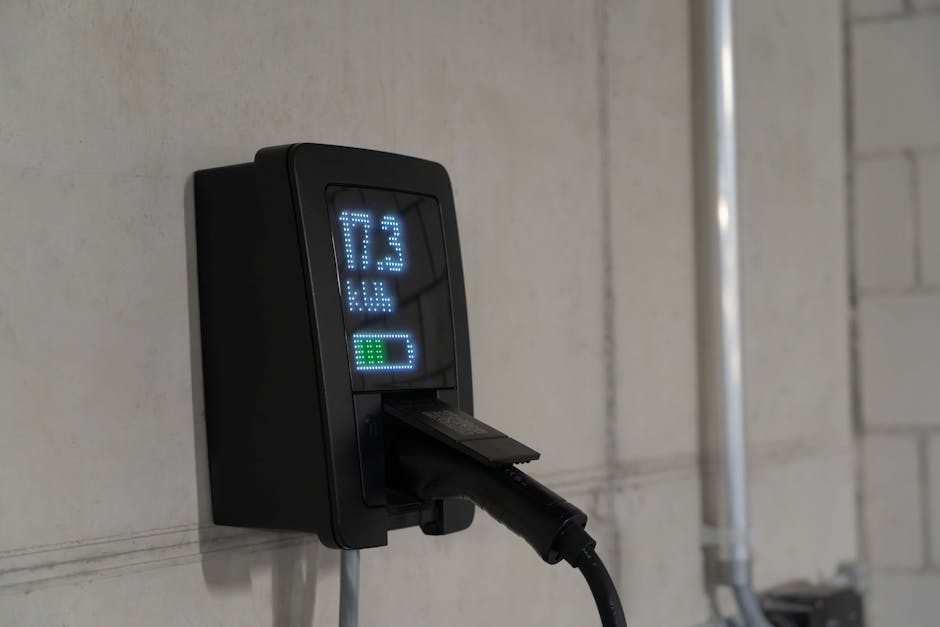
For too long, range anxiety has been the silent antagonist in the EV narrative, a phantom fear curtailing widespread adoption, particularly in expansive and diverse markets like Africa. Chery’s unveiling, however, has not only cast a bright light on this challenge but potentially extinguished it altogether. Their solid-state marvel, part of the newly introduced Rhino Battery series, leverages an in-situ polymerized solid-electrolyte system coupled with a lithium-rich manganese cathode material. This innovative composition isn't merely about power; it’s about safety, resilience, and pushing the boundaries of what was once deemed impossible.
A Deep Dive into the 'Rhino S' Battery's Unrivalled Prowess
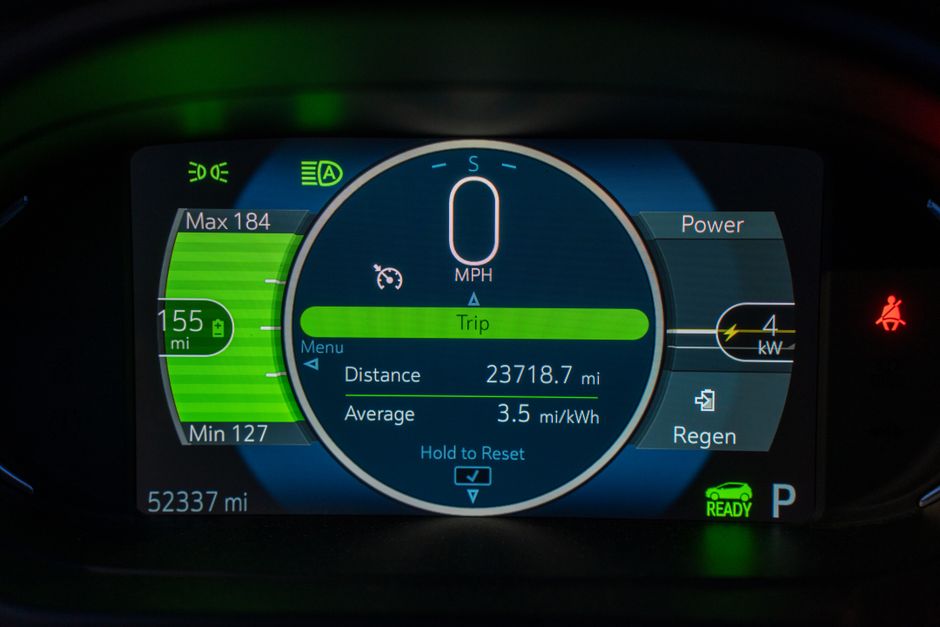
The core of Chery's breakthrough lies in its staggering energy density. The 'Rhino S' solid-state battery boasts an energy density of up to 600 Wh/kg. To put this into perspective, this figure is approximately three times that of current mainstream liquid lithium-ion battery cells. This monumental increase is the bedrock upon which Chery builds its promise of unprecedented range, far surpassing the previously reported 1,200-1,300 km and firmly establishing a new benchmark at over 1,500 km.
"Solid-state is seen as a game-changing upgrade for electric vehicles, making range anxiety a relic of history. By using a solid material to transfer power, it can store substantially more energy than conventional batteries."
— CarsGuide, Reporting on Chery's Solid-State Plans
Safety, often a key concern in high-energy battery technologies, has also been rigorously addressed. Chery's solid-state battery has reportedly passed a barrage of extreme safety tests, including nail penetration and drilling, demonstrating its remarkable stability. Furthermore, it exhibits reliable performance in brutally cold conditions, operating effectively at temperatures as low as -30 degrees Celsius. This resilience is particularly pertinent for diverse global climates, from the scorching African savanna to the freezing European winters.
The Road to Commercialisation: A Swift, Strategic Deployment
Chery's ambitions extend beyond laboratory marvels; they are firmly rooted in real-world application. The company has outlined an aggressive yet meticulously planned roadmap for commercialisation. Deployment in limited operational scenarios is set to begin as early as 2026. Following this, rigorous vehicle testing on models such as the Exeed ES8 and the Liefeng shooting brake is slated for 2027. Mass-market availability is also targeted for 2027, positioning Chery ahead of many key rivals in the race for full solid-state battery adoption. This accelerated timeline includes achieving 0.5GWh pilot line production and pack sample completion in 2026, alongside continuous production of 60Ah-level solid-state battery cells.
The 'Battery Night' event also highlighted advancements in charging infrastructure. Chery's new EVs will feature an 800-volt platform for super-fast charging. Complementing this, the company also unveiled its 'Rhino liquid battery,' a rapid-charging solution capable of adding 500 kilometres of range in a mere 8 minutes, supported by 1,200 kW charging. This dual approach to battery technology and charging promises to drastically reduce downtime and enhance the overall EV user experience.
Global Implications and the African Horizon
Chery's bold stride into solid-state battery technology places it at the forefront of the global EV transition. While competitors like BYD, Toyota, BMW, CATL, and Geely are also making significant headway, Chery's stated mass production timelines for full solid-state batteries appear to be a step ahead. This competitive edge is critical as the world races towards sustainable mobility. For Africa, a continent ripe for technological disruption and with unique infrastructure challenges, Chery's advancements are particularly significant. The promise of extended range and robust performance in diverse climates could unlock unprecedented opportunities for EV adoption, powering everything from urban commutes to cross-country logistics. As governments and private sectors across the continent increasingly invest in green energy and smart infrastructure, Chery's solid-state battery could prove to be the linchpin that truly electrifies African roads, ushering in an era of cleaner, more efficient, and more reliable transportation.