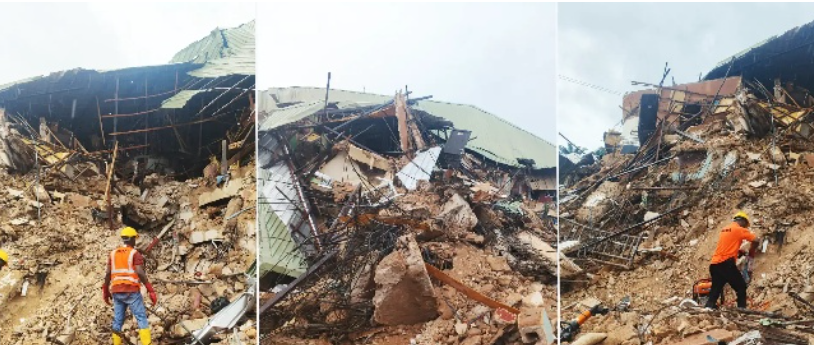
Intro: The dust had barely settled, but the grief hung heavy, a suffocating blanket over Kawel community in Bokkos Local Government Area of Plateau State. Just yesterday, Tuesday, June 23, 2026, the silence of dawn was shattered by the horrifying sounds of gunfire and screams, leaving behind a trail of sorrow, buried dreams, and questions that echo in the hearts of every Nigerian. For families in Kawel, the simple act of sleeping in their own homes has become a luxury, a gamble against unseen forces of violence. This isn't just another news headline; it's the raw, painful reality etched into the faces of our mothers, fathers, and children, who wake each day to the uncertainty of survival in their ancestral lands.
What Is Happening on the Ground: A Cycle of Fear and Response
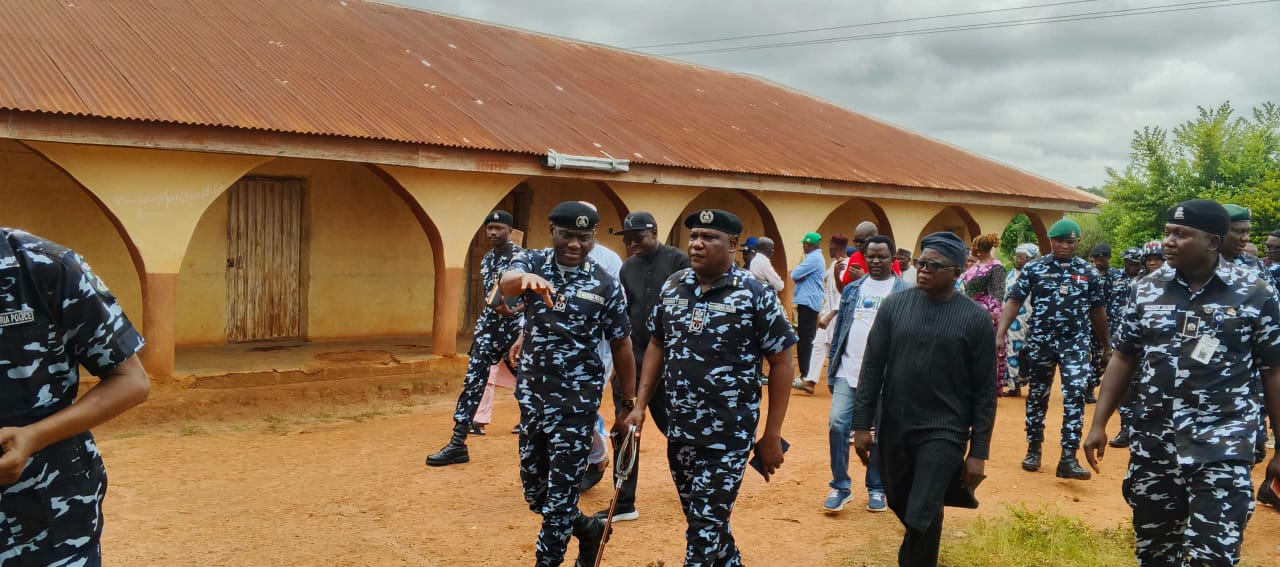
In the wake of the brutal assault on Kawel, a quiet farming community, the Inspector-General of Police (IGP) Olatunji Rilwan Disu has swiftly moved to address the escalating security concerns in Plateau State. On Tuesday, a high-level deployment saw the Assistant Inspector-General of Police (AIG) in charge of Zone 4 Headquarters, Makurdi, AIG Dankombo Morris, dispatched to the troubled region. This isn't just a symbolic gesture; it's meant to be a direct intervention aimed at conducting an 'on-the-spot assessment' of the security landscape and putting in place measures to prevent further bloodshed and restore a semblance of peace. The IGP didn't stop there. He also authorized the immediate deployment of additional police manpower and operational assets. We're talking about the Police Mobile Force – those fierce, well-equipped officers – and tactical teams, all to bolster the security presence in Bokkos. This move is crucial because, for too long, our communities have felt abandoned, left to fend for themselves against well-armed assailants. AIG Morris, alongside members of the Plateau State Police Command Management Team, didn't waste time. During his visit to Bokkos on Tuesday, he engaged directly with local government leadership, traditional institutions, and other critical stakeholders. This kind of dialogue is vital, as local leaders are the heartbeat of our communities, holding the pulse of their people's fears and hopes. Their insights are invaluable in crafting truly effective security strategies, not just Abuja-mandated directives.
'We appeal for sustained deployment of security personnel and operational assets to complement ongoing efforts to secure lives and property,' pleaded Hon. Amalau Samuel Amalau, the Chairman of Bokkos Local Government Area, his voice heavy with the grief of burying victims of what he rightly called a 'tragic and unprovoked act of criminality.' His words capture the persistent plea of every community living under the shadow of violence across our nation.
The Main Issues: Beyond the Headlines, Beneath the Surface
The attack on Kawel isn't an isolated incident; it's a grim reminder of the deeper, festering wounds in our society. Plateau State, known as the 'Home of Peace and Tourism,' has, for far too long, been a theatre of recurring violence, often attributed to ethno-religious clashes, land disputes, and resource control struggles. But for the everyday citizen, these labels often obscure the raw reality: insecurity. The problem isn't just about deploying more police; it's about the sustainability of that deployment, the intelligence gathering that precedes and informs it, and the swift administration of justice that follows. When perpetrators of such heinous crimes go unpunished, it breeds a cycle of impunity and retaliation. Our governance realities are laid bare in these moments. The immediate response from the IGP is commendable, but the challenge lies in transitioning from reactive measures to proactive, intelligence-driven security operations that genuinely protect vulnerable communities. There's a glaring disconnect between the pronouncements from Abuja and the lived experiences of our people in rural areas, who often feel that security agencies arrive after the damage is done. The appeal by Mrs. Hajara Yunana, President of the Women in Politics Initiative, Plateau State chapter, for assurances to 'translate into concrete action' and for the deployment of 'modern policing technology' isn't just a wish; it's a critical demand from citizens who are tired of empty promises. Our traditional security architecture, which relied on community vigilance and mutual trust, has been eroded by these repeated conflicts, leaving a vacuum that criminals exploit with devastating efficiency. The lack of proper mapping of conflict flashpoints, insufficient patrol routes, and the often rudimentary communication systems available to local security formations are serious impediments to effective policing.
- The attack occurred on June 23, 2026, in Kawel community, Mushere District of Bokkos Local Government Area, Plateau State.
- Inspector-General of Police (IGP) Olatunji Rilwan Disu deployed AIG Dankombo Morris of Zone 4 Headquarters to Plateau.
- Additional Police Mobile Force and tactical teams were deployed to strengthen security.
- Victims of the attack have been buried, according to Hon. Amalau Samuel Amalau, Bokkos LGA Chairman.
- Mrs. Hajara Yunana of Women in Politics Initiative called for concrete action and modern policing technology.
The Impact on Daily Life: A Crushing Burden
For the average Nigerian in communities like Kawel, these attacks don't just register as casualty figures; they translate into a crushing burden on their daily existence, their dreams, and their pockets. Imagine being a farmer, your entire livelihood dependent on your land, only to be too terrified to step into your fields. Your crops wither, your livestock are rustled, and the very source of your family's food and income evaporates. This isn't just a loss of profit; it's a direct assault on food security for the entire region and beyond. Market days, once bustling hubs of commerce and community interaction, become ghost towns as traders fear ambushes and customers stay home. Children, the future of our nation, are often the unseen victims. Schools in affected areas shut down or operate with minimal attendance, setting back their education for years. The trauma of witnessing violence, losing loved ones, or being displaced leaves deep psychological scars that may never fully heal. Healthcare access becomes a nightmare. Clinics may be abandoned by staff, or roads leading to them become too dangerous to travel. Pregnant women, the elderly, and the sick are left vulnerable, often succumbing to preventable ailments. Youth survival is particularly precarious. With education disrupted and economic opportunities stifled, many young people face a bleak future, making them susceptible to recruitment into criminal gangs or militia groups, further entrenching the cycle of violence. The cost of living in such areas often paradoxically rises due to scarcity, even as people's incomes plummet. The communal fabric, woven over generations, begins to fray under the strain of suspicion and fear. Trust, once abundant, becomes a scarce commodity.
| Aspect of Security | Ideal Community Expectation | Observed Reality (often) |
|---|---|---|
| Response Time | Immediate deployment (within hours) | Reactive deployment (after attacks) |
| Presence | Sustained, visible patrols & intelligence gathering | Temporary, high-profile presence that wanes |
| Technology Use | Drones, surveillance, rapid communication | Limited, outdated equipment; reliance on physical patrols |
| Justice Process | Swift arrest, investigation & prosecution | Slow, often inconclusive, fostering impunity |
What Needs to Be Done: A Path Towards Lasting Peace
The efforts of the IGP are a welcome start, but they must be part of a larger, more comprehensive strategy to restore lasting peace and security to Plateau State and other troubled regions of Nigeria. First and foremost, the deployment of security personnel must be sustained and proactive, not just reactive. We need permanent bases, not just temporary deployments, in vulnerable communities. These forces must be adequately equipped, motivated, and deeply integrated with local intelligence networks. Secondly, the appeal for modern policing technology by Mrs. Yunana is not just a luxury; it's a necessity. Drones for surveillance, improved communication systems, and forensic capabilities are vital for identifying, tracking, and apprehending criminals operating in difficult terrains. Our security agencies need to move beyond traditional methods to outwit these well-organized criminal elements. Thirdly, the justice system must be seen to work. Speedy investigations, arrests, and diligent prosecution of perpetrators are critical to break the cycle of impunity. When justice is delayed or denied, it fuels resentment and encourages self-help mechanisms, which only exacerbate the violence. Community engagement is paramount. Security agencies must build trust with the local population, who are often the first line of defense and possess invaluable intelligence. Joint security committees involving traditional rulers, youth leaders, women's groups, and security personnel can foster better cooperation and information sharing. Lastly, and perhaps most importantly, we must address the root causes of these conflicts. This includes equitable land resource management, youth empowerment programs to provide alternatives to crime, and genuine dialogue to resolve long-standing ethnic and religious tensions. Investment in education, agriculture, and small businesses in these communities can provide a lifeline for young people and reduce their vulnerability to extremist ideologies. AIG Morris's assurance that the situation is 'under control' and his encouragement for residents to 'go about their lawful activities without fear' offers a glimmer of hope. But for these words to truly resonate, they must be backed by consistent action, transparency, and a steadfast commitment to protecting every Nigerian life. It is time for our leaders to deliver not just promises, but enduring peace for our struggling communities.