Intro: From the bustling markets of Lagos to the online stores catering to our youth, beauty products are everywhere in Nigeria. We all want to look good, feel confident, and often, we're drawn to promises of 'natural,' 'organic,' or 'clean' beauty. But what if those enticing labels are not telling us the full story? What if the very products we trust for our well-being are actually putting our health, and even our environment, at risk? The global beauty industry is a massive, N500 billion enterprise, but its grand promises of 'going green' are proving to be nothing short of a confusing, and often dangerous, patchwork, particularly here in Nigeria.
What Is Happening on the Ground
Walk through any Nigerian market or scroll through social media, and you'll find an explosion of beauty products. From skin lighteners promising a ' fairer complexion' to creams touting 'natural glow,' the demand is huge. Many Nigerians, especially our vibrant youth, are keen to embrace sustainable choices, with a global study from Simon Kucher showing that 60% of consumers consider sustainability important when buying, and a significant 35% are willing to pay more for truly eco-friendly products. This demand has spurred many brands, both international and local, to slap 'green' labels on their offerings. They promise to ditch single-use plastics, offer refillable options, and be transparent about ingredients. Yet, for the average Nigerian consumer, trying to decipher what's genuinely good from what's cleverly marketed is like searching for a needle in a haystack. There's no clear rulebook, no universal standard for what information companies *must* share with us, or how. This free-for-all has opened the door wide for what many experts call 'greenwashing' — where sustainability claims are loudly made but rarely backed up.
‘Na every market wey you go, dem go tell you say their product na pure organic, say no chemical. But sometimes, na the same thing wey dey spoil our skin. How we go know the truth?’ — A market trader in Oshodi, Lagos.
The Main Issues
The problem is multifaceted. First, the term 'clean beauty' has become a marketing buzzword, often used to sell products that are neither organic, nor truly sustainable, nor ethically made. Millie Kendall, CEO of the British Beauty Council, rightly points out that this term has become ‘quite dangerous’ and is losing credibility as consumers become savvier. Here in Nigeria, where robust regulatory oversight can be a challenge, such vague claims run rampant, misleading countless individuals.
Second, there's the pervasive and deeply concerning issue of skin whitening. The original article highlights that even as brands rebrand in the West, many continue to offer skin-whitening products ‘elsewhere.’ ‘Elsewhere’ often means countries like Nigeria, where societal pressures for lighter skin persist. These products, often marketed under the guise of ‘brightening’ or ‘glowing,’ frequently contain harmful ingredients like mercury and hydroquinone. The dangers are real and devastating; we’ve heard stories, like the one about a mother losing her peripheral vision from mercury exposure in beauty creams. Experts warn that even supposedly 'natural' ingredients can carry a 'toxic load,' with heavy metals naturally occurring in the earth's components. So, simply being 'natural' doesn't automatically mean 'safe.'
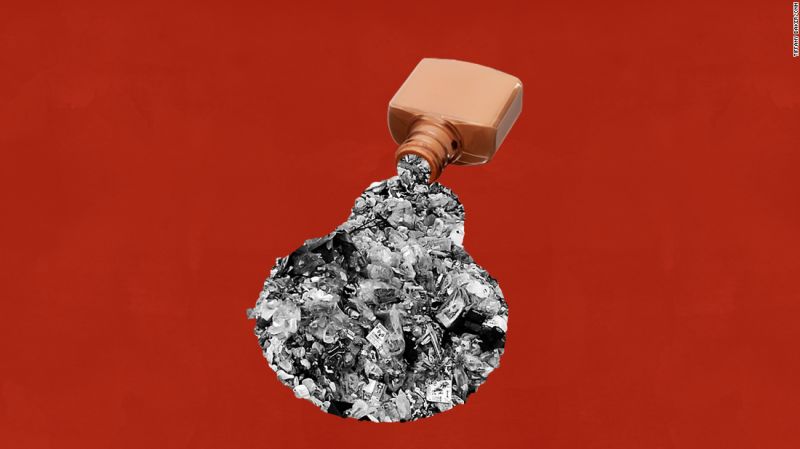
Third, the issue of packaging is a huge environmental nightmare. The global beauty industry churns out massive amounts of plastic, much of it single-use. In Nigeria, this translates to overflowing landfills, blocked drainage systems, and plastic pollution choking our waterways and land. While some brands talk about recyclable or refillable options, these efforts are inconsistent at best. Without a collective goal, a global strategy, and standardized regulations, the clean-up efforts are falling short.

| Product Type | Common Marketing Claim (Perceived Benefit) | Hidden Reality (Potential Risk/Issue) |
|---|---|---|
| 'Organic' Skin Lightener (Unregulated) | 'Achieve a lighter, glowing complexion naturally.' | Often contains mercury, hydroquinone. Risks: kidney damage, nerve damage, skin thinning, peripheral vision loss. |
| 'Clean Beauty' Products (Unverified) | 'Free from harsh chemicals, gentle on skin.' | Lack of standardized definition; may still contain irritants or poorly sourced 'natural' ingredients with toxic loads. |
| Imported Products (Uncertified by NAFDAC) | 'High-quality international standard.' | Could be counterfeits, expired, or reformulated for other markets without local safety checks. |
The Impact on Daily Life
This widespread confusion and lack of regulation have a profound impact on the daily lives and pockets of ordinary Nigerians. Firstly, health implications are severe. Imagine spending your hard-earned money on a product only to end up with chronic skin conditions, kidney damage, or even vision loss. The cost of treating such ailments — often requiring specialized medical care — can quickly deplete family savings, pushing households further into poverty. This is not just a personal tragedy; it places an immense burden on our already stretched healthcare system.
Secondly, it's an economic squeeze. Consumers are often tricked into paying premium prices for ‘green’ or ‘natural’ products that offer no real benefit, or worse, are actively harmful. Small local businesses that genuinely strive for sustainable and safe practices find it hard to compete with unscrupulous marketers flooding the market with cheap, unverified alternatives. Our youth, especially, are vulnerable, often influenced by social media trends and peer pressure to achieve certain beauty standards, pushing them towards quick fixes that could have long-term repercussions.
Lastly, the environmental cost is undeniable. Nigeria is already battling significant waste management challenges. The influx of non-recyclable beauty packaging exacerbates this problem, contributing to clogged gutters that lead to flooding, polluting our soil, and threatening public health. Every piece of plastic from a discarded lotion bottle or makeup compact adds to the monumental task of waste disposal and environmental remediation.
What Needs to Be Done
The way out of this quagmire, as many experts agree, is transparency and accountability. Here in Nigeria, this means several crucial steps:
1. Empowering NAFDAC: The National Agency for Food and Drug Administration and Control (NAFDAC) must be further strengthened with resources and legislative teeth to enforce stricter regulations on beauty products, both imported and locally manufactured. This includes mandatory ingredient disclosure, clear labeling standards (perhaps even in local languages), and aggressive campaigns against misleading marketing and counterfeit products.
2. Consumer Education: We, the consumers, need to be better informed. There's a pressing need for public awareness campaigns — through radio, television, social media, and community outreach — to educate Nigerians, particularly women and youth, about the dangers of unregulated products, the meaning behind different ingredients, and how to spot greenwashing. Understanding that ‘natural’ doesn’t always mean ‘safe’ is a critical lesson.
3. Industry Accountability: Brands operating in Nigeria, whether international giants or local startups, must be held to higher standards. They should adopt universal, transparent practices regarding ingredient sourcing, manufacturing, and packaging. This means moving beyond vague claims to genuine sustainability efforts and providing certifications that consumers can trust.
4. Supporting Local Sustainable Innovators: We need to encourage and provide platforms for Nigerian entrepreneurs who are genuinely committed to creating safe, effective, and environmentally friendly beauty products. This includes access to funding, mentorship, and certification processes that are both rigorous and supportive.
5. Improving Waste Infrastructure: While brands have a role to play, the government and local authorities must also invest in robust waste management and recycling infrastructure nationwide. This will ensure that even genuinely recyclable packaging can be properly processed, reducing environmental pollution.
The current state of the beauty industry’s ‘green’ ambitions is indeed a patchwork, falling short globally, and with particularly stark consequences for countries like Nigeria. It’s time for collective action from government, industry, and consumers to ensure that beauty truly is skin deep — not deep into our health and environment.