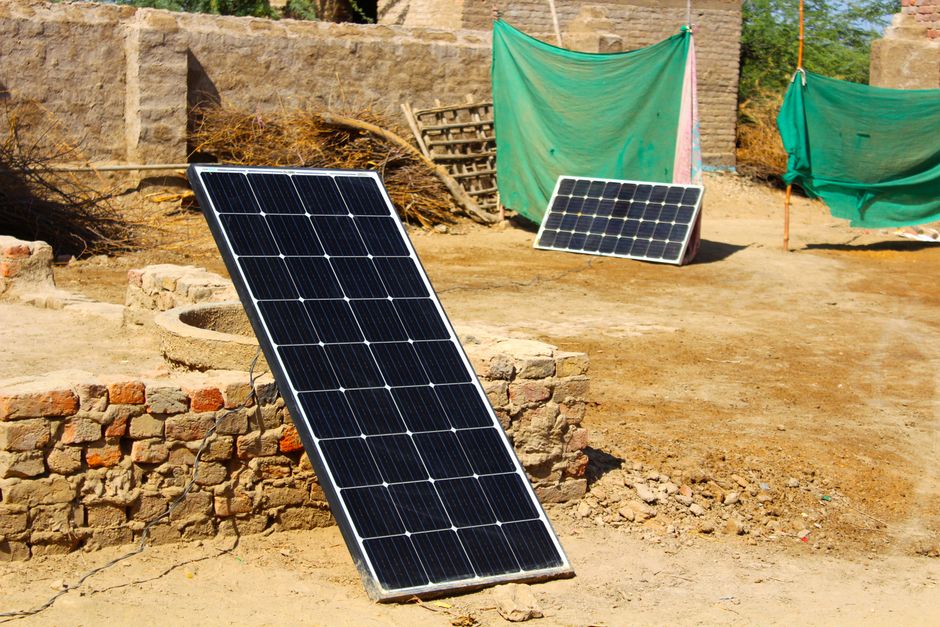
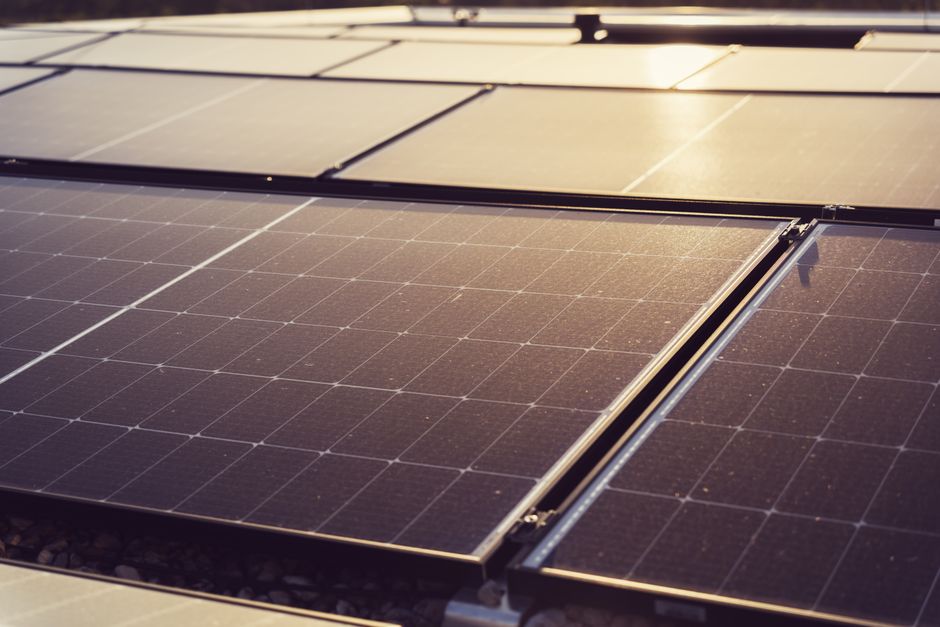
Abuja, Nigeria – The Presidential Villa, Aso Rock, is poised to achieve full energy independence, with plans to completely disengage from Nigeria's national electricity grid by March 2026. This landmark transition will see the seat of government powered entirely by a dedicated solar energy system, a move that has been under technical evaluation since December 2025 following the installation's completion in late 2025.
Why the Shift? Deciphering Aso Rock's Off-Grid Imperative
The Federal Government's decision to transition Aso Rock to an independent solar power system is driven by a multi-faceted approach aimed at enhancing operational efficiency and fiscal prudence. State House Permanent Secretary, Temitope Fashedemi, confirmed this development during the 2026 budget defense session before the Senate Committee on Special Duties. The primary objectives include significantly reducing the exorbitant operational costs associated with electricity bills and reliance on diesel generators, as well as insulating the critical government complex from the persistent instability and frequent collapses plaguing the national grid.
Prior to this initiative, the State House had accumulated substantial electricity debts, with the Abuja Electricity Distribution Company (AEDC) listing an outstanding liability of N923.87 million in February 2024, which was later reconciled to N342.35 million and subsequently paid. Furthermore, the ongoing testing phase of the solar system reportedly uncovered instances of overbilling by AEDC, including charges for electricity allegedly not supplied.
Financial & Operational Details of the Solar Mini-Grid
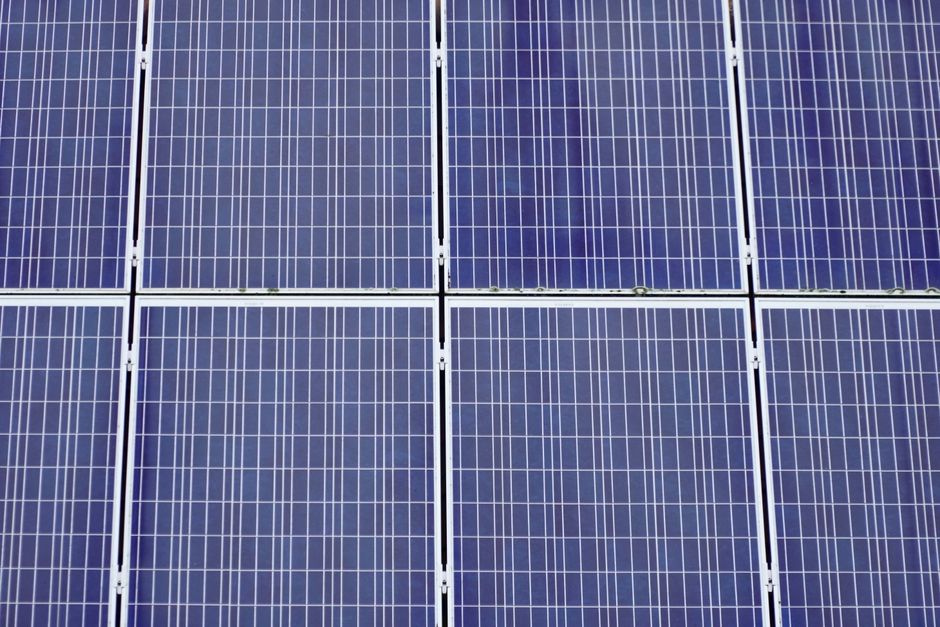
The ambitious solar mini-grid project at the Presidential Villa represents a significant investment by the Federal Government. An allocation of ₦10 billion was earmarked in the 2025 budget for the project, with an additional ₦7 billion proposed in the 2026 Appropriation Bill, bringing the total expenditure to ₦17 billion. This substantial investment is projected to deliver considerable savings in the long term by eliminating multi-billion Naira annual electricity bills and the procurement of diesel for the fleet of generators that previously served as the Villa's primary backup.
A successful pilot program at the State House Medical Centre provides a tangible proof of concept. Since its transition to solar infrastructure in May 2025, the medical facility has operated entirely without generator power, with only about three percent of its energy needs briefly supplemented from AEDC in the early months.
Broader Implications and the Nigerian Energy Landscape
While hailed by some as a practical step towards cost efficiency, sustainability, and a leadership example in renewable energy adoption, Aso Rock's exit from the national grid has sparked considerable public debate. Critics, including former presidential candidate Peter Obi, argue that the move signals a lack of confidence in the government's ability to fix Nigeria's broader electricity challenges and creates a significant disconnect between the nation's leadership and the millions of Nigerians who continue to grapple with an unstable and expensive national power network.
Nigeria's power sector continues to face deep structural challenges. As of February 2026, national output still fluctuates between 3,000 and 5,000MW, despite an installed generation capacity estimated at 13,000 megawatts. According to World Bank data, 38.8% of the Nigerian population still lacked access to electricity in 2023. This context amplifies the perception that while the Presidency secures its own power autonomy, ordinary citizens remain tethered to a failing system. The government, however, maintains that this move aligns with its broader Energy Transition Plan (ETP), which aims for net-zero emissions by 2060 and includes initiatives like a $750 million solar program to deploy 1,350 solar-powered mini-grids nationwide.